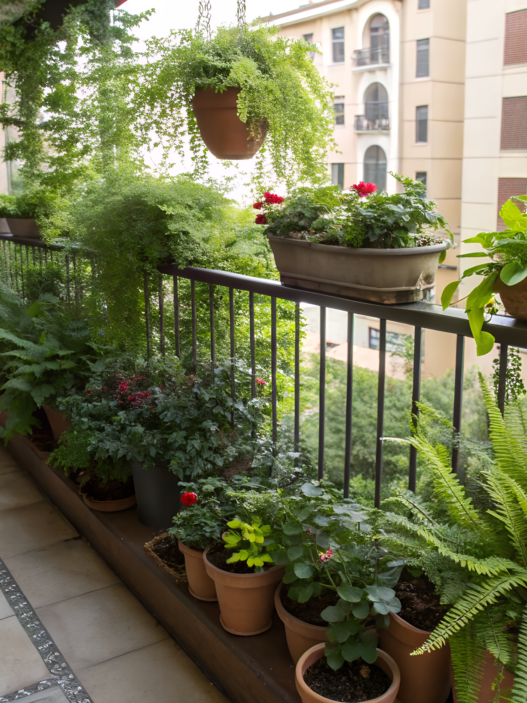
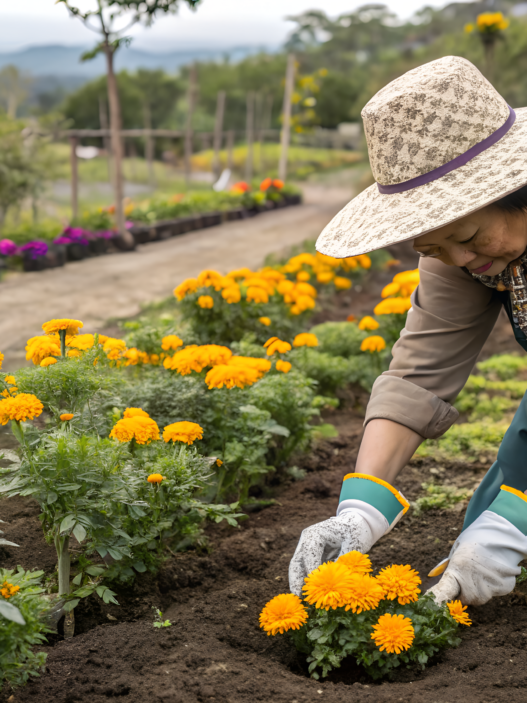
It often feels like creating a garden is some kind of never-ending project. But over time, I realized something important — a garden doesn’t need to be built in one season. It grows out of small things. Out of tiny decisions that suddenly come to mind and turn out beautifully once brought to life.
This list is about exactly those kinds of ideas — simple, affordable, sometimes even spontaneous ones. Nothing complicated, no professional tools. Just a bit of imagination, a wish to make things beautiful, and love for your home.
You’ll see how quickly your yard transforms. We tried all these ideas ourselves — with mistakes, with joy, with wins and fails. And now, we’re sharing them with you.
1. Vertical Herb Wall for Small Spaces

A vertical herb garden doesn’t just save space — it adds greenery, fragrance, and life to any corner. Everything grows upward, taking up zero inches of precious ground.
Why a vertical garden is a perfect solution
- Space-saving. Perfect for small balconies, patios, or terraces.
- Fresh and aesthetic. A green wall looks lively and natural — like something straight from a home & garden magazine.
- Convenient. Everything’s right at hand — no need to bend down or walk to the garden.
- Easy to install. A few hooks, some pockets or boxes — and in a couple of hours, you’ve got your mini wall farm ready.
How to create a vertical garden step by step
- Choose a wall or surface. Any sunny side of the house, fence, or even an outdoor kitchen wall will work. The key is at least 6 hours of direct sunlight per day. If the area is partially shaded, go for herbs that can handle it, like parsley or mint.
- Prepare the base. There are tons of ways to build a vertical garden. You can use a wooden pallet (yes, that same one you see behind stores!), hanging fabric pockets, or modular plastic panels.
We used Vertical Garden Planter Wall Pockets — lightweight, breathable, and affordable. Each pocket weighs under 2 lbs (around 900 g) but holds several kilos of soil. - Fill the planters with soil and add plants. For vertical gardens, use light but nutrient-rich soil. A universal mix with coconut coir or perlite works best — it retains moisture without overloading the wall. We plant herbs more tightly than in regular beds — about 6–8 inches (15–20 cm) apart.
- Water and care. The trickiest part is keeping the soil from drying out. Since water drains down quickly, the top rows usually dry out first. We solved this by installing a small drip irrigation system, but manual watering works too — a small watering can is perfect for precision watering.
- Enjoy the results. A vertical herb wall turns any area into a living green corner. Bees and bumblebees love ours — they swarm around the blooming thyme and basil all summer. And in the evenings, when the garden glows in the soft light, the scent of rosemary and mint is just unreal. It’s amazing how much joy a few square feet of greenery can bring.
Best herbs for a vertical garden
- Basil — loves sun and frequent watering.
- Rosemary — prefers dry and warm spots.
- Thyme — almost maintenance-free.
- Mint — fragrant and fast-growing, but better to limit its roots.
- Parsley — shade-tolerant and easy-going.
- Cilantro — adds freshness to dishes and looks beautiful when blooming.
Tip. If you want to design a mixed planting (a small polyculture), alternate herbs with different needs — they’ll support each other just like good neighbors do.
And if it seems like you don’t have enough space — just look at your wall and imagine how much could grow there. Sometimes, the best garden is the one that grows upward, not outward.
2. Low-Cost Container Vegetable Garden

For several years now, we’ve been harvesting lettuce, radishes, carrots, and even tomatoes — all grown in containers. And honestly, we didn’t believe at first that you could grow a decent crop in buckets, boxes, or old pots. But it works. And how well it works!
A container garden is a perfect solution if you rent your home, have limited space, or simply want to grow something without digging and building raised beds. The key is choosing the right containers, soil, and plants.
Why a container garden is so convenient
- Low cost. You can use whatever you have on hand — old buckets, crates, or plastic bins.
- Full control. You decide where your plants grow — in the sun, in shade, or even on the porch.
- Mobility. You can move containers or bring them into the greenhouse whenever you need to.
- Fewer weeds. Container soil stays “clean,” without random seeds or roots.
What to use as containers
The main rule is depth and drainage. Almost any plant can grow in a container if its roots have enough space and there are holes for water to drain.
- For greens and lettuce — choose containers at least 6–8 inches deep (15–20 cm).
- For carrots, radishes, or onions — at least 10–12 inches (25–30 cm).
- For tomatoes, peppers, and eggplants — no less than 5 gallons (about 19 liters).
We love using VIVOSUN Fabric Grow Bags — lightweight, breathable, and surprisingly durable. They hold moisture well and make transplanting easy.
Soil and fertilizers
Never use regular garden soil — it’s too dense for containers. Go for a light mix: compost + coconut coir + perlite or vermiculite. This keeps air and moisture circulating, without turning the container into a swamp.
Tip. Add a bit of slow-release organic fertilizer. We mix it in once a month, and the plants take off like crazy.
What you can grow
Containers are perfect for:
- Lettuce, spinach, and arugula
- Carrots and radishes
- Cherry tomatoes
- Peppers
- Cabbage and broccoli
- Green onions, garlic, and dill
One year we even planted zucchini in a large plastic bin — and ended up with a mini jungle! But for beginners, it’s better to start with greens and herbs — they’re forgiving and grow fast.
Watering and care
Containers dry out faster than garden beds. Check the soil daily — if the top layer feels dry, it’s time to water. We use a simple hose spray nozzle to avoid washing the soil away. Adding mulch, like straw or wood chips, helps retain moisture and keeps everything tidy.
During hot spells, we sometimes move pots into the shade or set them in shallow trays of water to keep the roots cool. It’s such a simple trick — but it really works.
A small design hack
If you want your setup to look neat, group containers by color or size. We created a small “veggie corner” on our porch, and now it looks like a tiny farmer’s market. Each box has a label, and next to the tomato pot stands a little sign that says Cherry Queens — Lindy just couldn’t resist naming them.
If you’ve got even one bucket, box, or old pot, that’s already your first step toward a real garden. Start with one — and watch how life begins to grow.
3. Reclaimed Wood Planter Bench

If you’ve got some old boards, pallets, or wood scraps left from past projects — don’t rush to throw them away. They can easily become a true centerpiece of your yard, where nasturtiums, basil, and lavender bloom side by side.
Why it’s worth building a planter bench
- Budget-friendly. You’ll use what you already have — old wood, nails, leftover paint.
- Eco-conscious. Reclaimed wood gives new life to old materials.
- Functional. You can sit, relax, and admire your plants all at once.
- Atmospheric. Natural wood adds warmth even to the simplest outdoor space.
What you’ll need
- Boards made of reclaimed wood (preferably softwood, 1–2 inches thick / 2.5–5 cm)
- Screws or nails
- Drill
- Waterproof wood oil or outdoor sealant
- Landscape fabric or a plastic liner for the planter section
- Soil and plants
We used leftover fence boards and a few pallet planks. At first, we thought it would look uneven and rustic, but after a light sanding and a coat of oil, the wood looked absolutely stunning. We still love how it turned out.
How to build your planter bench
- Decide on the size. The standard bench length is about 5 feet (150 cm) with a height of 18–20 inches (45–50 cm). Leave a planter section on one side or in the middle — about 12 inches (30 cm) wide.
- Build the frame. Start with the base and legs, then attach the seat. For stability, add diagonal braces. If using old boards, remove nails and smooth the edges.
- Install the planter section. Line the inside with landscape fabric to keep moisture away from the wood. You can also insert a plastic container — lightweight and perfect for holding water.
- Finish the wood. Apply an outdoor wood oil or sealer — it brings out the grain, gives a soft sheen, and protects the surface from sun and rain.
- Add soil and plants. Fill the planter with a light potting mix to avoid adding too much weight. We planted a mix of lavender, thyme, nasturtiums, and petunias. They’re not only beautiful but also naturally repel pests.
Where to place your bench
The best spot is along a garden path or in a quiet corner. If you place it near herbs or fragrant flowers, the scent will be especially noticeable. We set ours under an apple tree, and in summer the smell of lavender mixes with ripe apples — it’s simply perfect.
A few extra tips from experience
- Add soft outdoor cushions to make it more comfortable to sit on.
- Place solar lanterns on both sides for a cozy evening glow.
- For a vintage look, lightly brush the wood with a wire brush — the effect is incredible.
A reclaimed wood planter bench is a project that combines beauty, function, and sustainability. You don’t need to buy expensive furniture — sometimes, the best design is already waiting for you in the shed.
4. Mason Jar Herb Windowsill

A collection of herbs on a kitchen windowsill in simple Mason jars — sounds charming, right?
This method doesn’t require any gardening experience or big expenses. Mason jars cost next to nothing, look adorable, and your herbs will grow all year long — especially if your window faces south or southeast.
Why Mason jars are the perfect choice
- Beautiful look. Glass lets in light and highlights the greenery — like tiny nature showcases.
- Easy to find. Mason jars are everywhere — or just reuse some from homemade jams.
- Budget-friendly. Minimal spending, maximum benefit.
- Easy to maintain. Jars are simple to clean and move around.
We started with three jars — basil, parsley, and mint. Now there are eight, and the kitchen looks like a mini garden.
What you’ll need
- 3–5 Mason jars (16 oz / about 470 ml each)
- Small stones or pebbles for drainage
- Light potting soil for herbs
- Seeds or small starter plants
- A small watering can
- Optional: decorative labels or string for tying the jars
How to do it
- Prepare the drainage. Since jars don’t have holes, make a bottom layer of pebbles (about 1 inch / 2.5 cm). This prevents water from stagnating.
- Add soil. Use a light, well-draining mix — ideally with perlite or coconut coir. The soil should stay slightly moist, never soggy.
- Plant your herbs. You can start from seeds, but if you want results faster, buy young plants. Choose a mix of herbs for variety in scent — basil, rosemary, parsley, thyme, mint, oregano.
- Find the right spot. A windowsill with 4–6 hours of sunlight per day is perfect. If there’s not enough natural light, use a small LED grow lamp — it’s energy-efficient and stays cool.
- Water wisely. The main mistake people make is overwatering. Check the soil with your finger — if the top ½ inch (1 cm) is dry, it’s time to water. A small indoor watering can works great for this.
Best herbs to grow in Mason jars
- Basil. Loves warmth and sun.
- Parsley. Tolerates partial shade well.
- Mint. Grows fast but needs regular trimming.
- Thyme. Low-maintenance, aromatic, and perfect for vegetable dishes.
- Rosemary. Needs good drainage and moderate watering.
Tip. Wrap your jars with twine or paint the bottom part with matte paint. It adds a stylish touch without being over the top.
Now our kitchen window is always green and smells like summer — even in the middle of winter. And yes, I always have fresh basil for homemade sauce. Sometimes happiness really is just a jar, a handful of soil, and a ray of sunlight.
5. DIY Bird Bath From Old Bowls

One day, I just left an old bowl filled with water under our apple tree — and by the next morning, sparrows were splashing in it. That’s how the idea for a proper bird bath was born — something simple, beautiful, and durable.
Why it’s worth making one
- It’s easy and almost free. You can use what you already have — old bowls, plates, or even pot lids.
- It attracts life. Birds, butterflies, and even bees will come to visit.
- It adds charm to the garden. Especially if you use vintage dishes with patterns or worn enamel.
- It helps nature. On hot days, a bowl of water becomes a true lifeline for wild birds.
What you’ll need
- 1–2 old bowls or plates (12–16 inches / 30–40 cm in diameter)
- A small stand — use a stump, stone, or old candle holder
- Pebbles or marble chips
- Clean water
- Optional: a bit of cement if you want to secure the structure
We used an old enamel bowl that belonged to my grandmother. A bit of rust, a few chips — but that’s where the charm is. The beauty of it is in its imperfection and character.
How to make a bird bath
- Find the right bowl or plate. Almost any dish will do — it just needs to be wide and shallow, around 2–3 inches deep (5–8 cm). Birds need to stand comfortably without submerging completely.
- Create the stand. You can place the bowl directly on the ground, but raising it about 12–18 inches (30–45 cm) makes it safer for birds. We used the base of an old metal lamp, cut it down, and buried it slightly in the soil — looked unusual but super sturdy.
- Add texture. Put a few pebbles or glass beads at the bottom — it’s not only pretty but also keeps birds from slipping. We added white marble chips, and when the sun hits the water in the morning, the whole bowl sparkles.
- Fill it with water. Use clean water only — no additives. Replace it every 2–3 days to prevent mosquitoes. If water evaporates quickly, place the bath in partial shade.
- Decorate the area around it. Add some low plants like hostas, lavender, or grasses — they give birds a sense of cover and safety. We planted tansy and sage nearby; their scent keeps insects away without bothering the birds.
Extra tips
- To keep the water cool longer, set the bird bath on a rock or gravel.
- In winter, simply flip the bowl upside down so it doesn’t crack from ice.
Now every morning starts with a concert in our backyard — sparrows, finches, and chickadees all taking turns. Sometimes it even feels like they come not just for the water, but for the company.
6. Colorful Pebble Garden Path

We wanted a garden path that wouldn’t look like everyone else’s — no dull gray slabs, no boring uniformity. Something bright, alive, and full of character. So, we decided to paint the pebbles! And honestly, it turned out to be one of those experiments that completely change the atmosphere of the garden.
Why it’s worth making a colorful pebble path
- It’s cheap. All you need is some pebbles, paint, and patience.
- It’s unique. No one will ever have the same design.
- It’s durable. Pebbles won’t fade if you use the right paint.
- It brings joy. Even on a cloudy day, the path looks sunny.
What you’ll need
- Pebbles (preferably smooth, medium-sized — 1–3 inches / 2.5–7.5 cm)
- Acrylic or outdoor paint for stone
- Paintbrushes of various sizes
- Clear outdoor acrylic sealant
- Gloves
- Newspaper or plastic sheet to protect surfaces
We used regular river pebbles we found nearby and mixed in a few store-bought ones. They were perfectly smooth and round — painting them was pure fun.
How to make your colorful garden path
- Prepare the stones. Wash and dry the pebbles thoroughly — dust or dirt keeps paint from sticking. If the stones are large, lightly sand the tops for smoother coverage.
- Pick your color palette. I chose colors that reminded me of summer in the garden: mint, mustard, terracotta, and a hint of turquoise. You can keep everything in one tone or create a gradient rainbow — just don’t be afraid to mix things up.
- Paint the pebbles. Lay them on newspaper and start creating. You can paint them fully or add patterns — dots, stripes, or leaves. We even drew a few bees and butterflies, and guests always smile when they spot them.
Once dry, coat the stones with Krylon UV-Resistant Clear Acrylic Coating to protect the colors from moisture and sun. - Arrange the stones. Lay your path on gravel, sand, or between paving slabs. We went with a freeform design, slightly curved instead of straight, to keep it natural-looking. You can also sink the pebbles slightly into the soil for stability.
- Add accents. Plant low-growing herbs or ground covers like thyme, sedum, or mint along the sides. They’ll fill the gaps and make the path feel alive. We also added small solar lights along the edge — at night, the path glows with a soft golden light.
Small details that make a big difference
- Avoid oil-based paints — they crack in the sun.
- For durability, apply two coats of sealant.
- Add large white stones at the beginning and end to create a sense of “entrance.”
- After rain, the pebbles look especially beautiful — shiny and glass-like.
Now, when I walk down that path in the morning with a cup of coffee, even the grayest days feel brighter. And every time I do, I remember how Lindy and I laughed while painting stones on the old backyard table, arguing over whose color “fit better.”
Maybe that’s what makes a garden truly yours — those little imperfect moments that live in it.
7. Hanging Succulent Planters

A couple of years ago, when our porch had absolutely no space left for new plants, Lindy and I made our first hanging succulent planters. Now these little green globes sway in the breeze — like living ornaments.
Why hanging succulents are simply genius
- Low maintenance. Water once a week — that’s it.
- Space-saving. You can hang them above a desk, in a pergola, or even by a kitchen window.
- Decorative. They look great anywhere — balcony, garden, or indoors.
- Perfect for beginners. Succulents thrive even where other plants struggle.
What you’ll need
- Small pots or planters (up to 6 inches / 15 cm in diameter)
- Strong rope, string, or chain
- Well-draining succulent or cactus soil mix
- A few plants — echeveria, sedum, haworthia, or jade
- Pebbles or small rocks for drainage
- A small watering can
We used ceramic pots with simple designs and sturdy jute rope for hanging — the mix of textures gives them that natural, relaxed look.
How to assemble your hanging planters
- Prepare the base. If you’re using ceramic pots, make sure they have a drainage hole. Add a 1-inch (2.5 cm) layer of pebbles or clay pellets at the bottom.
- Add the soil. Succulents hate dense soil. Use a light, sandy cactus mix — it should dry out quickly after watering.
- Plant your succulents. Choose 2–3 varieties with different shapes and colors. Echeveria’s rosettes always look striking, while sedum or haworthia add texture and fullness. Plant them close together — it makes the arrangement look lush and intentional.
- Hang the planters. Use sturdy rope, cord, or a small chain. We hung several at different lengths to create a cascading look — it’s stunning! Just make sure they’re high enough to stay safe from curious cats.
- Water and care. The golden rule — less is more. Succulents prefer a bit of drought to soggy roots. Water only when the soil is completely dry.
Inspiration ideas
- Use coconut fiber planters or metal baskets for a more natural style.
- Create monochrome compositions — all gray-green succulents look especially elegant.
- Add small decorative touches — pebbles, mini statues, or bits of bark.
- If you hang them outdoors, place them under a roof or pergola — succulents don’t like heavy rain.
Now our hanging planters line the pergola, gently moving with every breeze. Just some rope, a pot, and a few stubborn little plants — and somehow, you get a whole world hanging in the air.
8. Outdoor Pallet Lounge Area

Building your own zone for evening chats and summer dinners is easy with pallets. We found a couple from our neighbors, brought a few more from a farm warehouse — and literally in one weekend, the patio turned into a cozy place to relax. Fast, budget-friendly, and DIY.
Why a pallet lounge area is worth making
- It’s cheap. You can often find free pallets — many warehouses give them away.
- It’s flexible. The structure can be disassembled, moved, repainted — all by yourself.
- It’s eco-friendly. Reusing wood is always a plus.
- It’s cozy. Soft cushions, string lights, and a bit of greenery — and it looks like Pinterest.
What you’ll need
- 6–10 wooden pallets (depending on the size of the area)
- Sandpaper or a sander
- Outdoor paint or wood oil
- Cushions and foam/mattress pads
- Screws, drill
- Optional — casters for mobility
We used standard pallets 40×48 inches (102×122 cm). For the seats, we connected two in length, and for the backrests, we used vertically installed halves.
How to assemble your lounge step by step
- Prep the pallets. Inspect each board, remove nails, sand splinters. If the wood is very old, treat it with an outdoor wood preservative.
- Create the base. Place pallets side by side and level them. We stacked them in two layers so the seats are higher (about 16 inches / 40 cm).
- Add the backrests. Fix vertical pallets behind the seats at a slight angle. Use metal brackets or long screws for stability.
- Paint and protect. Use outdoor wood oil — it highlights the grain and protects from moisture.
- Add cushions and textiles. We found dense cushions in a gray-green palette and threw a couple of blankets on top. For lighting, we bought Outdoor String Lights — in the evenings, the patio glows softly and everything feels a bit more special.
Small details that change everything
- Add a small table from leftover boards — perfect for coffee or a glass of wine.
- If you want to “finish the vibe,” place a couple of pots with herbs or flowers around.
- Put down a jute rug — it ties the space together and makes it feel visually warmer.
- Add casters to the bottom layer — the whole zone becomes mobile and easy to rearrange.
We spend evenings here, listen to the rain, discuss plans, and simply rest. All of this — from old pallets, a couple of cans of paint, and the desire to create our own spot. You don’t need designer furniture to make a garden stylish. The main thing is to put a bit of soul into it.
9. Solar Light Garden Stakes

If you want your yard or garden to come alive in the evenings, solar garden stakes are the easiest and most affordable way to do it — no wiring, no fuss.
Why solar lights are such a great idea
- No electricity needed. They work autonomously — set them up and forget about them.
- Energy-saving. They charge from the sun, no electric bills involved.
- Beautiful garden glow. At night, plants, pathways, and flower beds gain depth and warmth.
- Safe and simple. No cables, low voltage — completely worry-free.
What you’ll need
- 6–12 solar-powered garden lights
- An open area with plenty of direct sunlight
- A little patience to find the perfect placement
We started with an affordable set of Gigalumi Solar Pathway Lights — sturdy metal design, warm glow, and still shining bright after two rainy winters.
How to install solar lights
- Choose the spots. Take a walk through your garden in the evening and notice where you’d like more light. We installed ours along the path to the greenhouse and around the pallet lounge area — it completely changed the mood at night.
- Insert into the ground. No tools needed — just stick the stakes into the soil. About 4–6 inches deep (10–15 cm) is enough to keep them steady.
- Charge them. Let them soak up sunlight for a full day before first use — the built-in batteries need to charge completely to shine through the night.
- Add some creative touches. Combine the lights with plants — highlight lavender, alliums, or ornamental grasses. We even placed a couple near the bird bath, and the reflections in the water look mesmerizing at dusk.
How to choose the right type of light
- For pathways — choose soft, directional lights.
- For beds and trees — go for adjustable spotlights.
- For decor — try lantern-shaped or glass globe models, like the BEAU JARDIN Solar Lights Glass Globe Set, which make your garden feel almost magical after rain.
A few maintenance tips
- Wipe solar panels once a month — dust and pollen reduce brightness.
- Bring lights indoors during severe frost.
- If they dim over time, replace the AA Ni-MH batteries.
- Avoid placing them near streetlights — they need darkness to turn on automatically.
It turns out incredibly warm and inviting. Every evening, as the garden lights up one lamp at a time, I catch myself thinking: this is what happens when you add a little light where there used to be none.
10. Mini Water Fountain Corner

For us, the finishing touch to our garden was creating a small water corner. Tiny, but full of life — the sound of water, sunlight reflections, and gentle movement in the air. Even bees come by to sip. Now it’s, without exaggeration, the most peaceful spot in our whole yard.
Why a mini fountain is a great idea
- Creates atmosphere. The soft sound of water relaxes you and brings the garden to life.
- No wiring needed. Modern solar-powered models work perfectly on their own.
- Perfect for small spaces. All you need is a corner and a bit of creativity.
- Attracts birds and butterflies. Adds motion, sound, and a sense of balance.
We made our first fountain from an old clay pot and a bowl — it took just a couple of hours and absolutely no electricity.
What you’ll need
- A small bowl, pot, or ceramic container (16–20 inches / 40–50 cm in diameter)
- Pebbles or stones
- Water
- A small solar-powered pump (like the Solatec Solar Fountain Pump)
- Optional — lighting or decorative figures
How to make your fountain step by step
- Find the right spot. Choose a place that gets at least 5–6 hours of sunlight daily — that way, the solar pump will run steadily. Ours sits on the south side of the terrace, near the lavender.
- Prepare the container. The bowl should be deep enough (about 8 inches / 20 cm) so the pump is fully submerged. Add a bit of gravel at the bottom for weight and stability.
- Install the pump. Solar pumps are a brilliant invention. Just place it in the center, turn the panel toward the sun, and within a minute, the water starts to flow. We use one with four nozzles — it lets us adjust the water height and shape.
- Decorate the area. Surround the bowl with stones, shells, or broken pottery. The water will gently flow between them. For extra charm, plant mint or water iris nearby — they love the moisture.
- Maintenance. Change the water once a week and wipe the solar panel clean of dust. In winter, simply remove the pump — the bowl alone still looks beautiful as part of the landscape.
A bit of inspiration
- For a natural look, use an old stone pot or a wooden barrel.
- For modern gardens, go with smooth concrete bowls and black pebbles — minimalism always works.
- Add a small solar light nearby — the water under its glow looks almost like glass at night.
Now this fountain has become our calm zone. In summer, we place a chair next to it, sip coffee, and just listen — to the dripping water, to the birds answering each other. Sometimes it feels like everything slows down, and the garden breathes with you.
The Power of Your Garden
Every garden grows with us — reflecting our moods, habits, and character. These 10 ideas aren’t just about design or trends. I often catch myself thinking that everything here grew not from plans, but from moments. From those small “let’s just try” ideas.
Maybe that’s the secret of a good garden — it doesn’t need to be perfect. It just needs to live.Which idea speaks to you the most? What would you try first? I’d truly love to hear how your space begins to transform. And maybe later, share your story in the comments — I always read them. Somehow, it feels like not only the plants grow in those stories, but the people too.