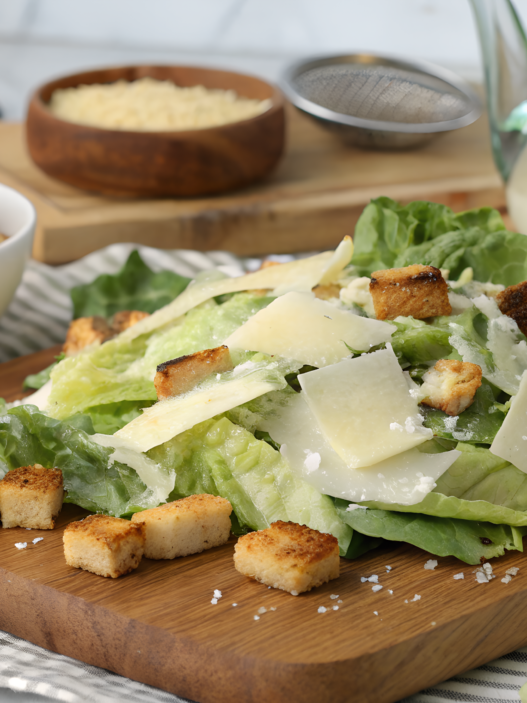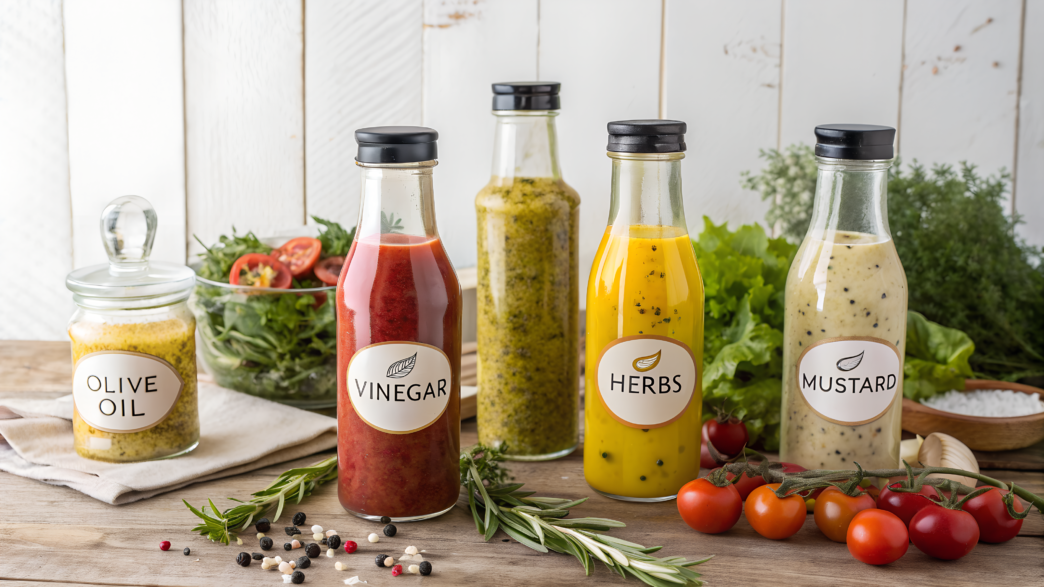
I don’t know how it is for you, but around here, salad dressing were always the thing that ruined even the best salad.
You can grow perfect cucumbers, slice fresh green onions, top it all with eggs from your own chickens — and then pour on some sticky ranch-flavored syrup with more preservatives than your shampoo. And just like that, the moment is gone.
That’s exactly why I’ve put together our favorite homemade salad dressings that really are better than store-bought.
They take 5 minutes (sometimes even less), they’re dairy-free if you want (or super creamy if that’s your thing), and they use simple ingredients you probably already have at home.
But most of all — they’re alive. Each one has its own flavor, its own story and its own mood: from warm maple-balsamic to zesty lime with cilantro.
So if you’re tired of bottles with flashy labels and the same old taste — stick around. It’s gonna be delicious.
1. Lemon basil vinaigrette with honey and Dijon
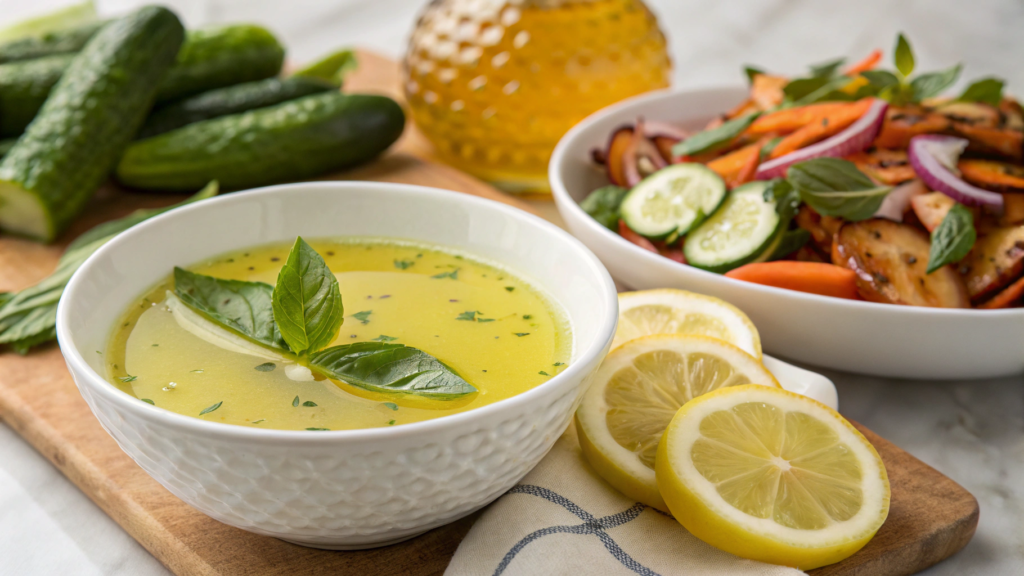
Light, aromatic, and zesty — this lemon and basil salad dressing has become a summer must-have in our kitchen. Especially with crispy cucumbers or a warm salad made of roasted carrots and onions!
The first time I made it, we had a whole forest of basil growing in the garden. And I found a jar of really good Dijon mustard in the pantry that I brought back from a trip upstate. All of it, with a splash of tangy honey, turned out unexpectedly balanced — and since then, this recipe has lived on in our kitchen every summer.
What makes this dressing special?
First, the lemon and basil create that bright, fresh base that wakes up the flavor of even the most boring salad.
Second, honey and Dijon mustard add a gentle sweetness and just the right kick — not overpowering, but smooth and subtle.
And finally, cold-pressed olive oil brings it all together with a soft texture and depth.
Ingredients:
- ¼ cup (60 ml) fresh lemon juice
- 1 tsp lemon zest (optional, but I highly recommend it!)
- 1 tbsp honey (or swap for maple syrup for a vegan version)
- 1 tbsp Dijon mustard
- ½ cup (120 ml) extra virgin olive oil
- ¼ cup (about 10 g) fresh basil leaves, finely chopped
- A pinch of sea salt and freshly cracked black pepper
How to make it:
- In a small bowl, mix the lemon juice, honey, and mustard. Whisk well until the honey is fully dissolved.
- Slowly pour in the olive oil, whisking constantly — this will help the dressing emulsify and stay smooth instead of separating.
- Add the chopped basil, lemon zest, and season with salt and pepper.
- Transfer the dressing to a glass jar with a lid and refrigerate it for at least 30 minutes — this gives the flavor time to deepen.
Keeps in the fridge for up to 5 days. Shake the jar before each use — basil likes to float to the top.
When to use lemon basil vinaigrette
At our place, this salad dressing truly shines in a warm roasted carrot and onion salad, cooked right in a cast iron skillet and topped with a bit of crumbled feta. Or in a salad with arugula, avocado, and orange slices — seriously, the flavor combo is wild.
On a picnic? Drizzle it over boiled baby potatoes and toss in some chopped green onion. It’s so good, no one will even notice there’s no mayo.
It’s also a great marinade for chicken. Especially if you’re grilling — the lemon tenderizes the meat, and the basil gives it that cozy, homey aroma, like you grew up somewhere in southern France (though in reality, you were just picking herbs by the chicken coop).
2. Creamy avocado lime dressing (dairy-free)
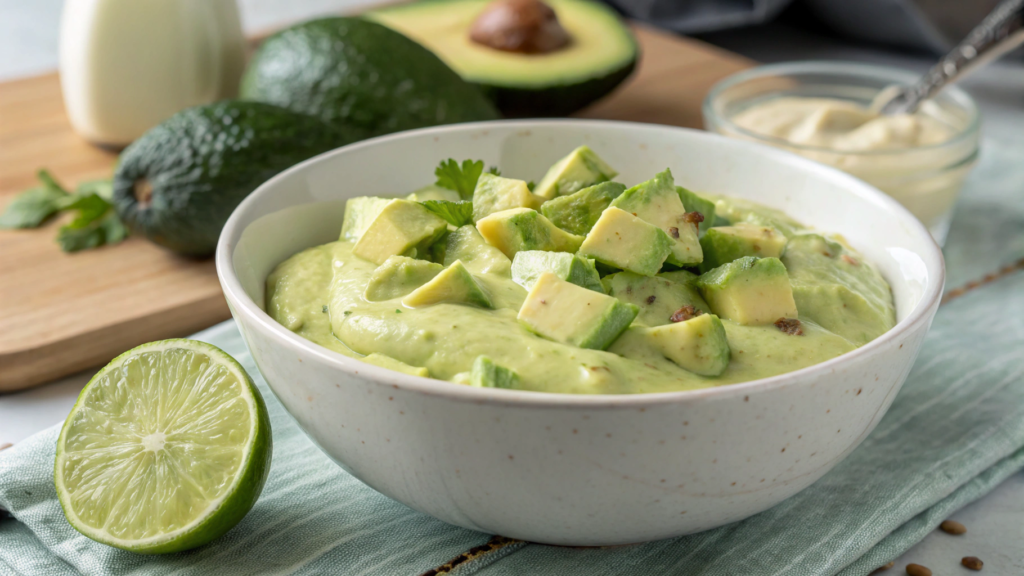
When the temperature climbs over 90°F and you’re trying to figure out what to eat without turning on the oven or stove — that’s when this avocado lime dressing saves the day.
It’s creamy, slightly citrusy, with a smooth, velvety texture — and completely dairy-free. We fell in love with this dressing from the very first avocado. At first, we just poured it over a quinoa salad. Then we started adding it to burritos, bowls, grilled corn. And one time I froze the leftovers — and wow, even after thawing, it was just as delicious!
Why is it a summer lifesaver?
First, it cools you down. Avocado and lime give it that soft, silky richness and light tang that pairs beautifully with spicy food.
Second, it’s filling but completely free of dairy and oil — not a single drop.
And it turns any vegetable salad into a real meal, not just a side dish.
Ingredients:
- 1 ripe avocado (soft, but not overripe)
- Juice of 1 lime (about 2 tbsp / 30 ml)
- ¼ cup (60 ml) water (or a bit more if you want it thinner)
- 1 clove garlic
- 2 tbsp fresh cilantro (or swap for parsley)
- 1 tsp apple cider vinegar
- ½ tsp salt
- A pinch of ground chili or cayenne pepper (to taste)
- Optional: 1 tsp maple syrup — if the lime is too tart
How to make this creamy sauce:
- Cut the avocado, scoop out the flesh, and place it in a blender.
- Add the lime juice, water, garlic, herbs, vinegar, and spices — all at once.
- Blend until completely smooth. You want a creamy, silky texture, almost like thick sour cream.
- Taste it! If needed, add more lime or salt — the flavor should be balanced: soft, fresh, with a bit of a kick.
Store in the fridge for up to 3 days in a tightly sealed jar. It may darken a little — totally normal for avocado dressing. Just stir before serving.
We love eating this dressing with grilled corn. Just slice off the kernels, add a few slivers of red onion, some black beans — and drizzle this dressing on top. Done. Dinner is served.
Or in bowls: cooked quinoa, roasted sweet potato chunks, a few salad leaves, chickpeas, and a spoonful of this dressing. It’s not just filling, it’s good for you — avocado is rich in healthy fats, and lime helps your body absorb iron from legumes (American Journal of Clinical Nutrition).
And it’s great just as a dip for chickpea chips. I once made a whole bowl of it, and Lindy and I ate it all before dinner even started.
If you’re looking for a powerful blender that can handle avocado in one go, I use the Nutribullet Pro 900 Watt Personal Blender — it’s small but mighty. Especially when you don’t want to drag out the whole food processor.
3. Honey Dijon yogurt salad dressing
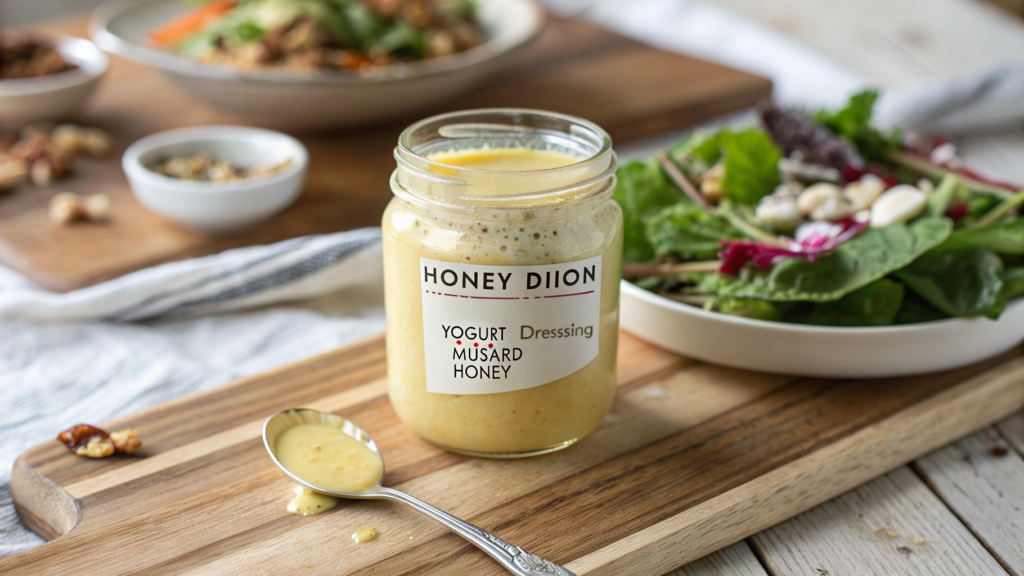
This yogurt dressing with mustard is so good, we now keep a jar of it in the fridge like a must-have veggie remedy.
Honey Dijon yogurt salad dressing brings together creaminess, a mild kick, and honey’s sweetness all in one spoonful. And the best part? You know exactly what’s in it. No corn syrup. No “natural flavors.”
Why it beats store-bought dressings?
First, Greek yogurt gives you that same creamy texture you’re used to from store-bought dressings — but with a bonus: half the calories and triple the protein (according to USDA data).
Second, Dijon mustard and honey are a classic combo that works everywhere: from salads to sandwiches.
And lastly, it takes 2 minutes to make. Seriously, I’ve timed it.
Ingredients:
- ½ cup (120 g) Greek yogurt (2% fat works best)
- 1½ tbsp Dijon mustard
- 1½ tbsp honey
- 1 tbsp apple cider vinegar
- 1 tsp lemon juice
- ¼ tsp salt
- A pinch of freshly ground black pepper
- Optional: 1–2 tsp water if you prefer a thinner consistency
How to make it in 2 minutes:
- In a bowl, combine yogurt, mustard, honey, vinegar, and lemon juice.
- Whisk it together until smooth — no blender needed, just mix it well.
- Add salt and pepper, taste, and adjust the flavor.
- If you want a thinner texture, add a little water or even a few drops of olive oil.
Keeps in the fridge for 4–5 days. Stir before serving — yogurt may separate slightly.
Where this dressing comes in handy
First thing that comes to mind — a chicken salad. Got leftover roasted chicken breast? Shred it, add some salad greens, a few walnuts or apple slices — and this yogurt mustard dressing makes it a full meal.
On sandwiches — instead of mayo. Especially with turkey, cheese, and lettuce. Tasty and healthier.
And it’s my go-to when the kid wants “something to dip.” Instead of ketchup or heavy ranch — this homemade version is something I can feel good about.
If you, like me, always keep a good Dijon mustard on hand, I recommend Grey Poupon Dijon Mustard, 10 oz. It’s smooth but has character — not sharp or harsh like some cheaper brands.
4. Tahini lemon garlic dressing
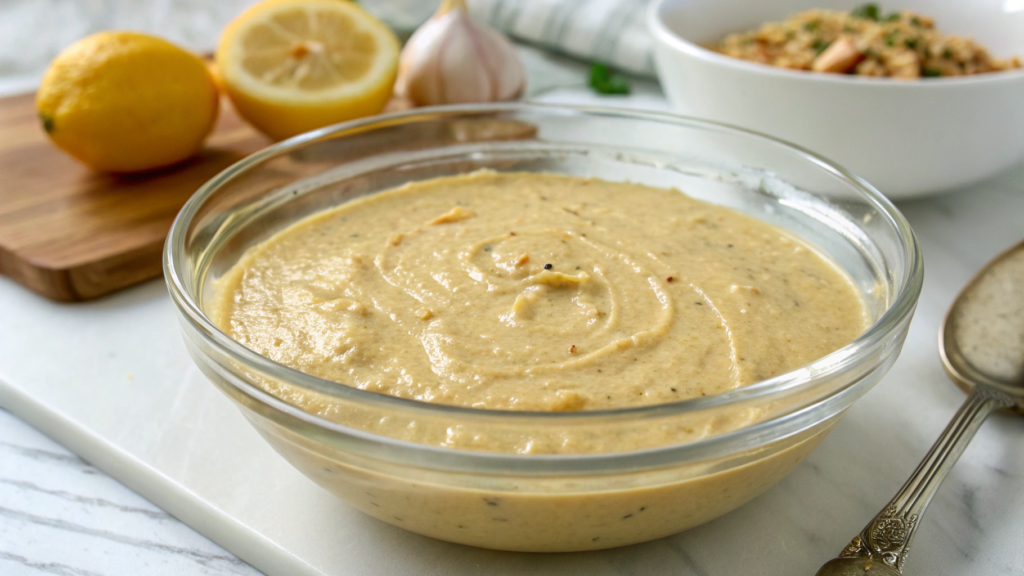
Tahini lemon garlic dressing is thick, nutty, with a hint of lemony tang and a touch of garlic. Not heavy. Complex, but without a bunch of ingredients.
I started making this dressing during a time when I couldn’t figure out why everything I cooked felt… boring. Even when the ingredients were great. Even when everything came from our own yard. The answer was texture and richness. Sometimes greens just need backup. And tahini knows how to give it — without a drop of dairy or oil.
What makes tahini so good?
Tahini is sesame seed paste, and it’s rich in calcium, magnesium, B vitamins, and healthy fats. In just 2 tablespoons, you get about 10–13% of your daily calcium needs (according to the NIH Office of Dietary Supplements).
And it adds depth and richness to dishes — like you spent way more time than you actually did.
Ingredients:
- ⅓ cup (80 ml) tahini (sesame paste)
- Juice of 1 medium lemon (about 2 tbsp / 30 ml)
- 1 small clove garlic, very finely grated
- 2–4 tbsp water (depending on how thick you want it)
- ½ tsp salt
- A pinch of ground cumin (optional)
How to make a thick but pourable dressing:
- In a small bowl, mix the tahini and lemon juice. The mixture might thicken up and seize — totally normal!
- Add the garlic, salt, and cumin if you’re using it.
- Slowly stir in the water, one tablespoon at a time, until you reach the texture you want: thick, but pourable.
- Taste and adjust the flavor — the lemon brings acidity, tahini adds weight, garlic gives it depth. You want balance.
Stores in the fridge for up to 5 days. Just give it a stir before serving.
If you want to make it spicy, you can add a drop of jalapeño oil or a bit of smoked paprika.
Where does it shine the most?
In grain bowls, without a doubt. Warm quinoa, roasted chickpeas, baked squash, a few pomegranate seeds on top — and a spoonful of this tahini salad dressing. Tastes like something from a fancy vegan café… except you’re in your own kitchen, surrounded by your garden.
It’s also a perfect sauce for grilled veggies, especially eggplant and peppers. And, of course, it’s amazing as a dip for crusty bread or pita — just dunk and enjoy.
If you’re looking for a quality tahini that’s rich and not bitter, I recommend Soom Premium Tahini, 11oz.
5. Spicy jalapeño cilantro vinaigrette
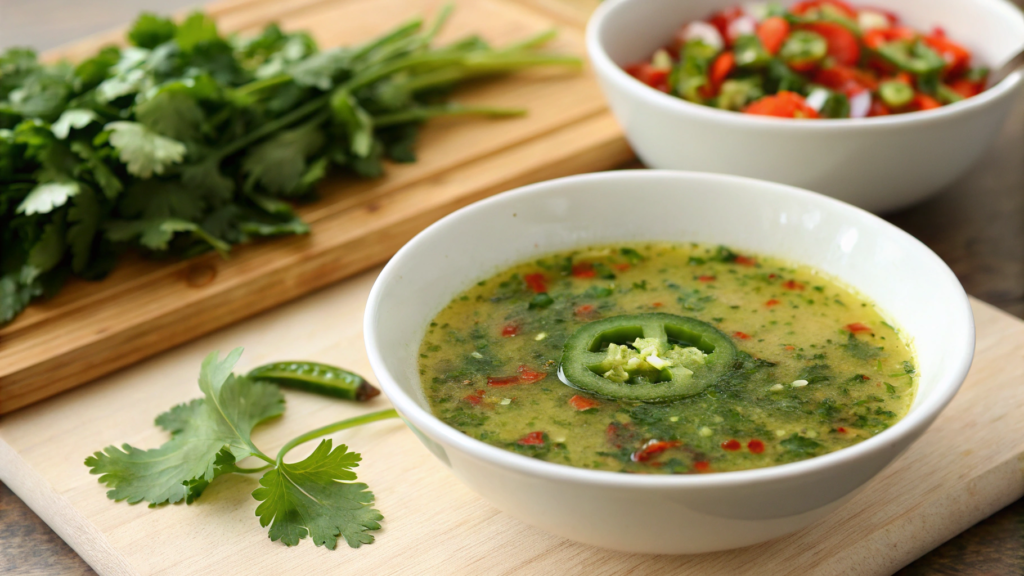
Sometimes greens just hit you straight in the taste buds. The heat, the acidity, the herbal brightness — that’s exactly why I love this spicy jalapeño cilantro vinaigrette. Especially in summer, when everything should be eaten cold and crunchy.
At first, we made it as a joke. Lindy said, “Make something that wakes up the salad.” Ten minutes later, she was dipping roasted corn into it and going, “Wow, this really wakes you up.” Since then, this sauce has made it into our list of top-ten homemade staples.
What makes it different from the rest?
First, it’s vegan, but with a bright, full-bodied flavor.
Second, it combines citrus, heat, and fat in a way that works with almost anything: green salads, roasted veggies, grain bowls, baked potatoes, rice… the list goes on.
And of course, cilantro and jalapeño — that combo is never boring.
Ingredients:
- 1 fresh jalapeño, seeded (or leave the seeds in for more heat)
- 1 cup packed fresh cilantro
- 2 tbsp fresh lime juice
- 1 tbsp apple cider vinegar
- 1 tsp honey or maple syrup
- 1 small garlic clove
- ¼ cup (60 ml) olive oil
- ⅛ tsp salt
- A splash of water (if needed, to thin the salad dressing)
How to make it:
- In a blender or food processor, add the jalapeño, cilantro, garlic, lime juice, vinegar, and honey.
- Blend into a smooth purée.
- While blending, slowly drizzle in the olive oil until the dressing emulsifies nicely.
- Add salt, taste, and adjust — add water if you’d like a thinner consistency.
Stores for up to 4 days in a tightly sealed jar. Just give it a shake before serving — the herbs may settle a little.
Where to use it?
This is where the magic’s in the details. Picture a bowl of warm brown rice, topped with black beans, grilled corn, fresh tomatoes, slices of avocado… and then a drizzle of this spicy green salad dressing.
And just like that — it’s not just a bowl, it’s food that warms the soul. Sometimes I add it straight into tacos. Or — my favorite guilty pleasure — pour it over crispy potatoes and sprinkle cheddar on top. Wild, but so, so good.
You can also freeze fresh jalapeños ahead of time — just toss the whole peppers in a bag and keep them in the freezer. When you need one, grab, slice, done. And if you want a more mellow flavor without too much heat, try using pickled jalapeños — they’re tangy and flavorful without overpowering the dish.
6. Balsamic shallot vinaigrette with maple syrup
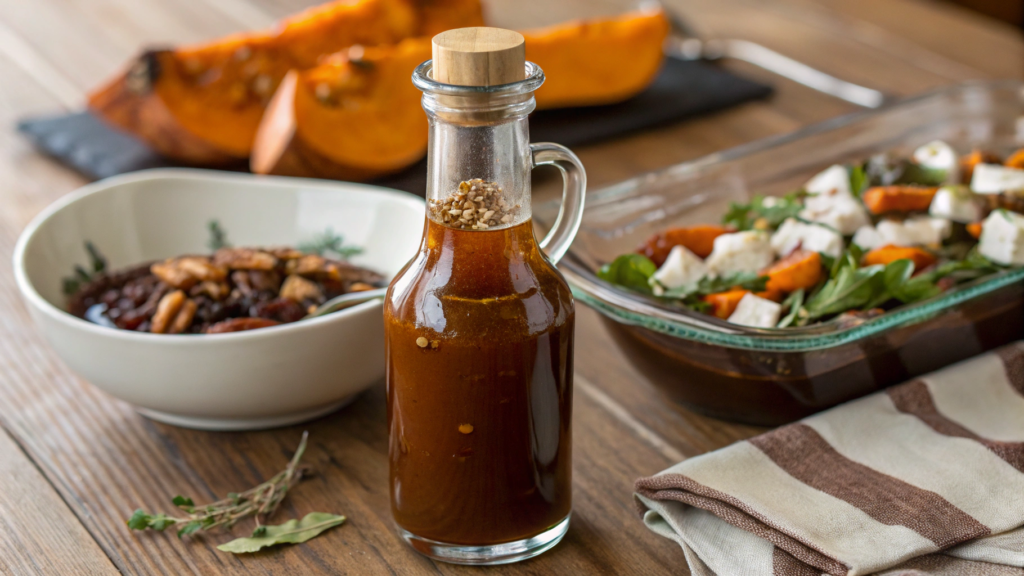
Balsamic shallot vinaigrette with maple syrup was born in October. It was one of those evenings — the house smelled like toasted nuts and rosemary, and I was trying to think of something to brighten up a salad with roasted squash and goat cheese. I sliced up a shallot, dropped it into some vinegar — and that was it.
The next day, we used it on chicken. Then — on rice and chickpeas. And each time, the flavor unfolded a little differently.
Why it’s a fall classic
Shallots are like onions, but milder, with a subtle sweetness. They support the flavor.
Balsamic vinegar adds deep acidity and a natural sweetness all at once.
And maple syrup in this combo? It’s like the finishing touch. Together, they create a balanced, warm, and layered vinaigrette that works with just about everything.
Ingredients:
- 1 small shallot, very finely chopped
- 3 tbsp balsamic vinegar
- 1½ tbsp maple syrup
- 1 tsp Dijon mustard
- ⅓ cup (80 ml) extra virgin olive oil
- ½ tsp salt
- Black pepper, to taste
How to make a rich, balanced vinaigrette:
- In a small bowl, combine the vinegar and chopped shallot. Let it sit for 10 minutes — this will mellow the sharpness and soften the flavor.
- Add the mustard, maple syrup, salt, and pepper. Whisk well to combine.
- Slowly drizzle in the olive oil while whisking — until you get a smooth emulsion.
- If you want to boost the flavor, add a pinch of dried rosemary or a bit of grated parmesan straight into the salad before serving.
You can use the vinaigrette right away, but it’s even better if you let it rest for 15 minutes — the flavor becomes more cohesive.
Stores in the fridge for up to a week. Shake well before using.
Where is it especially good?
Oh, there’s plenty of room to experiment here.
First, of course, roasted vegetables. Zucchini, carrots, potatoes — and especially squash. This salad dressing gives them richness and depth, not just moisture.
Second, grain-based salads: quinoa, bulgur, wild rice. Add some goat cheese, toasted nuts, and a few arugula leaves — and suddenly you’ve got a restaurant-level dish in your everyday kitchen.
Third, it’s perfect as a marinade for chicken or tofu. Yes! Especially if you pan-sear afterward — the maple syrup caramelizes, the shallots crisp up — and you get that warm, slightly sticky glaze that’s finger-licking good.
7. Sesame soy ginger dressing (Asian-inspired)
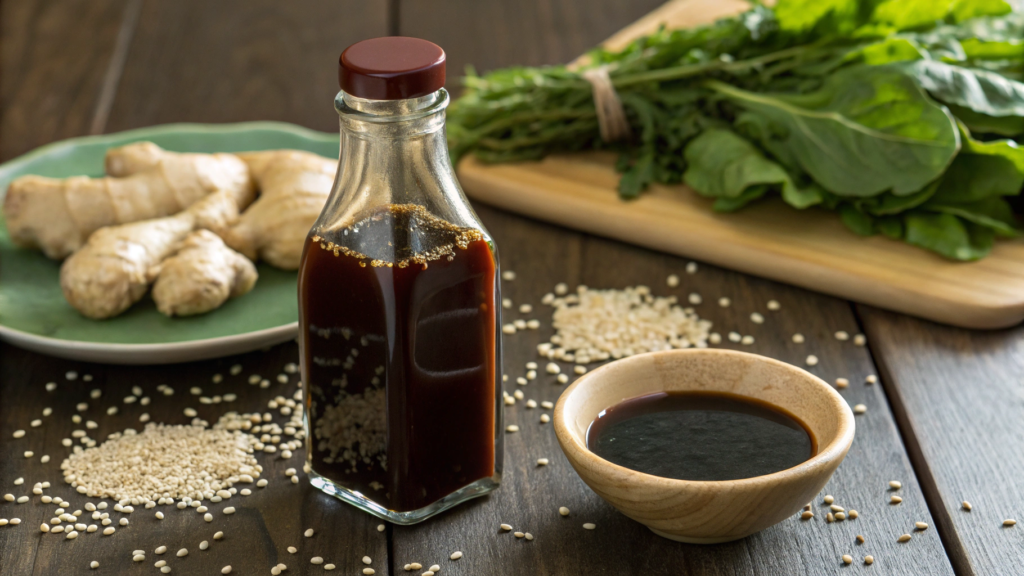
If I could send the smell of this salad dressing through the screen — you’d catch the sesame, soy sauce, and fresh ginger in seconds. This isn’t just a dressing, it’s personality. Sharp, tangy, salty, warm — and incredibly versatile.
We first made this sesame soy ginger salad dressing when we tried to recreate our favorite Asian salad from a tiny street café in Portland. Lindy brought home a bottle of soy sauce, I had a nub of fresh ginger and a jar of dark sesame oil. And oh yes… we nailed it.
Why does it always work?
Because it’s balanced:
— soy sauce brings richness,
— ginger adds brightness,
— toasted sesame oil gives that deep, nutty flavor you can’t mistake for anything else.
And yes, we mean dark toasted sesame oil — unrefined, aromatic. That’s what makes this sauce so incredibly good.
Ingredients:
- 2 tbsp soy sauce
- 1½ tbsp rice vinegar
- 1 tbsp honey or maple syrup
- 1½ tsp toasted sesame oil (dark)
- 1 tsp fresh grated ginger
- 1 tsp lime juice
- 1 tbsp water (optional, to thin it out)
- Optional — a bit of grated garlic or a pinch of chili flakes
How to build this flavor bomb:
- In a small bowl, combine soy sauce, vinegar, honey, lime juice, and ginger.
- Pour in the sesame oil — and there it is, that smell you can’t not love.
- Stir everything well, and add a bit of water if you want a lighter texture.
- Taste and tweak: add more honey if it’s too sharp, more vinegar if you want extra brightness.
Keeps in the fridge for 4–5 days, but it’s best on day one — when the flavor is at its peak.
Where to use it?
The obvious first choice — rice noodle salad with cucumber and carrot. Just toss the noodles with the veggies, sprinkle some green onion and sesame seeds on top, and pour this dressing all over it.
But that’s just the beginning. We drizzle it over roasted sweet potatoes, add it to grain bowls with crispy tofu, use it in marinades for chicken, and — my personal favorite — dip roasted cauliflower bites straight into it.
Sesame oil is the key here — I use Kadoya 100% Pure Sesame Oil, 11 oz. It’s dark, aromatic, and one bottle will last you months — because you only need a few drops to transform a dish completely.
8. Roasted red pepper and cashew dressing
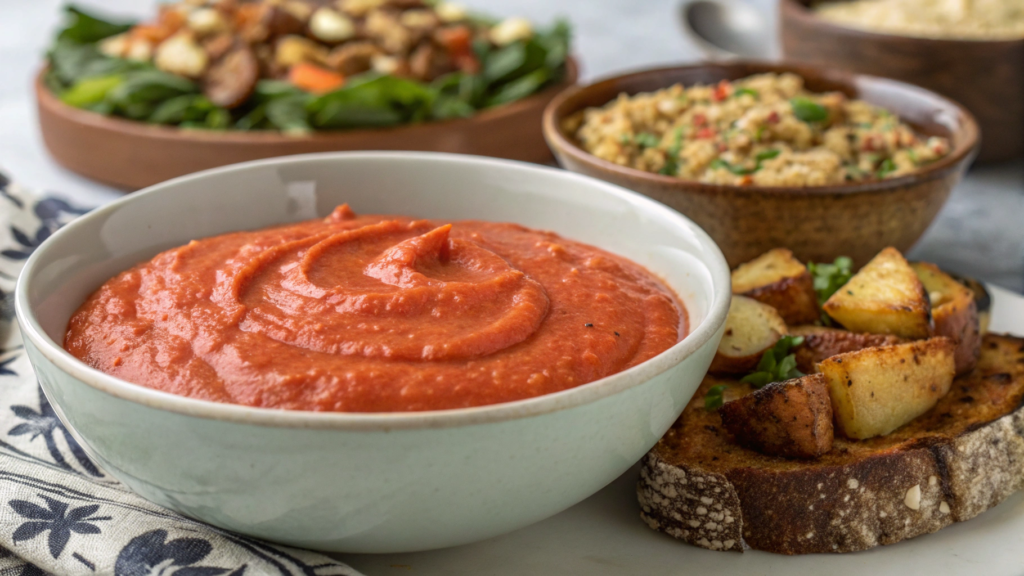
Roasted red pepper and cashew dressing isn’t just for salads around here. It’s thick, smooth, made with roasted pepper and cashews. Warm, rich, creamy… and totally dairy-free.
We put it on veggie toasts, roasted potatoes, quinoa bowls, and even toss it with pasta. Once you make it, it’s really hard to stop.
Why is it so rich and flavorful?
Roasted red pepper brings umami, sweetness, and a hint of smoke.
Cashews give it structure, creaminess, and protein.
Together, they create an unexpectedly deep, restaurant-level texture — and you get it from just three basic ingredients.
This salad dressing is also vegan and gluten-free — but honestly, it’s so tasty, no one even notices.
Ingredients:
- 1 large roasted red bell pepper (homemade or from a jar)
- ½ cup (75 g) raw cashews
- 1 tbsp lemon juice
- 1 tbsp apple cider vinegar
- 1 small clove garlic
- ¼ tsp salt
- 3–4 tbsp water, for texture
- Optional — a pinch of smoked paprika or black pepper
How to make a creamy, thick, and smooth dressing:
- If using raw cashews, soak them in hot water for 1–2 hours, then drain. If you have a powerful blender, you can skip soaking.
- Add all ingredients to a blender: pepper, cashews, lemon juice, vinegar, garlic, and salt.
- Blend until completely smooth. Add water, one tablespoon at a time, until you reach the desired thickness. It should turn into a smooth, pourable purée.
- Taste and adjust — if you want more tang or spice, add a drop of vinegar or a bit of pepper.
Keeps in the fridge for up to 5 days. Just stir before using — the texture stays nice and stable.
Where to use it?
We just made a batch recently and served it with bulgur, roasted carrots, and pan-fried broccoli. Sprinkled some pumpkin seeds on top — and that was dinner. Sweet, warm, hearty, and satisfying.
It also works perfectly:
- On sandwiches, instead of mayo — especially with grilled eggplant
- As a dip for falafel, roasted chickpeas, or even plain breadsticks
- As a creamy base for warm pasta — just stir in a couple spoonfuls and a splash of water, and it’s ready to serve
If you want to turn up the heat, try adding a little smoked paprika or chili paste.
And if you thin it out a bit more, you’ll get something that works great as a spread for burritos or wraps.
9. Apple cider vinegar and rosemary vinaigrette
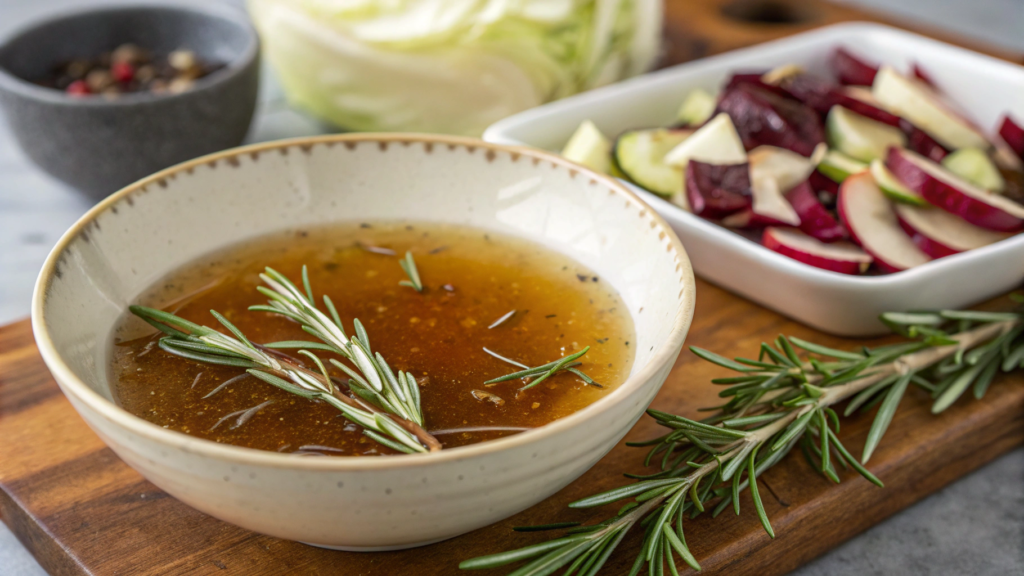
Apple cider vinegar and rosemary vinaigrette is all about that crisp rosemary aroma that turns a basic salad into something with serious mood.
We often use it on cabbage slaws or anything with roasted beets. Sometimes even on warm veggie sides — and it just works.
Why apple cider vinegar and rosemary are more than just a dressing
First of all, apple cider vinegar supports digestion and can help balance blood sugar after eating carbs (European Journal of Clinical Nutrition).
Second, rosemary isn’t just flavor — it’s loaded with antioxidants, including carnosic acid, which may help reduce inflammation (Journal of Food Science).
But science aside — this stuff is just plain delicious.
Ingredients:
- 3 tbsp apple cider vinegar
- 1 tbsp maple syrup or liquid honey
- ½ tsp dried rosemary or 1 tsp finely chopped fresh rosemary
- 1 tsp Dijon mustard
- ¼ tsp salt
- ⅓ cup (80 ml) extra virgin olive oil
- A pinch of fresh ground pepper
How to make this fragrant vinaigrette:
- In a small jar or bowl, combine vinegar, syrup, rosemary, mustard, salt, and pepper.
- Let it sit for 5–10 minutes — this helps the rosemary bloom in the acid.
- Slowly pour in the olive oil, whisking or shaking the jar to emulsify.
- Taste and adjust — add more salt or mustard if needed.
- Keeps for up to a week in a sealed jar. Shake well before serving.
Where to use it?
We always reach for it in a warm salad with roasted beets, walnuts, and arugula. The dressing ties it all together: the vinegar cuts through the sweetness, rosemary adds structure, and the oil brings it all home.
It also pairs beautifully with:
- Shredded cabbage and carrot salad — like coleslaw, but without the mayo
- Sautéed mushrooms, especially chanterelles or grilled cremini
- Grilled chicken or turkey breasts — just marinate and sear, and you’ll swear you’re eating dinner by a campfire in the woods
Do you only use rosemary in the kitchen, or do you grow a big aromatic hedge too?
Our chickens nibble on ours sometimes — and honestly, I don’t blame them. That flavor is no joke.
10. Creamy cucumber dill salad dressing (Greek-style)
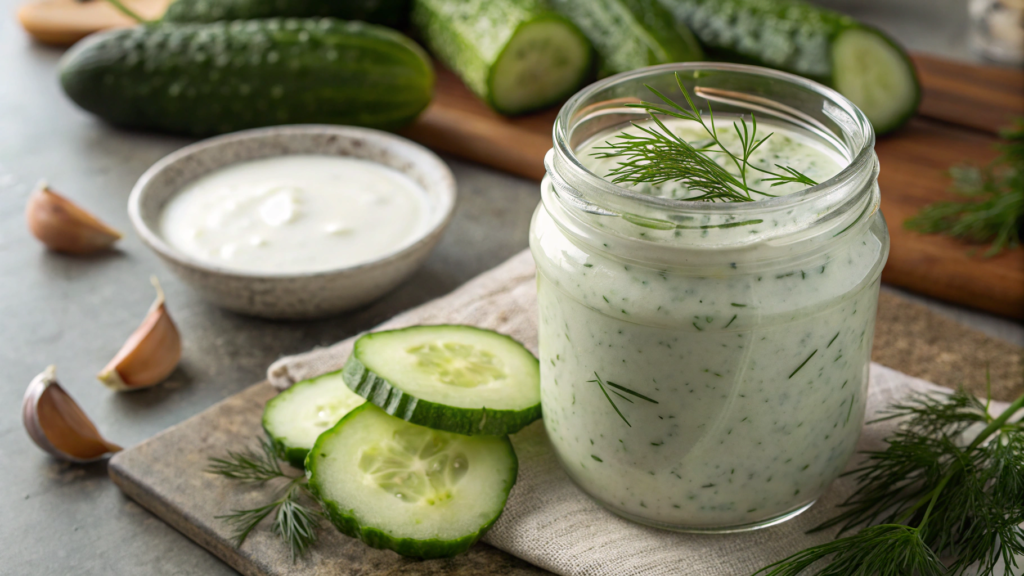
It’s like sour cream — but more interesting. And like a salad dressing — but with a flavor so good you’ll want to eat it straight from the jar.
Creamy cucumber dill dressing came to life on the hottest day of June.
We had just picked the first garden cucumbers — crisp, young, perfect. And I thought:
“What if we don’t make a salad… but a dressing instead?”
I added yogurt, garlic, fresh dill — and that was it.
Since then, it’s become our go-to for summer days when we want something fresh but not too tart.
What makes it special?
- Cucumber, with its high water content, keeps the texture light, even in a thick dressing
- Dill brings that Greek-style vibe — rustic, but with olives and feta on the table
- Yogurt or sour cream gives it creaminess without the heaviness — especially if you use a thick, low-fat variety
- And bonus: this salad dressing is a great source of probiotics if you use live yogurt (see: Frontiers in Microbiology)
Ingredients:
- ½ cup (120g) Greek yogurt (or sour cream)
- ½ medium cucumber, grated
- 1 tbsp finely chopped fresh dill
- 1 small garlic clove, grated
- 1 tsp lemon juice
- Salt and black pepper, to taste
If the cucumber is very juicy, give it a light squeeze before mixing it in.
How to make this creamy, fresh dressing:
- Grate the cucumber, and squeeze out excess liquid
- In a bowl, mix yogurt, dill, garlic, lemon juice, salt, and pepper
- Add the cucumber and stir well — the dressing should be creamy but lightly textured, with little cucumber bits adding that signature crunch
- Chill for 10–15 minutes in the fridge to let flavors meld
Keeps for 2–3 days, but best on day one, before the cucumber starts releasing too much juice
Where to use it?
Of course — salads. Especially simple ones with cabbage, cucumber, radish, and boiled eggs.
But it gets really fun when you use it as a sauce for:
- Roasted potatoes
- Greek-style flatbreads
- Fish patties or fritters
At our place, it’s also a go-to meal prep dressing. Layer cooked chickpeas, quinoa, tomatoes, and some fresh greens in a jar — top with a spoonful of this dressing.
Pop it in the fridge — and lunch is ready to go, even if you’re just out working in the garden.
If you’re looking for a thick but light Greek yogurt, try FAGE Total 2% Greek Yogurt, 32oz — great texture, no additives, and holds up perfectly in dressings.
I’ve also tried this recipe with mint instead of dill — and while it’s nice, it doesn’t feel as cozy. Dill is what makes it feel like home.
But really — why make salad dressings at all?
I mean, honestly — why bother when you could just buy a bottle at the store?
Because homemade tastes better and you know exactly what’s in it. Because a dressing isn’t just a “check-the-box” sauce — it’s the thing that pulls everything together. It’s the character of your food.
We don’t always cook from scratch, either. Some days it’s just toast and butter and whatever else.
But when there’s a jar of lemon basil dressing or a creamy dill yogurt sauce in the fridge —
even a plain dinner turns into something you actually look forward to.Tried one of these recipes? Drop a comment and let us know how it went. Got your own go-to dressing? Share it. Especially if it smells like herbs and summer evenings.
And hey — thanks for making food that means something.