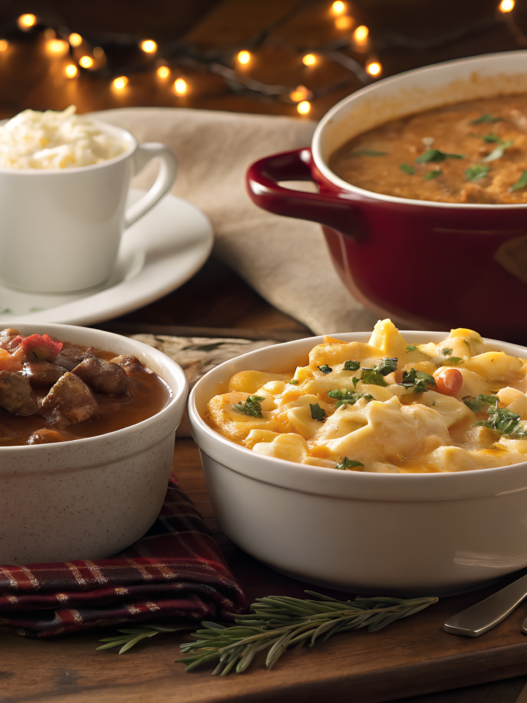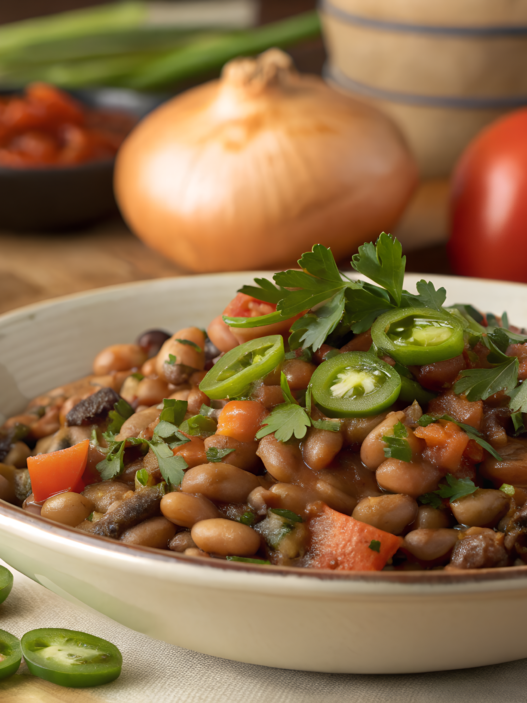
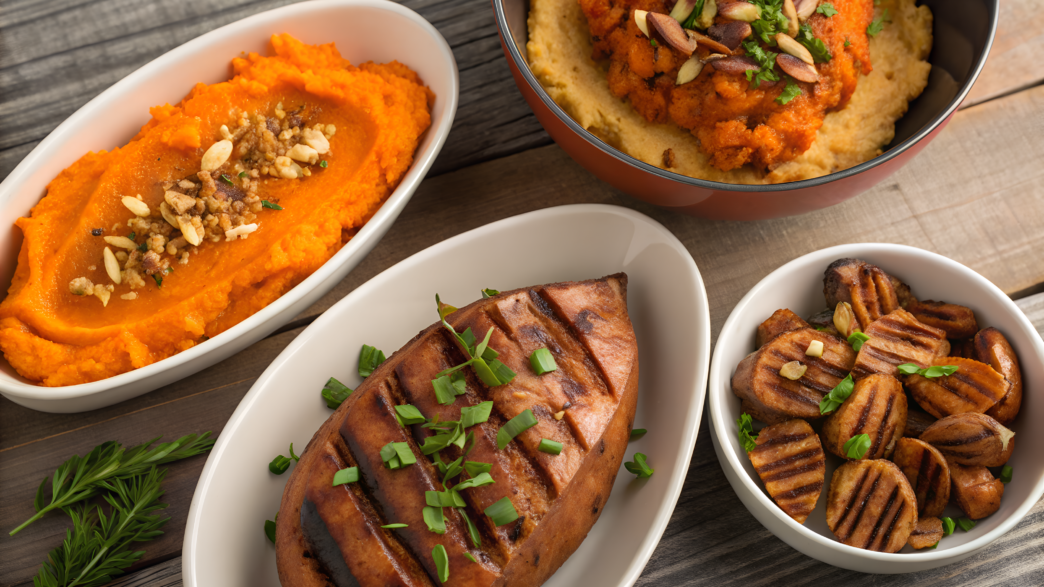
We’re used to seeing sweet potatoes in the same role over and over again — baked, mashed, sometimes “something for the holidays.” But sweet potatoes easily step beyond the side-dish role and feel right at home in very different formats. They work well with salt, with spices, and with softer textures.
Here, we tried to rethink the familiar. Lindy and I put these dishes together gradually, straight from everyday life, paying attention to how sweet potatoes behave in different forms — in the oven, in a pan, in soup, in dough. In the end, we landed on 10 dishes that don’t compete with each other and somehow seem to work for almost everyone.
1. Sweet Potato Mac and Cheese with a Cheddar Crust
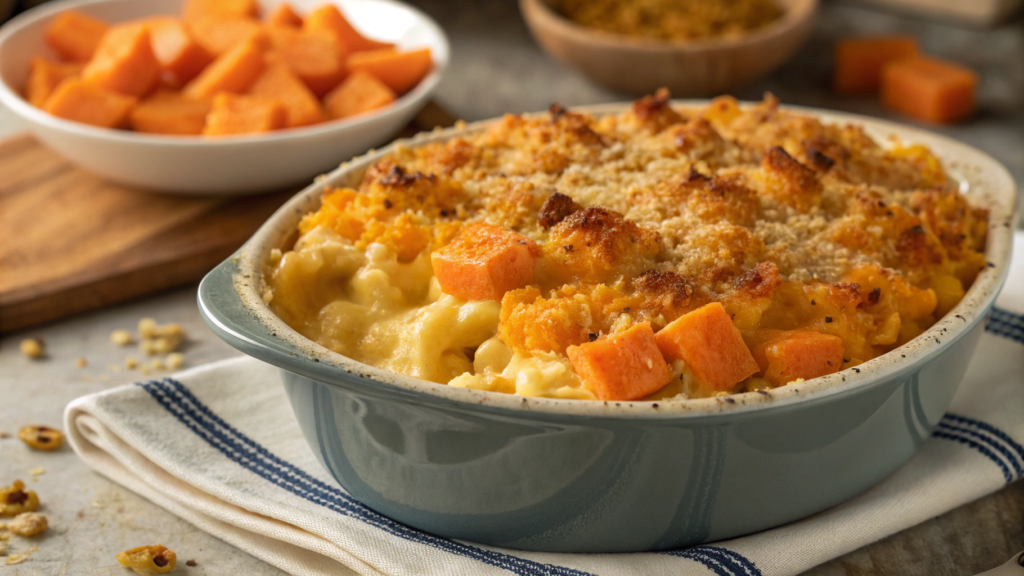
Sweet potato in this dish isn’t disguised and isn’t “hidden for health.” It’s part of the flavor. It makes the sauce thick, velvety, almost creamy without feeling heavy. And the baked cheddar crust… well, no commentary needed. Crunchy. Period.
And yes — even people who “don’t like sweet potatoes” usually go back for seconds. Tested.
Ingredients
- Sweet potato, peeled and cubed — 2 cups (≈ 300–320 g)
- Pasta (elbow or cavatappi work best) — 8 oz (≈ 225 g)
- Butter — 3 tbsp (≈ 45 g)
- Flour — 2 tbsp (≈ 16 g)
- Milk — 1½ cups (≈ 360 ml)
- Grated sharp cheddar — 2 cups (≈ 200 g)
- Grated Parmesan — ½ cup (≈ 50 g)
- Dijon mustard — 1 tsp
- Salt — to taste
- Black pepper — to taste
- Smoked paprika — ½ tsp
Optional for the crust:
- Breadcrumbs — ¼ cup (≈ 30 g)
- Extra cheddar — ½ cup (≈ 50 g)
How to Make It
- Cook the sweet potato.
Boil the sweet potato in salted water until soft. It should mash easily with a fork. Drain the water and blend into a purée. Not perfectly smooth — a little texture works in your favor here. - Cook the pasta.
Cook until al dente. This part matters. Don’t overcook — it’s going into the oven later. - Make the sauce.
In a saucepan, melt the butter, add the flour, and cook for 1–2 minutes, stirring constantly. Slowly pour in the milk, whisking the whole time. The sauce should thicken but stay smooth, not rubbery. - Add the flavor.
Remove from heat and stir in the sweet potato purée, Dijon mustard, spices, and most of the cheese. The sauce will turn a deep orange right away. - Assemble.
Mix the pasta with the sauce and transfer everything into a baking dish. Top with cheddar and, if you want extra crunch, a bit of breadcrumbs. - Bake.
Bake at 375°F (≈ 190°C) for 20–25 minutes. The top should bubble and turn golden. If you want a more aggressive crust, switch to broil for the last 2–3 minutes — just don’t walk away.
We use a heavy ceramic Emile Henry Rectangular Baking Dish from Amazon — it heats slowly, holds temperature well, and gives that even, confident crust every time.
Serving
This mac and cheese doesn’t need decorations — it stands on its own. But a few small touches make it even better:
- Serve it straight from the oven, while the crust is still crisp and the inside is creamy and stretchy.
- You can add a pinch of smoked paprika or freshly ground black pepper on top — the aroma opens up instantly.
- If you want balance, serve it with a simple green salad and a lemon dressing. The acidity works well against the richness of the cheese.
For a more relaxed, home-style setup, just place the dish in the center of the table and let everyone serve themselves.
2. Spicy Air Fryer Sweet Potato Fries with Lime Mayo
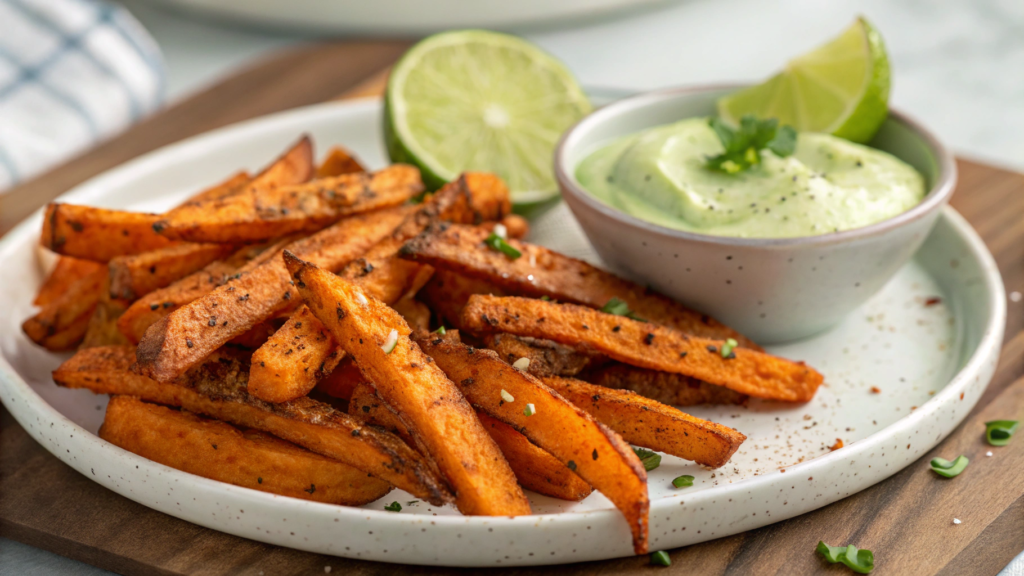
These fries are crispy, spicy, with a bright dipping sauce you want to go back to again and again.
Minimal oil, maximum texture. And the lime mayo adds that acidity sweet potatoes sometimes need when they lean a little too sweet.
Ingredients
For the fries:
- Sweet potato — 2 large (≈ 500–550 g)
- Olive oil — 1½ tbsp (≈ 22 ml)
- Smoked paprika — 1 tsp
- Ground chili pepper — ½ tsp (or to taste)
- Garlic powder — ½ tsp
- Salt — to taste
- Cornstarch — 1 tsp (optional, but really helps with crispiness)
For the lime mayo:
- Mayonnaise — ½ cup (≈ 120 ml)
- Lime juice — 1½ tbsp
- Lime zest — ½ tsp
- Salt — to taste
How to Make It
- Prep the sweet potatoes.
Cut the sweet potatoes into thin, even sticks. This really matters. Thick pieces will turn soft instead of crispy. After cutting, rinse them under cold water and dry thoroughly — excess starch washes away, the surface dries out, and the air fryer works better. - Add spices and oil.
In a large bowl, mix the sweet potatoes with olive oil, spices, salt, and cornstarch. Use your hands, not a spoon. The potatoes should be coated, not shiny, with no pools of oil at the bottom. - Preheat the air fryer.
Heat to 380°F (≈ 195°C). This is the temperature where sweet potatoes start browning instead of just drying out. - Cook in batches.
Place the sweet potatoes in the basket in a single layer, no piling. Cook for 12–15 minutes, shaking the basket every 4–5 minutes. By the end, the fries should be golden with browned edges. If you want more crunch, add another 2 minutes. - Make the sauce.
While the fries cook, mix the mayonnaise with lime juice and zest. Taste it. The sauce should be bright, slightly sharp, and fresh, not just fatty.
Tip. If the fries turn out softer than you wanted, don’t add more oil right away. Next time, cut them thinner or let the sweet potatoes sit and dry for 5–10 minutes before cooking. Sweet potatoes are very sensitive to moisture, and that’s usually what kills the crunch — not temperature or seasoning.
Serving
Serve the fries immediately while they’re hot and properly crispy — sweet potatoes lose texture quickly if they sit.
- Keep the lime mayo on the side instead of pouring it over the fries. The sauce works best when you dip and control the balance yourself.
- These fries work best without any plate ceremony — a big bowl, napkins, and hands reaching in.
This is the kind of food that fits moments when you didn’t plan dinner but suddenly wanted something spicy and straightforward.
3. Loaded Sweet Potato Nachos for Game Night
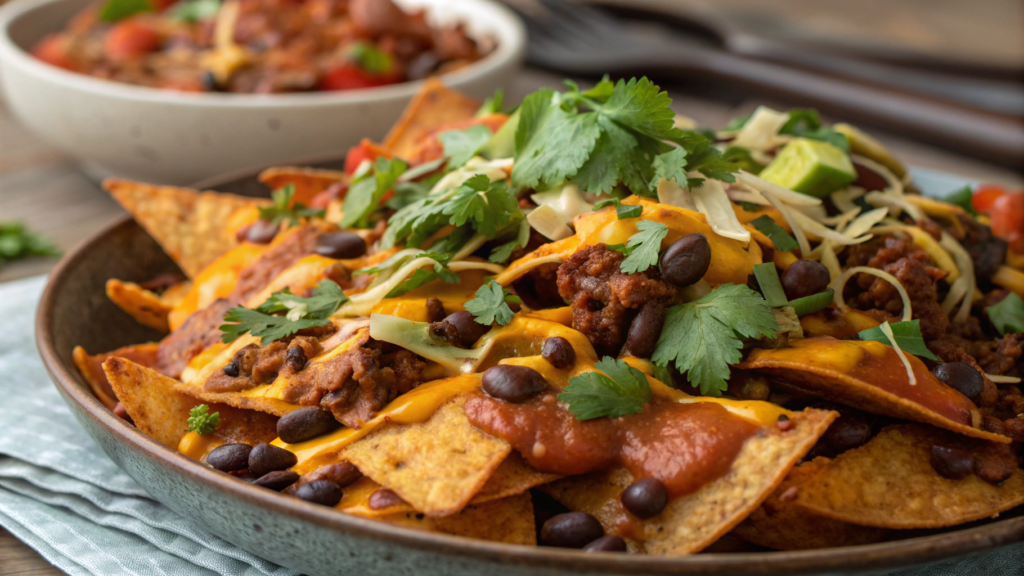
These nachos didn’t come from a love of parties, and definitely not because of sports. They came from a simple wish: cheese that stretches, sauces that mix together, and sweet potatoes that hold their shape instead of turning into mush after five minutes.
Here, sweet potatoes replace chips not because they’re “healthier,” but because they can handle the load. Sauces, beans, cheese, heat — sweet potatoes take all of it calmly and confidently.
Ingredients
For the base:
- Sweet potato, sliced into rounds or half-moons — 2 large (≈ 550–600 g)
- Olive oil — 2 tbsp (≈ 30 ml)
- Smoked paprika — 1 tsp
- Ground cumin — ½ tsp
- Garlic powder — ½ tsp
- Salt — to taste
Toppings:
- Canned black beans, rinsed — 1 cup (≈ 170 g)
- Shredded cheddar or Mexican cheese blend — 1½ cups (≈ 150 g)
- Red onion, finely chopped — ¼ cup (≈ 40 g)
- Pickled jalapeños — to taste
For serving:
- Avocado or guacamole — 1
- Sour cream or Greek yogurt — ½ cup (≈ 120 ml)
- Lime juice — 1 tbsp
- Cilantro — optional
How to Make It
- Prep the sweet potatoes.
Slice the sweet potatoes into rounds or half-moons about ¼ inch (≈ 6 mm) thick. Too thin and they lose their shape, too thick and they won’t cook through. Transfer to a bowl, add olive oil, spices, and salt, and mix well so each piece is evenly coated. - Bake the base.
Arrange the sweet potatoes in a single layer on a parchment-lined baking sheet. Bake at 400°F (≈ 205°C) for about 20 minutes, flipping halfway through. The edges should brown while the centers stay soft — this is a base for nachos, not chips. - Assemble the nachos.
Remove the baking sheet from the oven and evenly scatter the black beans, add the red onion and jalapeños, then sprinkle the cheese on top. Don’t aim for symmetry — uneven layers are fine here. - Return to the oven.
Put everything back in the oven for another 8–10 minutes, until the cheese is fully melted and starts bubbling and browning in spots. - Add fresh elements.
Mix the sour cream with lime juice. Take the nachos out of the oven and add avocado or guacamole on top. Cilantro is optional, if it feels right in the moment.
Tip. If the sweet potatoes start browning too fast on the edges but are still firm inside, don’t raise the temperature and don’t cover them with foil. Just move the baking sheet one rack higher and let them finish cooking for a few more minutes. Sweet potatoes like steady heat, not aggression, and this helps them keep their shape even under cheese and sauces.
Serving
- The nachos are served straight on the baking sheet, without transferring or decorating — that’s how they keep their heat and texture.
- The lime sour cream is kept on the side so everyone can add as much as they want.
- The sweet potatoes stay visible and firm; they don’t disappear under the toppings or fall apart at the first touch.
- This is food you can eat without sitting down, moving in and out, without stopping conversations.
It works best in a space where the kitchen and living room blend together, and food doesn’t require pauses or formality. Sometimes we make this instead of dinner. Sometimes instead of plans. And every time, the sweet potatoes behave exactly the way they should.
4. Velvety Sweet Potato Soup with Coconut Cream
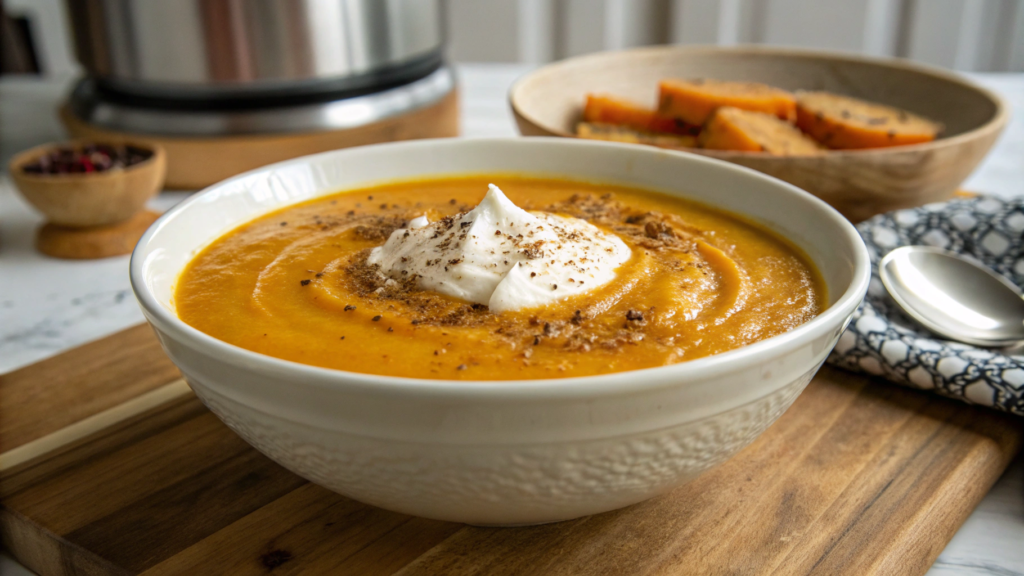
This soup showed up in our kitchen during a time when we wanted simple, warm food. No complex flavors, no need to impress. The kind you can eat calmly in the evening and not think about more than necessary. Sweet potato comes through softly and steadily here. Coconut cream smooths out the edges and evens out the flavor, while the spices stay in the background and do their job quietly.
Ingredients
- Sweet potato, peeled and cubed — 3 cups (≈ 450–500 g)
- Yellow onion, finely chopped — 1 medium
- Garlic — 2 cloves
- Olive oil — 1½ tbsp (≈ 22 ml)
- Vegetable broth — 4 cups (≈ 950 ml)
- Coconut cream (not coconut milk) — ¾ cup (≈ 180 ml)
- Ground ginger — ½ tsp
- Ground cumin — ¼ tsp
- Salt — to taste
- Black pepper — to taste
- Lime juice — 1–2 tsp (to taste)
How to Make It
- Prepare the base.
Heat the olive oil in a heavy-bottomed pot over medium heat. Add the onion and cook for 5–7 minutes until soft and translucent. No browning here — softness is what matters. - Add the aroma.
Stir in the garlic, ginger, and cumin. Warm the spices for about 30 seconds, just until fragrant, without letting them darken. - Add the sweet potato.
Add the cubed sweet potato, mix it with the onions and spices, and let it warm for a couple of minutes so it starts absorbing flavor. - Pour in the broth.
Add the vegetable broth, bring to a boil, then lower the heat and simmer for 15–20 minutes, until the sweet potato is completely soft. - Create the texture.
Remove the pot from heat and blend the soup until smooth using an immersion blender. Return it to low heat, add the coconut cream, salt, and pepper. Warm gently, without boiling. - Finish the flavor.
Add the lime juice, stir, and taste. It shouldn’t stand out on its own — just pull the flavors together.
Tip. If the soup feels too thick after blending, don’t thin it with water. Add a bit of hot vegetable broth or a couple more spoonfuls of coconut cream instead. Water breaks the texture and dulls the flavor, and sweet potatoes don’t respond well to that.
Serving
- The soup is served very warm, but not boiling, so the texture stays silky.
- You can drizzle a thin stream of coconut cream on top without fully mixing it in.
- A drop of olive oil or a bit of freshly ground black pepper works well right in the bowl.
This soup doesn’t need bread, but if it shows up on the side, keep it simple and warm, without hard crusts or seeds.
5. Sweet Potato and Black Bean Tacos with Slaw
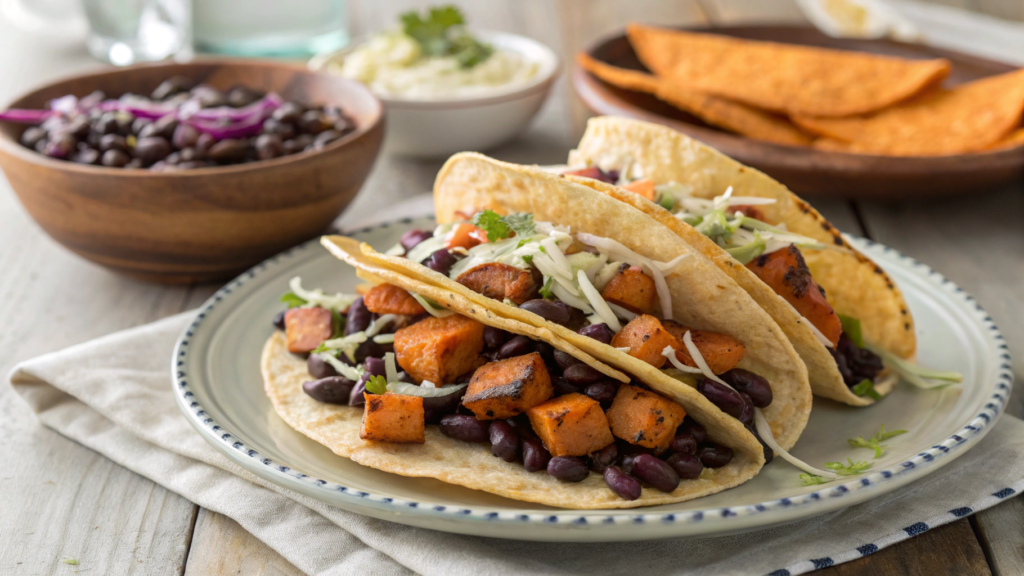
Here, the sweet potatoes are roasted until firm and confident, black beans add weight, and the crunchy slaw keeps the flavor from tipping too far into sweetness. This is food where every layer is noticeable. And where hands work just as well as a fork.
Lindy and I make these sweet potato and black bean tacos with slaw when we want to eat something filling, but without heaviness.
Ingredients
For the filling:
- Sweet potato, diced — 2½ cups (≈ 380–420 g)
- Olive oil — 1½ tbsp (≈ 22 ml)
- Smoked paprika — 1 tsp
- Ground cumin — ½ tsp
- Ground coriander — ¼ tsp
- Salt — to taste
- Canned black beans, rinsed — 1 cup (≈ 170 g)
For the slaw:
- Green or red cabbage, finely shredded — 2 cups (≈ 120 g)
- Grated carrot — ½ cup (≈ 50 g)
- Lime juice — 1½ tbsp
- Olive oil — 1 tbsp
- Salt — to taste
Serving:
- Tortillas (corn or flour) — 8 small
- Avocado — 1
- Cilantro — optional
How to Make It
- Prep the sweet potatoes.
Cut the sweet potatoes into cubes about ¾ inch (≈ 2 cm). This size lets them brown on the outside while staying soft inside. Transfer to a bowl, add olive oil, paprika, cumin, coriander, and salt. Mix thoroughly so the spices coat evenly, with no dry corners. - Roast the sweet potatoes properly.
Spread the cubes in a single layer on a parchment-lined baking sheet. Roast at 400°F (≈ 205°C) for 22–25 minutes, flipping halfway through. The sweet potatoes should be browned at the edges and confidently soft inside, without falling apart. - Add the beans.
Remove the baking sheet, add the black beans directly to the sweet potatoes, and gently mix. Return to the oven for another 5 minutes so the beans warm through and absorb some of the spices without drying out. - Make the slaw.
In a bowl, combine the cabbage and carrot. Add lime juice, olive oil, and salt. Massage with your hands for 20–30 seconds until the cabbage softens slightly but stays crunchy. This step matters — it makes the slaw juicy instead of watery. - Warm the tortillas.
Heat the tortillas in a dry skillet or directly over a flame for 15–20 seconds per side. They should be warm and flexible, without toasted spots. - Assemble the tacos.
Place the warm sweet potatoes and beans on a tortilla, top with slaw, avocado slices, and, if you want, a bit of cilantro. Don’t overfill — it’s important that everything holds together and doesn’t fall out.
Tip. If the sweet potatoes turn out softer than you wanted, don’t increase the roasting time next time. It’s better to reduce the size of the cut and keep the same temperature. Sweet potatoes move quickly from “firm” to “falling apart,” and it’s easier to control that with a knife than with the oven.
Serving
The tacos are served right after assembly, while the tortillas are warm and pliable. The slaw stays cold and crunchy, creating contrast with the warm filling. Avocado is added at the end so it keeps its shape and flavor.
These tacos are best eaten by hand, without sauces that drip and distract.
6. Sweet Potato Casserole with Pecan Topping
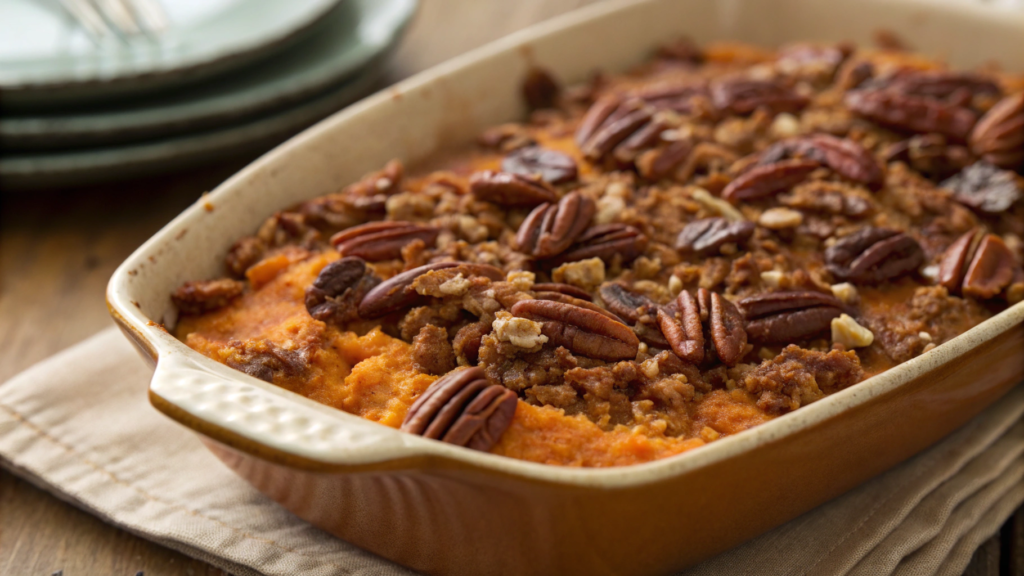
In this version, sweet potato stays the main element — warm, dense, with a clearly defined flavor. The pecan topping adds crunch and depth, not just sweetness. We make this dish not “for the holidays,” but when we need to feed everyone without overloading the food with extra flavors.
Ingredients
For the base:
- Sweet potato, peeled and cut into large chunks — 4 cups (≈ 650–700 g)
- Butter, melted — 4 tbsp (≈ 60 g)
- Brown sugar — ¼ cup (≈ 50 g)
- Eggs — 2
- Milk — ¼ cup (≈ 60 ml)
- Ground cinnamon — ½ tsp
- Ground nutmeg — ¼ tsp
- Salt — ½ tsp
For the pecan topping:
- Pecans, roughly chopped — 1 cup (≈ 110 g)
- Brown sugar — ⅓ cup (≈ 65 g)
- Flour — 2 tbsp (≈ 16 g)
- Butter, cold — 3 tbsp (≈ 45 g)
How to Make It
- Cook the sweet potatoes.
Boil the sweet potatoes in salted water until soft, about 15–20 minutes. They should pierce easily with a knife, without resistance. Drain completely and let them sit for a couple of minutes so excess steam can escape. - Make the mash.
Mash the sweet potatoes until smooth but not perfectly silky. Add the melted butter, brown sugar, eggs, milk, spices, and salt. Mix until you get a dense, even mixture with no lumps. - Transfer to the baking dish.
Spoon the sweet potato base into a baking dish and smooth the surface with a spoon or spatula. The layer should be even, but not pressed down. - Prepare the pecan topping.
In a separate bowl, mix the pecans, brown sugar, and flour. Add the cold butter and rub it in with your hands until you get a moist crumble. The butter should stay in small pieces — this keeps the topping crumbly rather than dense. - Assemble the casserole.
Evenly distribute the pecan mixture over the sweet potato layer without pressing it down. The topping should sit loosely on the surface. - Bake.
Bake at 375°F (≈ 190°C) for about 30–35 minutes. The top should turn golden, the nuts fragrant, and the filling set but still soft.
Tip. If you want the sweet potato base to be firmer, let the mash cool slightly before adding the eggs. This helps the mixture hold its shape after baking and keeps it from turning loose.
Serving
- The casserole is served warm, not hot, so the layers hold together and the flavor feels collected. The pecan topping stays crunchy and contrasts with the soft center.
This dish works well on its own, without sauces or additions. It’s easy to place in the center of the table and serve with large spoons, without careful slicing. The flavor opens up gradually, without sharp accents.
7. Savory Sweet Potato Pies with Rosemary and Shallot
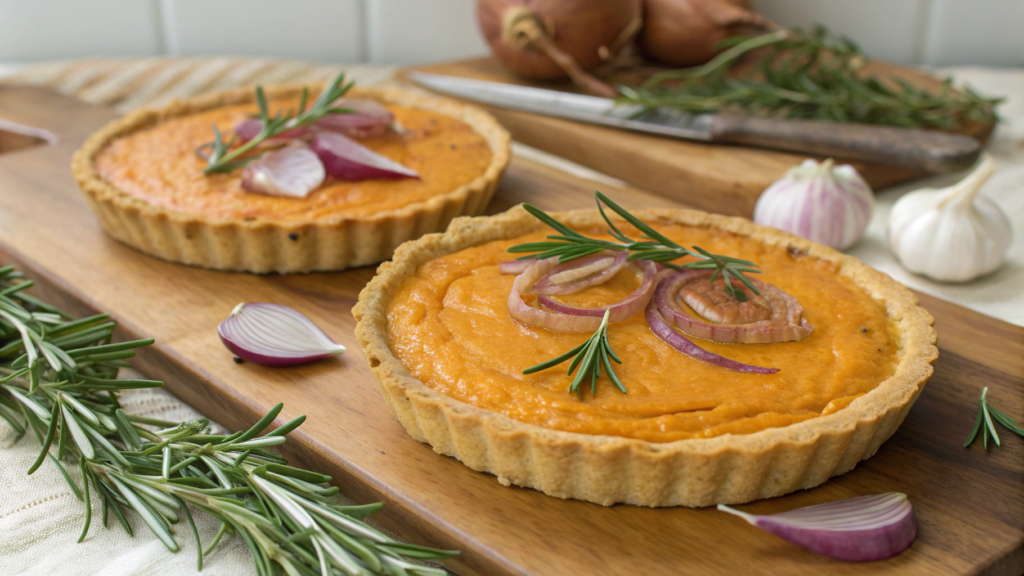
Sweet potato works beautifully in a savory version — dense, aromatic, with herbs and onions that don’t dominate but pull the flavor together.
Rosemary gives structure, shallots add gentle sweetness without sharpness, and sweet potato becomes the base that holds everything in place. These are small pies that don’t need an occasion. They easily replace dinner, a snack, or just “something warm.”
Ingredients
For the filling:
- Sweet potato, peeled and cubed — 2½ cups (≈ 380–420 g)
- Shallots, thinly sliced — 2
- Olive oil — 1½ tbsp (≈ 22 ml)
- Fresh rosemary, finely chopped — 1½ tsp
- Salt — to taste
- Black pepper — to taste
- Eggs — 2
- Cream or whole milk — ⅓ cup (≈ 80 ml)
For the crust:
- Prepared shortcrust dough or pie crust — 1 package
- Flour — for dusting
How to Make It
- Cook the sweet potatoes.
Boil the sweet potatoes in salted water until soft, about 15–18 minutes. They should break easily with a fork but not turn into watery purée. Drain completely and let them sit for a couple of minutes so the steam can escape. - Sauté the shallots.
Heat the olive oil in a skillet and cook the shallots over medium heat for 6–8 minutes. They should become soft, translucent, and lightly caramelized, without browned edges. Add the rosemary at the end and warm for another 30 seconds. - Assemble the filling.
Mash the sweet potatoes with a fork to a dense texture with small pieces left intact. Add the shallots with rosemary, eggs, cream, salt, and pepper. The mixture should be thick but pourable, not runny. - Prepare the pans.
Roll out the dough and line small tart or mini pie pans. We often use something like a Wilton Mini Pie Pan, because these pans hold the edges well and bake evenly. Trim any excess dough neatly. - Fill and bake.
Pour the filling into the pans, stopping just short of the edge. Bake at 375°F (≈ 190°C) for 30–35 minutes, until the center is set and the crust edges turn golden. - Let them set.
Remove the pies from the oven and let them rest for 10 minutes. This matters — the filling firms up and holds its shape when cut.
Tip. If you want a more pronounced herbal note, don’t add more rosemary. Instead, gently rub it between your fingers before adding it — this releases the essential oils more evenly without making the flavor sharp.
Serving
The pies can be served warm or at room temperature without losing flavor. The crust holds the filling well, without getting soggy or crumbly.
This is a format that’s easy to eat even without a knife. They work just as well on the table as they do packed to go.
8. Sweet Potato Brownie Bites for Late-Night Cravings
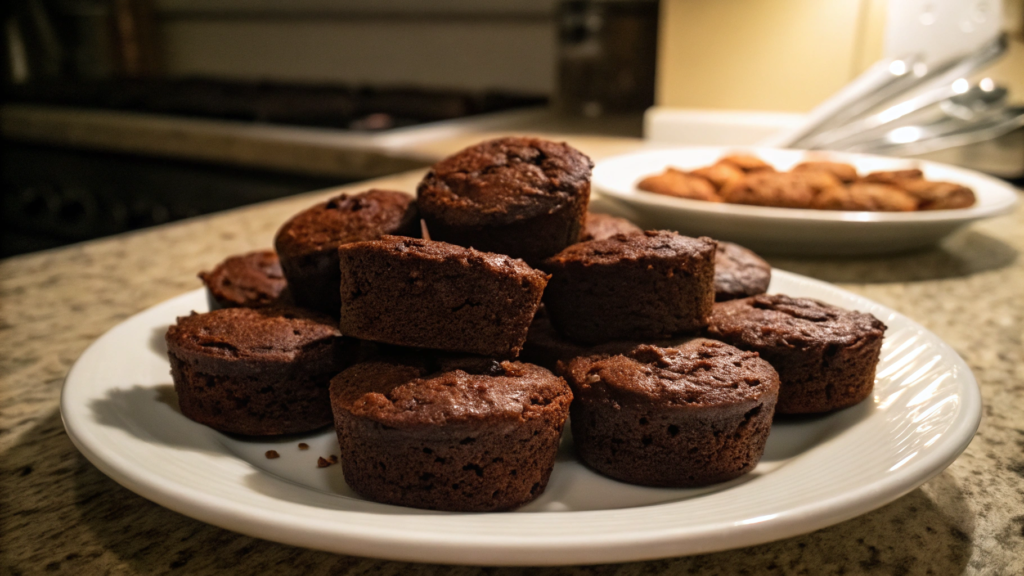
These brownies showed up in our kitchen, Lindy’s and mine, during a time when we didn’t want to bake a big dessert, didn’t want sugar straight to the face, and definitely didn’t want to deal with leftovers afterward. We needed a small, dense, warm bite that actually takes care of the sweet craving.
This is not a dessert for serving. This is a dessert for the kitchen after nine in the evening, when the lights are already dim.
Ingredients
- Sweet potato, cooked and mashed — 1 cup (≈ 230–250 g)
- Eggs — 2
- Cocoa powder (unsweetened) — ½ cup (≈ 45 g)
- Coconut sugar or brown sugar — ⅓ cup (≈ 65 g)
- Melted butter or coconut oil — ¼ cup (≈ 60 ml)
- Vanilla extract — 1 tsp
- Salt — ¼ tsp
- Baking powder — ½ tsp
- Dark chocolate (70%), finely chopped — ⅓ cup (≈ 55 g)
How to Make It
- Prepare the sweet potato.
Cook the sweet potato until completely soft, drain the water, and let it sit for a couple of minutes so the steam escapes. Mash with a fork or blend until you get a smooth, dense mixture with no liquid. This is the base of the entire texture. - Combine the wet ingredients.
In a bowl, mix the sweet potato, eggs, sugar, melted butter, and vanilla. Stir until smooth, without whipping. Air isn’t needed here — density is. - Add the dry ingredients.
Add the cocoa powder, salt, and baking powder. Gently fold in until there are no dry pockets left. The batter will be thick and intense — that’s exactly right. - Add the chocolate.
Fold in the chopped dark chocolate with a spatula. It shouldn’t melt into the batter; the pieces should stay as separate pockets. - Fill the molds.
Spoon the batter into mini molds or one small pan lined with parchment paper. - Bake carefully.
Bake at 350°F (≈ 175°C) for 18–22 minutes. The center should set but stay soft. Overbaking isn’t an option here — sweet potatoes don’t like dryness.
Tip. If you want a deeper chocolate flavor, don’t add more cocoa powder. Instead, replace part of the chocolate pieces with a higher cocoa percentage. The flavor gets deeper while the texture stays right.
Serving
- These brownies are best eaten warm, while the chocolate is still soft and the texture stays dense.
They don’t need frosting, powdered sugar, or extras — the flavor is already complete. Size matters here: the small format helps keep things in check. This is a dessert you can pick up with one hand, without sitting down.
Lindy and I usually eat them right in the kitchen, in between things, without any ritual.
9. Whipped Sweet Potato Mash with Browned Butter
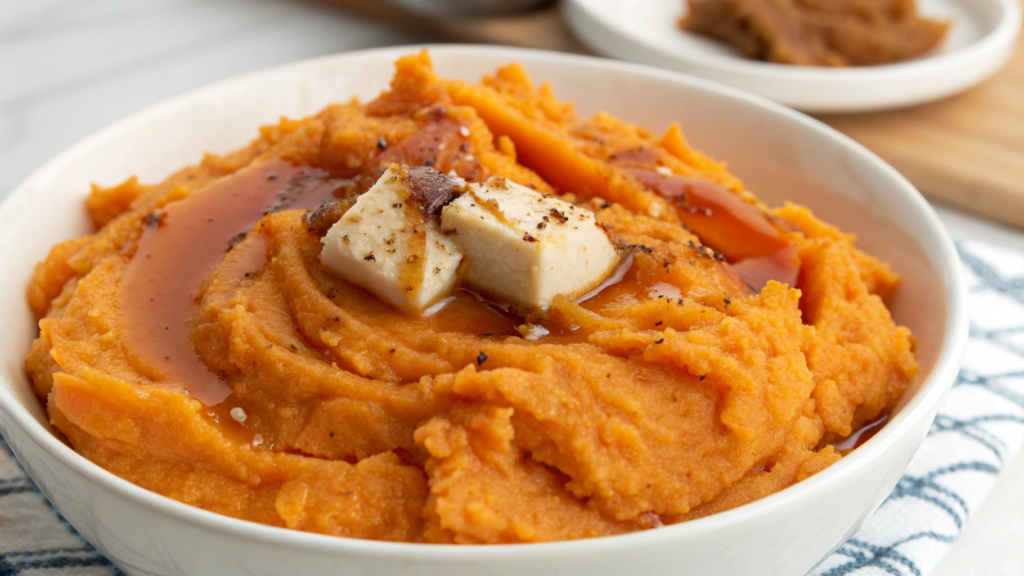
This mash showed up in our kitchen, Lindy’s and mine, at the moment it became clear that sweet potatoes don’t need sugar or decoration — just heat, butter, and the right texture.
Sweet potato here isn’t disguised and doesn’t compete. It’s dense, naturally a little sweet, and the browned butter adds depth and that specific flavor that’s hard to describe but easy to recognize.
Ingredients
- Sweet potato, peeled and cut into large chunks — 4 cups (≈ 650–700 g)
- Butter — 6 tbsp (≈ 90 g)
- Milk or cream — ¼ cup (≈ 60 ml)
- Salt — to taste
- White or black pepper — to taste
- Nutmeg — a pinch (optional)
How to Make It
- Boil the sweet potatoes.
Place the sweet potatoes in a pot, cover with cold salted water, and bring to a boil. Cook for 18–22 minutes, until the pieces are completely soft. They should break easily with a spoon, without resistance. Drain fully and let the sweet potatoes sit for a couple of minutes so excess moisture can evaporate. - Make the browned butter.
While the sweet potatoes rest, melt the butter in a small skillet over medium heat. It will start to foam, then turn clear, and then brown specks and a nutty aroma will appear. Remove from heat immediately — timing matters here, don’t let it go too far. - Whip the mash.
Transfer the sweet potatoes to a bowl or blender jar. Add the warm milk or cream and most of the browned butter. Whip until smooth and airy. This isn’t mashed potatoes — the whipped texture is the point. - Adjust the flavor.
Add salt, pepper, and, if using, a pinch of nutmeg. Mix and taste. The flavor should feel balanced, without the butter taking over. - Finish.
Transfer the mash to a serving bowl and drizzle the remaining browned butter on top. It should form a thin layer, not drown the mash.
Serving
The mash is served very warm, so the butter aroma fully opens up.
- The texture stays smooth and light, without lumps or fibers.
- This is a side dish that works well with simple foods — roasted vegetables, mushrooms, legumes.
- It’s best served in one deep bowl, without formal plating.
The flavor unfolds gradually, without sharp accents.
Tip. If the mash feels heavy, don’t add more liquid right away. Try whipping it longer instead. Sweet potatoes respond very well to air, and it’s the whipping time that makes the texture light — not extra milk or cream.
10. Sweet Potato Breakfast Burritos with Scrambled Eggs
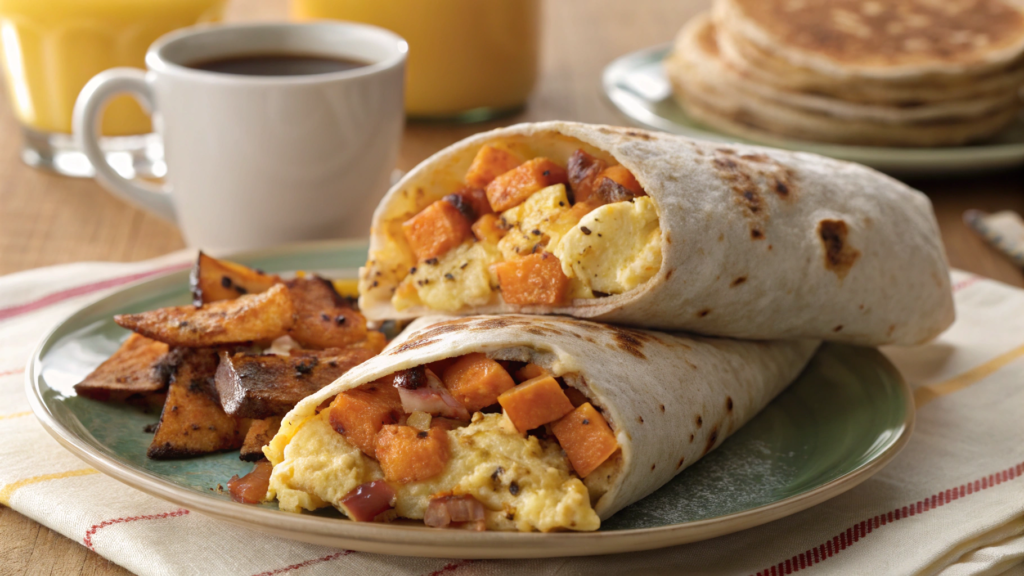
This breakfast is ideal if you want a morning that feels filling and steady, without the feeling of sharp hunger an hour later. Sweet potato adds stability, eggs bring softness and structure, and the burrito format makes it easy to eat without rushing, even when the morning doesn’t go as planned.
This is food for an ordinary morning, when you need warmth, density, and a clear, familiar flavor.
Ingredients
For the filling:
- Sweet potato, cut into small cubes — 1½ cups (≈ 230–250 g)
- Olive oil — 1 tbsp (≈ 15 ml)
- Salt — to taste
- Smoked paprika — ½ tsp
- Eggs — 6
- Milk — 2 tbsp (≈ 30 ml)
- Black pepper — to taste
For assembly:
- Tortillas (large, flour) — 4
- Shredded cheese (cheddar or Monterey Jack) — ¾ cup (≈ 75–80 g)
- Avocado — 1
- Green onion — optional
How to Make It
- Prep the sweet potatoes.
Cut the sweet potatoes into small cubes, about ½ inch (≈ 1–1.5 cm). This size lets them cook quickly and keeps them from feeling rough inside the burrito. Toss with olive oil, salt, and smoked paprika. - Cook the sweet potatoes.
Heat a skillet over medium heat and spread the sweet potatoes in an even layer. Cook for 10–12 minutes, stirring occasionally. The cubes should be soft inside and lightly browned on the outside, without crunch and without falling apart. - Make the eggs.
In a bowl, lightly whisk the eggs with milk, salt, and pepper. Cook them in a separate pan over low heat, stirring constantly with a spatula. The eggs should stay soft and creamy, without dry bits. - Warm the tortillas.
Heat the tortillas in a dry skillet or directly over a flame for 15–20 seconds per side. They should become warm and flexible so they don’t tear when rolled. - Assemble the burritos.
Layer sweet potatoes on the tortilla, then add the eggs, a bit of shredded cheese, and avocado slices. Don’t overfill — the burrito should roll easily and hold its shape. - Roll and warm.
Roll the burritos, folding the bottom edge first, then the sides. If you want, warm them seam-side down in a dry skillet for 1–2 minutes so they set and become slightly firmer.
Tip. If you’re making these burritos ahead of time, don’t add the avocado right away. Add it just before serving. This keeps the texture fresh and the flavor clean, without extra heaviness.
The burritos are served right after assembly, while the tortilla is warm and flexible. The sweet potato stays soft and warm, without overpowering the eggs or falling apart. The eggs give a creamy texture, without any dryness.
This is a breakfast that’s easy to eat on the move or at a kitchen counter. It doesn’t need sauces or extras — the flavor is already complete.
Comfort Food
If you made it this far, chances are sweet potatoes are already in your kitchen — or will be there in the next few days. We’re genuinely curious which option spoke to you, what you want to try first, and how you usually cook sweet potatoes at home.
Maybe there’s a method you return to again and again. Or maybe something on this list made you look at sweet potatoes differently.Write in the comments. We read them, talk about them, and often find ideas for future recipes right there.