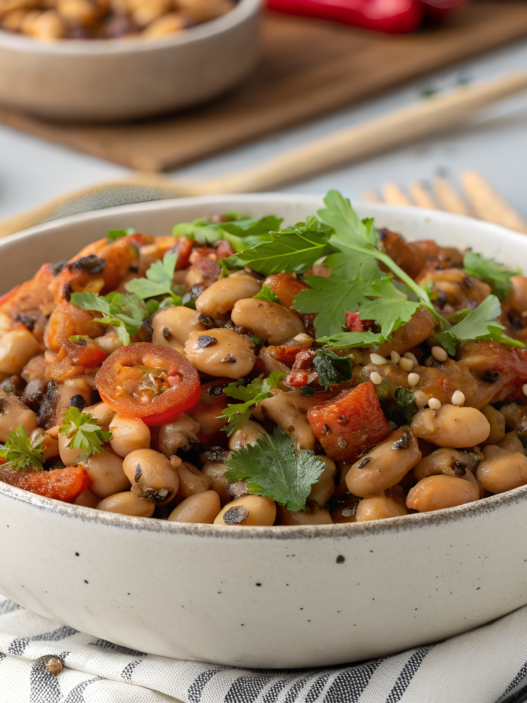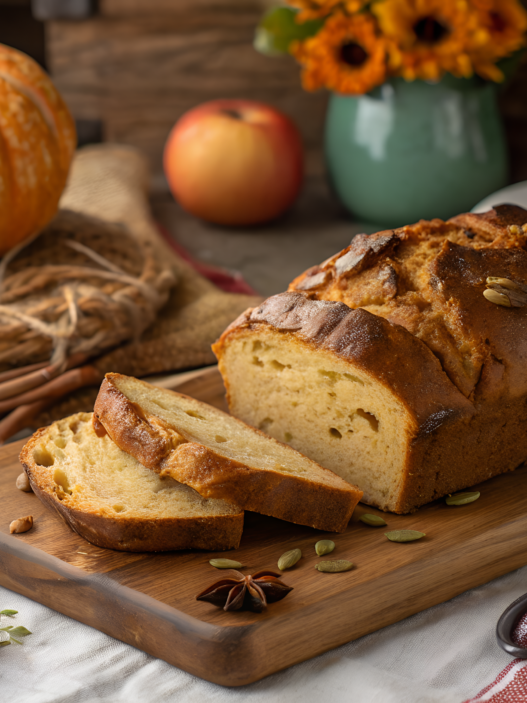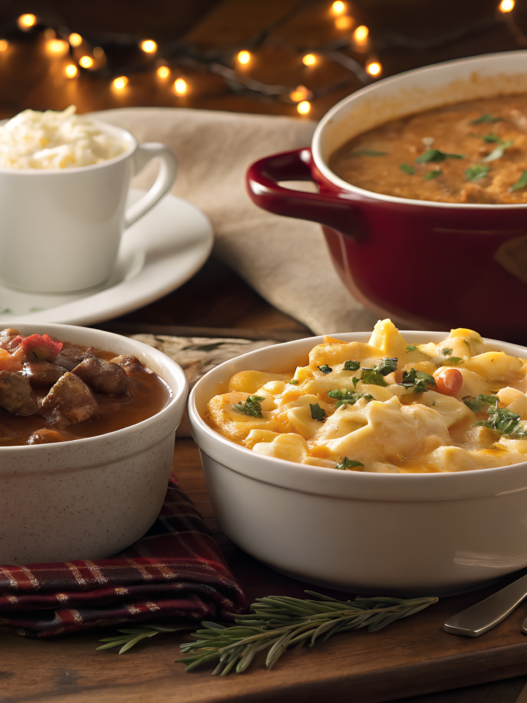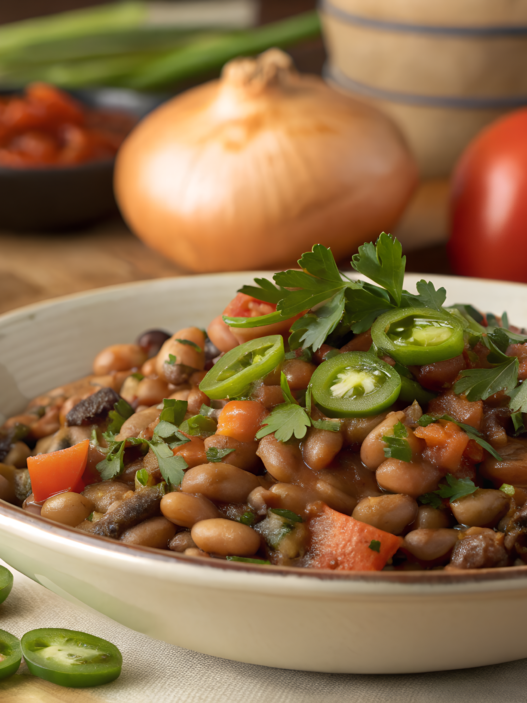
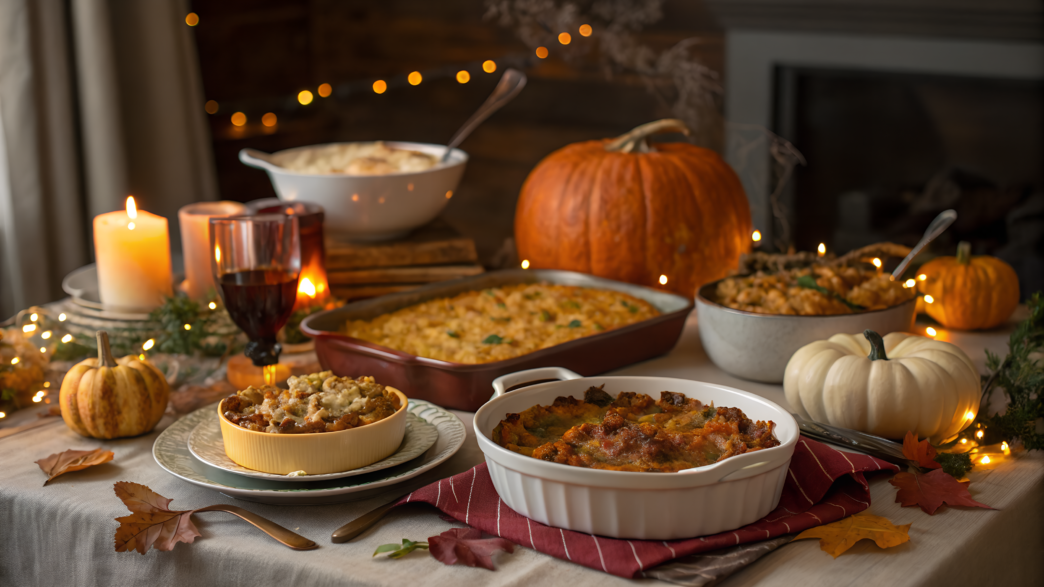
In fall, hearty soups, casseroles, and skillet dinners start appearing on the stove more and more often. They fill the whole house with aroma. And I absolutely love simple and filling homemade food. Here we tried to gather 10 cozy fall dinners that are easy to cook on a regular weekday evening. Some recipes cook almost on their own — for example slow cooker beef stew. Others can be made in 30 minutes, like lemon butter chicken. All of them help create a delicious homemade dinner that feels good to cook, and even better to eat when the weather outside starts getting cooler.
Enjoy your meal!
1. Creamy Chicken and Wild Rice Soup Done the Easy Way
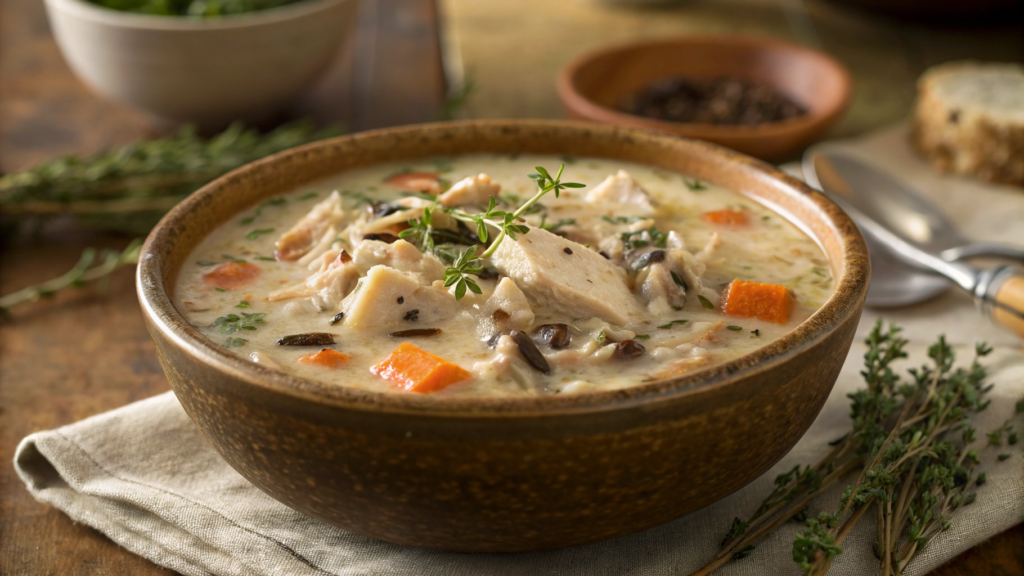
In fall, this dish appears in our kitchen more often than almost anything else. It has a rich broth, tender chicken, hearty grains of wild rice, and a light creamy texture. Everything cooks in one pot, and the result turns out so good that the recipe easily becomes one of the regulars in our fall dinner rotation.
Wild rice has a slightly nutty, deeper flavor, and the grains keep their shape even after long cooking. Because of that, the soup never turns into mush. And Lindy and I really love this rich soup with a gentle thyme aroma.
Ingredients
For a large pot of soup, about 6 servings, you’ll need:
- 2 tablespoons butter (about 30 g)
- 1 tablespoon olive oil
- 1 medium onion
- 2 carrots
- 2 celery stalks
- 3 garlic cloves
- ¾ cup wild rice (about 140 g)
- 6 cups chicken broth (about 1.4 liters)
- 2 cups cooked chicken, shredded or pulled into pieces (about 300 g)
- 1 cup heavy cream (240 ml)
- 1 teaspoon dried thyme
- salt and black pepper to taste
- 2 tablespoons flour
- ¼ cup grated parmesan
For soup like this it’s convenient to use high-quality wild rice, because many cheaper blends contain too much regular rice. We often use Lundberg Wild Rice Blend on Amazon.
How to Cook
- Sauté the vegetables.
In a large pot, heat the butter and olive oil. Add the finely chopped onion, carrots, and celery. Cook for about 5–6 minutes over medium heat until the vegetables become soft and aromatic. Then add the minced garlic and cook for about 30 seconds more. - Add the wild rice and broth.
Add the wild rice to the pot and mix it well with the vegetables. Pour in the chicken broth, add thyme, and bring everything to a gentle simmer. After that, reduce the heat and cook for about 35–40 minutes, until the rice becomes tender and starts to open slightly. - Chicken and seasoning.
Add the pieces of cooked chicken, then salt and black pepper. Stir and cook for another 5–7 minutes, so the meat warms through and absorbs the flavor of the broth. - Creamy base.
In a small bowl, mix the flour with half a cup of hot broth from the pot until smooth. Pour this mixture back into the soup, then add the heavy cream. Cook for about 5 minutes more, until the soup becomes slightly thicker. - Final touch.
Add the grated parmesan and stir well. After cooking, let the soup sit for a few minutes so the texture becomes richer.
A Few Tips
There are a few small tricks in this recipe that noticeably change the result. Chicken thighs usually give a deeper flavor than chicken breast. Wild rice is better cooked directly in the broth instead of being added later — that way it develops its full texture. And one more simple point: don’t rush to serve the soup immediately after cooking. If you let it sit for about 10 minutes, the rice absorbs some of the broth and the consistency becomes thicker.
Sometimes I add a little lemon zest at the very end of cooking. Just about half a teaspoon. You almost don’t notice it on its own, but it makes the flavor feel a little brighter and deeper.
Serving
When the creamy chicken and wild rice soup is ready, let it sit 5–10 minutes under the lid. The wild rice will absorb a little more broth and the soup will become slightly thicker.
- Fresh parsley — adds a light freshness
- Grated parmesan — deepens the flavor
- Freshly ground black pepper — enhances the aroma
- Crusty country bread or sourdough — perfect for dipping into the creamy broth
This is a simple serving style, and it makes the soup feel more complete while turning it into a full dinner.
Why This Soup Is Especially Good for a Fall Dinner
- Hearty base. Chicken and wild rice make the soup filling enough to work as a complete dinner.
- Rich broth. Vegetables and thyme slowly release their aroma while the soup cooks.
- Texture. Wild rice stays firm and adds an interesting bite in every spoonful.
- Stores well. The flavor becomes even deeper the next day.
Recipes like this feel especially good to cook during the cooler months. The soup simmers slowly, fills the kitchen with aroma, and one big pot easily solves dinner for a couple of days.
2. Slow Cooker Beef Stew with Red Wine for Effortless Nights
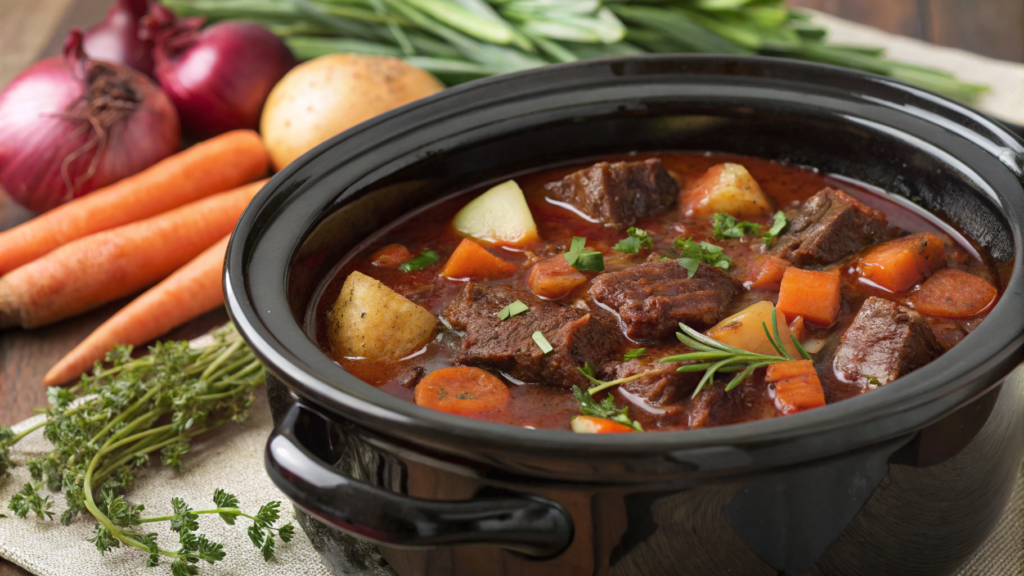
Slow cooker beef stew with red wine — a few basic ingredients, a slow cooker, and a little time. After several hours, you get a thick, rich stew with tender beef and an aromatic sauce.
I value this recipe mostly for its simplicity. The prep takes about fifteen minutes, and after that everything cooks almost without my involvement. You come home in the evening a little tired, and the kitchen smells like slow-braised meat, vegetables, and herbs. All that’s left is to open the lid, stir the stew, and set the table.
Ingredients
For a large pot of stew, about 6 servings, you’ll need:
- 2 lbs beef for stewing (about 900 g)
- 2 tbsp olive oil
- 1 large onion
- 3 carrots
- 3 medium potatoes
- 2 celery stalks
- 3 garlic cloves
- 2 tbsp tomato paste
- 1 cup dry red wine (240 ml)
- 3 cups beef broth (720 ml)
- 1 tsp dried thyme
- 1 bay leaf
- 1 tbsp flour
- salt and black pepper to taste
- 1 cup mushrooms (optional)
For stewing, beef shoulder or chuck roast works especially well because it becomes very tender during long cooking.
How to Cook
- Prepare the beef.
Cut the beef into large cubes about 3–4 cm. Season with salt and black pepper. Heat the olive oil in a deep skillet and quickly sear the meat until a browned crust appears. It doesn’t need to cook through — the goal is simply to brown the surface so the stew develops deeper flavor. - Cook the vegetable base.
In the same skillet, sauté the onion, carrots, and celery for about 4–5 minutes. Then add the garlic and tomato paste. Stir and cook for about 1 minute so the paste releases its aroma. - Add the wine.
Pour in the dry red wine and gently scrape the browned bits from the bottom of the skillet with a spatula. These small caramelized pieces will later make the sauce richer in flavor. - Transfer to the slow cooker.
Move the seared beef, vegetables, and sauce from the skillet into the slow cooker bowl. Add the potatoes, mushrooms, thyme, and bay leaf. - Add the main liquid.
Pour in the beef broth, stir gently, and cover with the lid. Cook for 7–8 hours on low or 4–5 hours on high. - Final thickening.
About 20 minutes before the stew finishes, mix the flour with a small amount of hot broth from the stew. Pour the mixture back into the slow cooker and stir. The sauce will become thicker and richer.
A Few Tips
Searing the beef before slow cooking makes the flavor noticeably deeper. Dry red wine adds gentle acidity and balances the richness of the meat. And please don’t cut the vegetables too small. Larger pieces hold their shape much better during long cooking.
If you want to deepen the aroma a little, you can add a pinch of rosemary or a small splash of soy sauce. It won’t stand out as a separate ingredient, but it will make the flavor more complex.
Serving
When the stew is ready, let it rest for about 10 minutes before serving. The sauce will become slightly thicker and the flavor more balanced.
Serve the stew in deep bowls. On top you can add:
- a little fresh parsley
- grated parmesan
- a few drops of good olive oil
Rustic bread with a crusty exterior works especially well for soaking up the sauce. Sometimes we serve this stew with mashed potatoes, or simply with a slice of warm bread.
When something cooks slowly for hours, the atmosphere in the house changes on its own. Dishes like this are especially good in fall and winter, when you want comforting homemade food without complicated recipes.
Recipes like this easily become part of a regular home dinner routine. One big pot of stew can feed the family for several days, and the flavor often becomes even deeper with time.
3. Mozzarella-Stuffed Pasta Bake for Weekends In
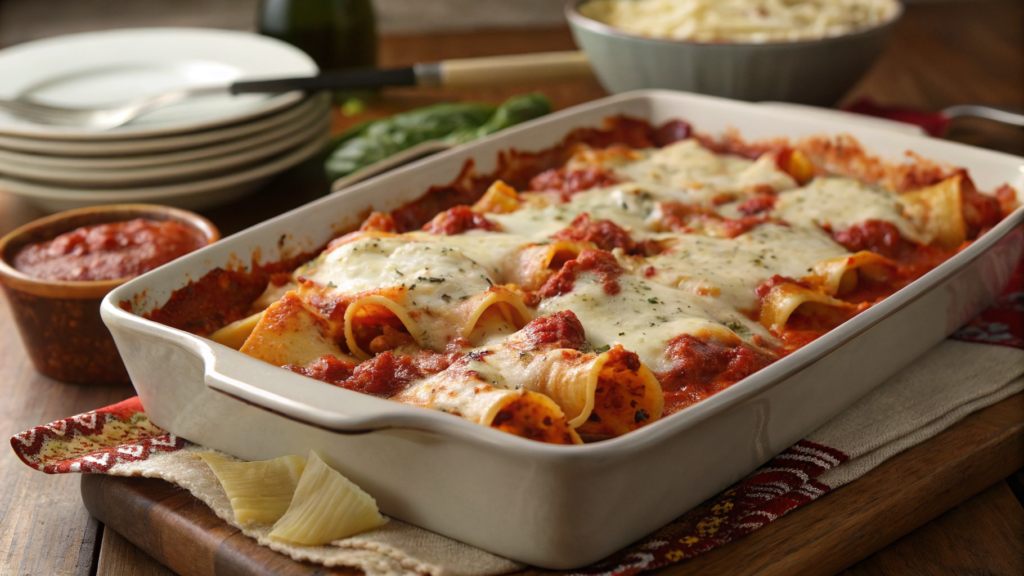
Mozzarella-stuffed pasta bake — a large baking dish of oven-baked pasta, rich tomato sauce, and melted mozzarella. The ingredients are quite simple, but the final result turns out very expressive.
Once we tried a similar pasta dish in a small family café during a trip. There were no complicated ingredients — just good pasta, a thick sauce, and plenty of cheese. But the combination worked so well that we started making our own version at home. Since then, this pasta bake has regularly appeared in our weekend menu.
Ingredients
For a baking dish serving about 6–8 portions, you’ll need:
- 12 oz rigatoni or penne pasta (about 340 g)
- 2 cups marinara tomato sauce (480 ml)
- 1 lb ground beef (450 g)
- 1 medium onion
- 3 garlic cloves
- 1 tsp dried oregano
- 1 tsp dried basil
- 1 cup shredded mozzarella
- 8 oz mozzarella pearls for filling (about 225 g)
- ½ cup grated parmesan
- 2 tbsp olive oil
- salt and black pepper to taste
For this type of pasta bake, small mozzarella pearls work especially well because they melt inside the pasta and create a soft cheesy center. BelGioioso Fresh Mozzarella Pearls are a good option and easy to find on Amazon.
How to Cook
- Cook the pasta.
Bring a large pot of salted water to a boil and cook the rigatoni or penne until al dente. Drain the pasta and set it aside. - Prepare the meat sauce.
Heat the olive oil in a skillet. Add the finely chopped onion and cook for about 4 minutes. Then add the garlic and ground beef. Cook until the meat becomes browned. - Add the sauce and herbs.
Pour in the marinara sauce, then add oregano, basil, salt, and pepper. Stir and cook for about 5 minutes so the sauce becomes slightly thicker. - Mix the pasta and filling.
Combine the cooked pasta with half of the meat sauce. Add the mozzarella pearls, distributing them between the pasta pieces. - Assemble the casserole.
Transfer the pasta with sauce into a baking dish, then spread the remaining sauce on top. Sprinkle with shredded mozzarella and parmesan. - Bake.
Preheat the oven to 375°F (190°C) and bake for about 20–25 minutes, until the cheese melts and becomes lightly golden.
A Few Tips
With this kind of pasta, small details make a big difference. Pasta should be slightly undercooked, because it will continue cooking in the oven.
A thick sauce helps the casserole keep its shape when serving. Another important detail is using fresh mozzarella inside the pasta. It melts gently and creates that stretchy texture many people love in baked pasta dishes.
Sometimes chopped mushrooms or a little spinach are added to the sauce. Vegetables fit nicely into the tomato base and make the flavor more complex.
Serving
After the pasta comes out of the oven, let it rest for about 8–10 minutes. The sauce will become slightly thicker and the casserole will be easier to serve in neat portions.
Before serving, you can add:
- a few fresh basil leaves
- a pinch of grated parmesan right before serving
- a few drops of good olive oil
- a light green salad on the side
- slices of toasted bread to soak up the sauce
This pasta bake is often placed directly on the table in the baking dish. Everyone takes their portion, while the thick tomato sauce and melted cheese make the dish especially satisfying and perfect for a family dinner.
4. Creamy Mushroom Orzo for Quick Fall Comfort
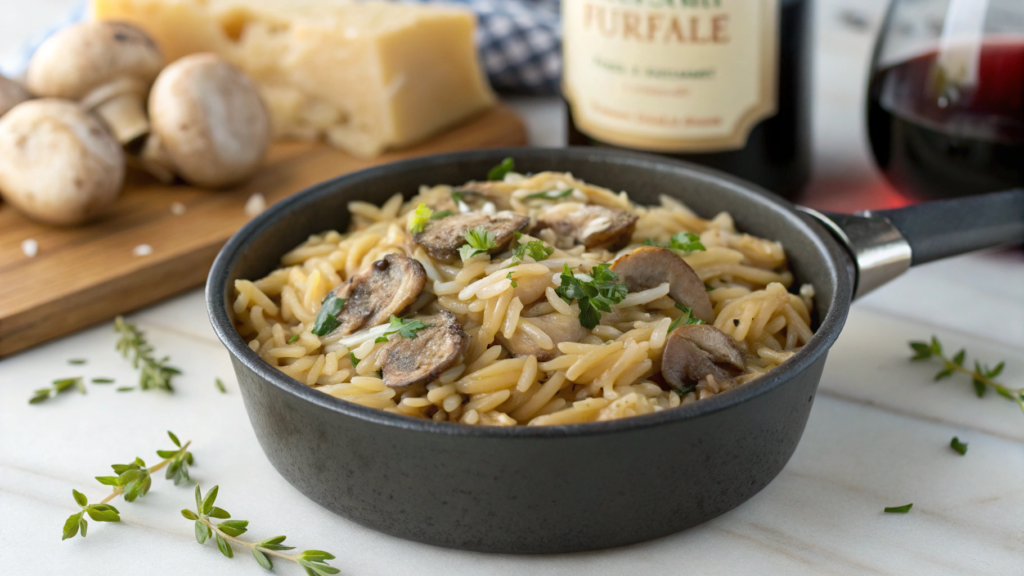
A small pot, a few ingredients, and about twenty minutes in the kitchen, and you have creamy mushroom orzo ready.
Orzo is a small pasta that looks similar to rice but cooks like regular pasta. That’s exactly why it works so well for quick dinners: it cooks fast, absorbs sauce easily, and creates a very pleasant texture.
In a small wine tavern, we were served this dish as a side with roasted meat, but the pasta itself turned out so rich in flavor that it could easily have been a standalone dinner. At home we made a simpler version, adding more mushrooms and a creamy sauce.
Ingredients
For about 4 servings, you’ll need:
- 1 cup orzo pasta (about 200 g)
- 2 tbsp butter
- 1 tbsp olive oil
- 8 oz mushrooms (button or cremini) (about 225 g)
- 1 small onion
- 2 garlic cloves
- 1 cup chicken or vegetable broth (240 ml)
- ½ cup heavy cream (120 ml)
- ½ cup grated parmesan
- ½ tsp dried thyme
- salt and black pepper to taste
- 1 tbsp lemon juice
For dishes like this, it’s helpful to use high-quality small pasta, so it keeps its shape and doesn’t break apart.
How to Cook
- Sauté the mushrooms.
In a deep skillet, heat the butter and olive oil. Add the sliced mushrooms and cook over medium heat for about 6–7 minutes, until they become golden and start releasing their aroma. - Add onion and garlic.
Add the finely chopped onion and cook for about 3 minutes, until it becomes soft. Then add the garlic and stir. - Add the orzo.
Pour the orzo pasta directly into the skillet and mix it with the mushrooms and butter. Let the pasta warm slightly for about one minute. - Add broth and simmer.
Pour in the broth, add thyme, salt, and pepper. Reduce the heat and cook for about 10 minutes, stirring occasionally. The pasta will gradually absorb the liquid. - Create the creamy texture.
When the orzo becomes tender, add the heavy cream and grated parmesan. Stir until the sauce becomes creamy. - Final touch.
Add the lemon juice and taste for salt. A small hint of acidity makes the flavor brighter.
A Few Details That Make the Dish Better
In this recipe, a lot depends on the mushrooms. Don’t overcrowd the pan, otherwise the mushrooms will start steaming instead of browning. It’s better to give them a little space.
Add the cream at the end, so the sauce stays smooth and not too thick. And one more small detail — a little lemon juice. It balances the creamy flavor and makes the dish taste brighter.
If you add a little white wine during the simmering stage or a handful of spinach at the end of cooking, the dish becomes even richer.
Serving
When the creamy mushroom orzo is ready, it’s best to serve it right away while the sauce remains soft and creamy.
- Fresh parsley — adds a fresh aroma
- Extra parmesan on top
- Freshly ground black pepper
- A little lemon zest for brightness
- Crusty bread on the side
This dish can be served as a standalone dinner or as a side with roasted chicken or meat.
5. Homestyle Chicken and Veggie Casserole Without Canned Soup
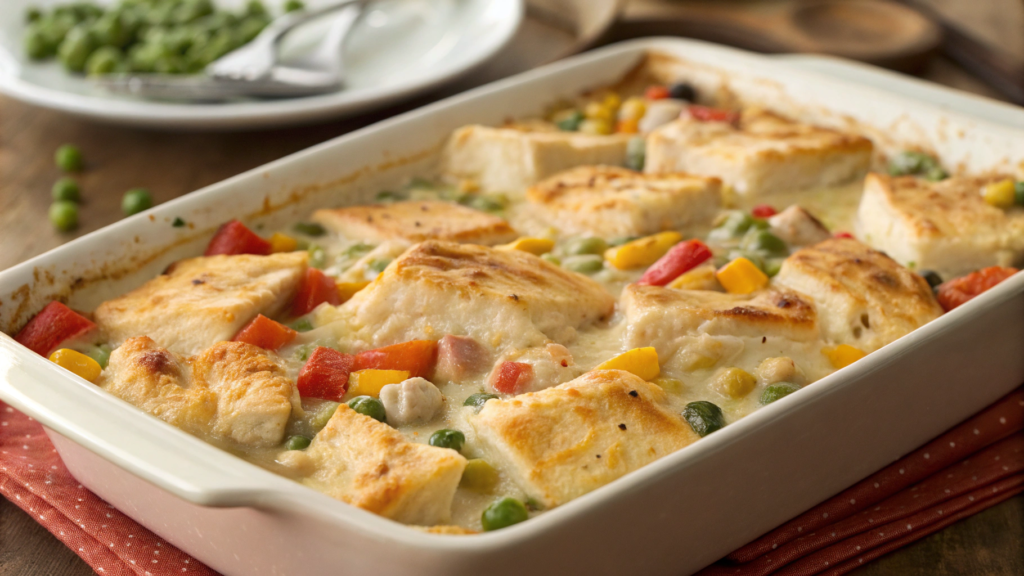
Homestyle chicken and veggie casserole without canned soup starts appearing in the kitchen closer to the colder season. Chicken, vegetables, a rich creamy sauce, and a light baked crust on top. Everything comes together in one baking dish and goes straight into the oven.
We once tried a similar chicken casserole at a family dinner with friends. It was made using an old recipe, but without canned cream soups. Instead, the sauce was prepared from broth, cream, and a little flour. The dish tasted noticeably fresher and more homemade.
Ingredients
For a casserole dish serving about 6 portions, you’ll need:
- 2 cups cooked chicken, cut into pieces (about 300 g)
- 2 cups broccoli
- 1 cup carrots, diced
- 1 cup green peas
- 1 medium onion
- 2 garlic cloves
- 2 tbsp butter
- 2 tbsp flour
- 1½ cups chicken broth (360 ml)
- ½ cup heavy cream (120 ml)
- 1 cup shredded cheddar cheese
- ½ cup breadcrumbs
- 1 tbsp olive oil
- ½ tsp dried thyme
- salt and black pepper to taste
For casseroles like this, it helps to use a good shredded cheese that melts evenly.
How to Cook
- Prepare the oven and baking dish.
Preheat the oven to 375°F (190°C). Lightly grease a baking dish with olive oil so the sauce doesn’t stick to the edges. - Cook the onion and garlic.
In a large skillet, melt the butter. Add the finely chopped onion and cook for about 4–5 minutes until it becomes soft. Then add the minced garlic and stir. - Add the vegetables.
Add the carrots and broccoli, cut into small pieces. Cook for another 3–4 minutes, stirring occasionally. The vegetables should only start to soften slightly. - Prepare the sauce base.
Sprinkle the vegetables with flour and mix well. After about a minute, slowly pour in the chicken broth, stirring constantly. When the sauce begins to thicken, add the cream, thyme, salt, and pepper. - Add chicken and peas.
Stir in the pieces of cooked chicken and the green peas, mixing everything evenly into the sauce. - Assemble the casserole.
Transfer the mixture into the baking dish. Sprinkle the top evenly with shredded cheddar cheese. - Create the crispy topping.
Mix the breadcrumbs with olive oil and spread them over the cheese. - Bake.
Place the dish in the oven and bake for 25–30 minutes, until the top becomes golden and the sauce around the edges begins to bubble. Let the casserole rest for about 10 minutes before serving.
Serving
When the casserole comes out of the oven, let it sit for a few minutes. The sauce will become thicker, and the portions will be easier to serve neatly.
Before serving, you can add:
- a little chopped fresh herbs for freshness
- a pinch of cheese grated right before serving
- freshly ground black pepper for aroma
- a light leafy green salad on the side
- slices of toasted bread
This type of casserole is often placed directly on the table in the baking dish. It becomes a hearty homemade meal that easily feeds the whole family without requiring complicated additions.
Tip from Experience
With casseroles like this, texture matters a lot. Using pre-cooked chicken helps reduce the cooking time. A sauce made from broth and cream tastes lighter than versions made with canned soups. And don’t overcook the vegetables in advance. They should stay slightly firm before going into the oven.
For a deeper flavor, you can add a little smoked paprika or a bit of fresh rosemary.
6. Skillet Lemon Butter Chicken Under 30 Minutes
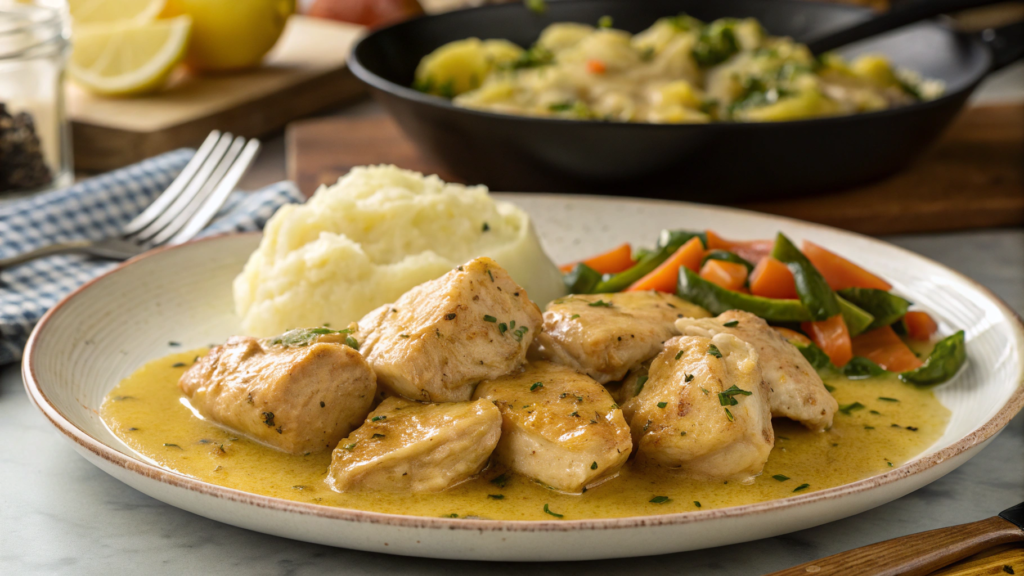
Recipes like this are great because they don’t require long preparation. While the chicken is searing, the sauce comes together in just a few minutes right in the same skillet. The result is juicy chicken and a light lemon butter sauce that works perfectly with rice, pasta, or vegetables. Lindy and I really enjoy this kind of cooking.
Tasty and quick!
Ingredients
You’ll need for 4 servings:
- 1½ lbs chicken breasts or boneless chicken thighs (about 700 g)
- 2 tbsp butter
- 1 tbsp olive oil
- 3 garlic cloves
- ½ cup chicken broth (120 ml)
- 2 tbsp lemon juice
- 1 tsp lemon zest
- ½ tsp dried thyme
- salt and black pepper to taste
- 2 tbsp chopped parsley
For a dish like this, it helps to use a good heavy skillet that holds heat well. For example, a Lodge Cast Iron Skillet — a classic cast-iron pan that works perfectly for quickly searing chicken.
How to Cook
- Prepare the chicken.
Lightly pound the chicken fillets or slice them lengthwise so the pieces have an even thickness. Season both sides with salt and black pepper. - Sear the chicken.
Heat the olive oil and half of the butter in a large skillet. Add the chicken and cook for about 5–6 minutes on each side, until golden. Transfer the chicken to a plate. - Build the sauce base.
In the same skillet, add the remaining butter and the minced garlic. Cook for about 30 seconds, until the garlic becomes fragrant. - Add the liquid.
Pour in the chicken broth and lemon juice, then add thyme and lemon zest. Stir and let the sauce simmer gently for about 2–3 minutes. - Return the chicken to the skillet.
Place the chicken back into the sauce and cook for another 4–5 minutes, occasionally spooning the sauce over the meat. - Final touch.
Sprinkle the dish with chopped parsley and taste the sauce for salt.
Serving
Remove the chicken from the skillet and let it rest for a couple of minutes. During that time the meat stays juicy and the sauce becomes slightly thicker.
Before serving, you can add:
- a little chopped herbs for freshness
- a few drops of lemon juice right before serving
- rice or pasta to absorb the sauce
- roasted or sautéed vegetables on the side
- a slice of warm bread
The sauce in this recipe is smooth with a gentle lemon brightness. It rarely stays on the plate — bread or a side dish quickly picks up every last spoonful.
Practical Notes
In this recipe, it’s important to heat the skillet well so the chicken browns quickly. Lemon zest is best added together with the sauce, because it gives a deeper citrus aroma. And one more detail — don’t keep the garlic on the heat too long, otherwise it may turn bitter.
If you want the sauce to feel slightly richer, you can add one more tablespoon of butter at the very end of cooking.
7. Cheesy Pull-Apart Bread for Cozy Gatherings
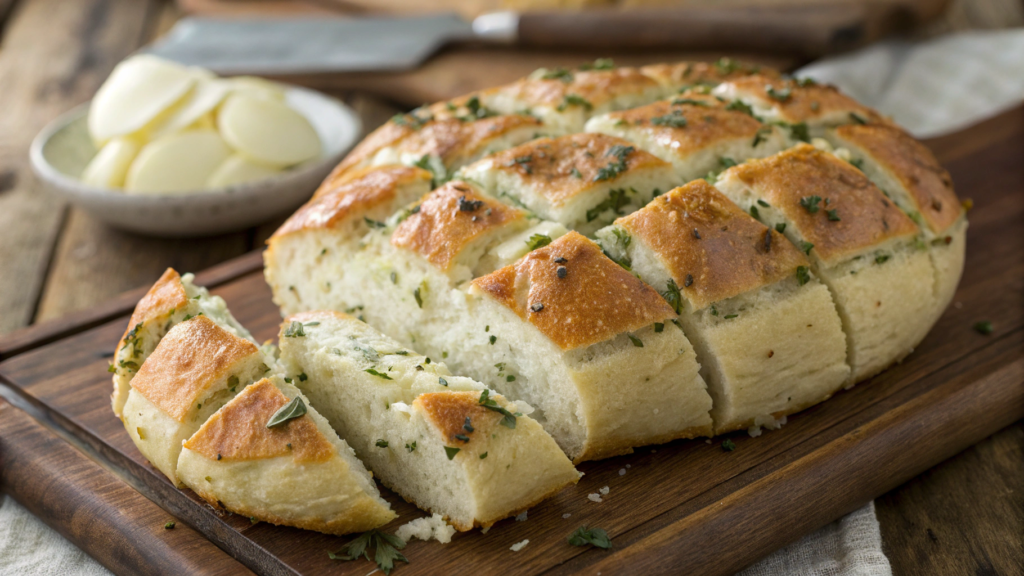
Bread like this is often found in small bakeries or at home gatherings. It usually disappears faster than any other appetizer. The bread stays soft inside, the cheese stretches, and the garlic butter makes everything much more aromatic.
The main idea is very simple. A whole loaf of bread is sliced in a cross pattern, filled with butter, garlic, cheese, and herbs, and then baked until everything melts together. In the oven, the cheese melts between the slices, while a light golden crust forms on top. When you bring it to the table, the bread easily pulls apart into pieces — that’s where the name pull-apart bread comes from.
Ingredients
For one large loaf, you’ll need:
- 1 round sourdough loaf or rustic bread
- 4 tbsp butter (about 60 g)
- 2 garlic cloves
- 1½ cups shredded mozzarella (about 150 g)
- ½ cup grated parmesan
- 2 tbsp chopped parsley
- 1 tbsp olive oil
- a pinch of salt
How to Cook
- Prepare the bread.
Preheat the oven to 375°F (190°C). Place the bread on a cutting board and use a sharp knife to make deep crosshatch cuts, creating a grid of cubes. Cut almost to the bottom, but don’t slice all the way through — the base should stay intact so the loaf holds its shape. - Make the garlic butter.
Melt the butter in a small bowl or saucepan. Add the finely minced garlic, a little olive oil, and a pinch of salt. Mix well. The butter should become fragrant and slightly warm, but not too hot. - Fill the bread with cheese.
Gently open the cuts with your hands and distribute the shredded mozzarella between the slices. Try to push the cheese deeper into the bread, not just on top. Then add some grated parmesan. - Pour in the garlic butter.
Slowly drizzle the garlic butter over the bread, making sure it flows down into the cuts. You can slightly separate the slices with a spoon or knife so the butter spreads evenly. - First baking stage.
Wrap the bread loosely in foil so the cheese melts inside and the bread doesn’t dry out. Place it in the oven and bake for about 15 minutes. - Create the crust.
Carefully open the foil and bake the bread for another 8–10 minutes. During this time the cheese on top will melt completely and start to turn lightly golden. - Final touch.
Remove the bread from the oven and sprinkle it with chopped parsley. Let it rest for a couple of minutes before serving so the cheese settles slightly but remains soft.
Practical Tips
For this recipe, it’s better to use bread with a firm crust, so it keeps its shape after cutting. Try to push the cheese deeper between the slices, not just on top — that way it melts inside the loaf and makes the bread more flavorful. One more detail: pour the garlic butter slowly, so it has time to soak between the layers.
Serving
It’s best to serve cheesy pull-apart bread right after it comes out of the oven, while the cheese is still soft and stretchy.
- extra parmesan on top
- a little fresh parsley
- good olive oil
- tomato sauce or marinara for dipping
This bread works well placed right in the center of the table. Everyone simply pulls off a piece, and the dish gradually disappears on its own. It’s perfect as an appetizer before dinner or as a simple addition to soups and salads.
8. Sweet Potato and Kale Bake That Feels Gourmet
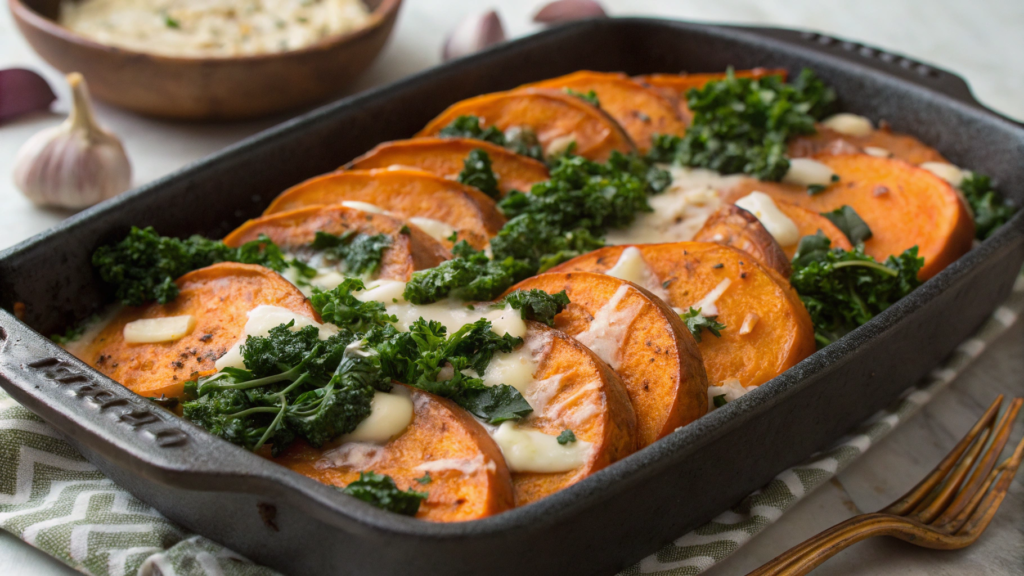
A sweet potato and kale bake looks more complicated than it actually is. Just a few simple ingredients, one baking dish, and the oven do most of the work.
This kind of dish can easily be served either as a side dish or as a simple standalone dinner.
Once we were served something similar at a friend’s house straight from a cast-iron baking dish. Sweet potatoes, a light creamy sauce, and greens on top — it all looked very simple. But the flavor combination turned out surprisingly good. Later at home we made our own version, adding more cheese and a little garlic.
Ingredients
For a baking dish serving 4–6 people, you’ll need:
- 2 large sweet potatoes (about 900 g)
- 2 cups chopped kale leaves (about 120 g)
- 1 small onion
- 2 garlic cloves
- 1 cup heavy cream (240 ml)
- ¾ cup grated Gruyère or cheddar cheese
- 2 tbsp butter
- 1 tbsp olive oil
- ½ tsp dried thyme
- salt and black pepper to taste
How to Cook
- Prepare the oven and baking dish.
Preheat the oven to 375°F (190°C). Lightly grease a baking dish with butter so the vegetables don’t stick. - Prepare the sweet potatoes.
Peel the sweet potatoes and slice them into thin rounds about 4–5 mm thick. If the slices are too thick, the potatoes will take longer to bake. - Make the onion and garlic base.
Heat olive oil in a skillet. Add the finely chopped onion and cook for about 4 minutes until it softens. Then add the garlic and stir. - Add the kale.
Place the chopped kale into the skillet and cook for 2–3 minutes, until the leaves shrink slightly and become softer. - Assemble the bake.
Place a layer of sweet potato slices in the baking dish, then add some of the kale and onion mixture. Drizzle with a little cream, season with salt, pepper, and add a pinch of thyme.
Repeat the layers until the ingredients are used up. - Add the cheese.
Sprinkle the grated Gruyère evenly over the top. - Bake.
Cover the dish with foil and bake for about 30 minutes. Then remove the foil and bake for another 15 minutes, until the top becomes golden and lightly crisp.
A Few Details That Improve the Flavor
Slice the sweet potatoes evenly and thinly so they bake at the same speed. It’s also helpful to cook the kale briefly in the skillet first, which softens it before baking. One more important detail: using a cheese with a stronger flavor makes the whole vegetable dish richer and more satisfying.
Serving
Once the bake is ready, let it rest for about 8–10 minutes. During this time the creamy sauce thickens slightly, and the sweet potato slices hold their layers better when serving.
Before bringing it to the table, you can add:
- a little finely chopped fresh herbs
- a sprinkle of cheese grated right before serving
- freshly ground black pepper
- a light leafy salad on the side
- a few slices of toasted rustic bread
This bake is often served in the same dish it was cooked in. The vegetables already provide plenty of flavor and texture, so the dish easily becomes a complete dinner. Sometimes people add roasted chicken or fish, but just as often it remains the main dish on the table all by itself.
9. Classic Beef Stroganoff with a Modern Creamy Twist
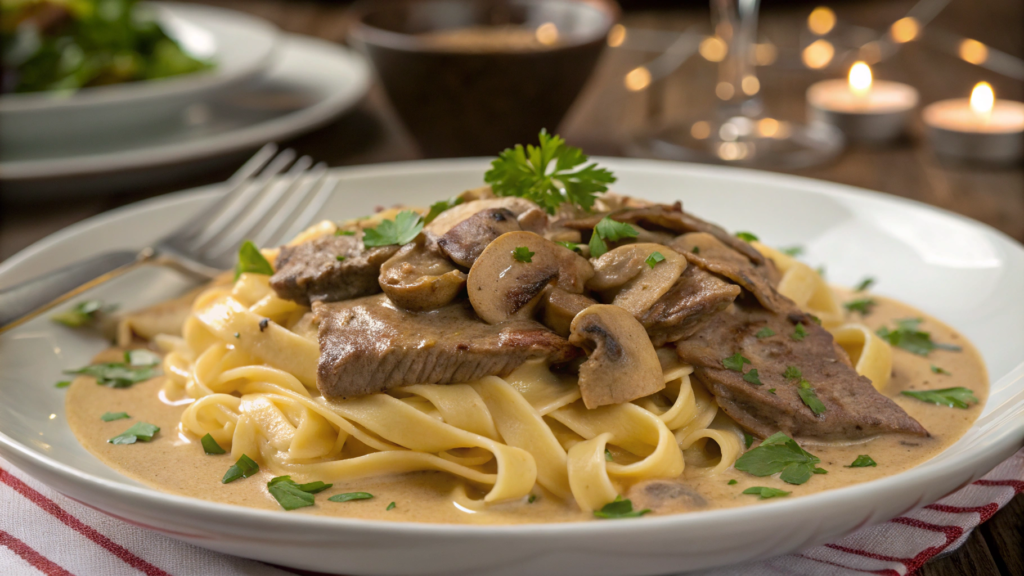
Classic beef stroganoff with a modern creamy twist — this dish is incredibly satisfying. Thin slices of tender beef, sautéed mushrooms, a smooth creamy sauce, and warm egg noodles come together in a meal that feels comforting and rich. It cooks fairly quickly, but the flavor turns out deep and layered.
Many people first try beef stroganoff not at home, but in restaurants or family cafés. Yet once you start cooking it yourself, you realize the recipe is actually quite simple. The key is to sear the beef quickly and avoid overcooking the sauce.
Ingredients
For 4 servings, you’ll need:
- 1 lb beef tenderloin or sirloin (about 450 g)
- 8 oz mushrooms (about 225 g)
- 1 medium onion
- 2 garlic cloves
- 2 tbsp butter
- 1 tbsp olive oil
- 1 cup beef broth (240 ml)
- ½ cup sour cream (120 ml)
- ¼ cup heavy cream (60 ml)
- 1 tbsp Dijon mustard
- 1 tbsp flour
- salt and black pepper to taste
- 8 oz egg noodles (about 225 g)
How to Cook
- Prepare the beef.
Slice the beef across the grain into thin strips. Season with salt and black pepper. Try to keep the pieces roughly the same thickness so they cook evenly. - Quickly sear the beef.
Heat olive oil and half of the butter in a large skillet. Add the beef in a single layer and cook for 1–2 minutes until lightly browned. Transfer it to a plate. - Prepare the mushroom base.
In the same skillet, add the remaining butter. Add the sliced mushrooms and cook for about 5 minutes until golden. Then add the onion and cook another 3–4 minutes. - Add garlic and flour.
Stir in the garlic, then sprinkle in the flour and mix well. The flour helps the sauce become thicker. - Make the sauce.
Slowly pour in the beef broth, stirring constantly. Add the Dijon mustard and let the sauce simmer gently for 3–4 minutes. - Add the creamy elements.
Reduce the heat and stir in the sour cream and heavy cream. Mix until the sauce becomes smooth. - Return the beef.
Add the cooked beef back to the skillet and simmer for another 2–3 minutes, just until the meat warms through. - Cook the noodles.
Boil the egg noodles in salted water according to the package instructions.
Tips for Better Flavor
In beef stroganoff, it’s important to sear the meat quickly so it stays tender. The mushrooms should be browned well, which deepens the flavor of the sauce. One more detail: add the sour cream over low heat, so the sauce stays smooth and creamy.
Serving
Divide the egg noodles between plates and spoon the beef and mushroom sauce over the top. The sauce usually turns out nicely thick, so it coats the noodles beautifully and makes the dish feel extra satisfying.
Before serving, you can add:
- chopped fresh parsley for freshness
- a pinch of freshly ground black pepper
- a small spoon of sour cream on top
- pickles on the side of the plate
- a slice of crusty bread to soak up the sauce
This kind of serving style makes the dish feel more complete and adds a little contrast to the creamy sauce.
10. Spinach and Artichoke Orzo Skillet Everyone Raves About
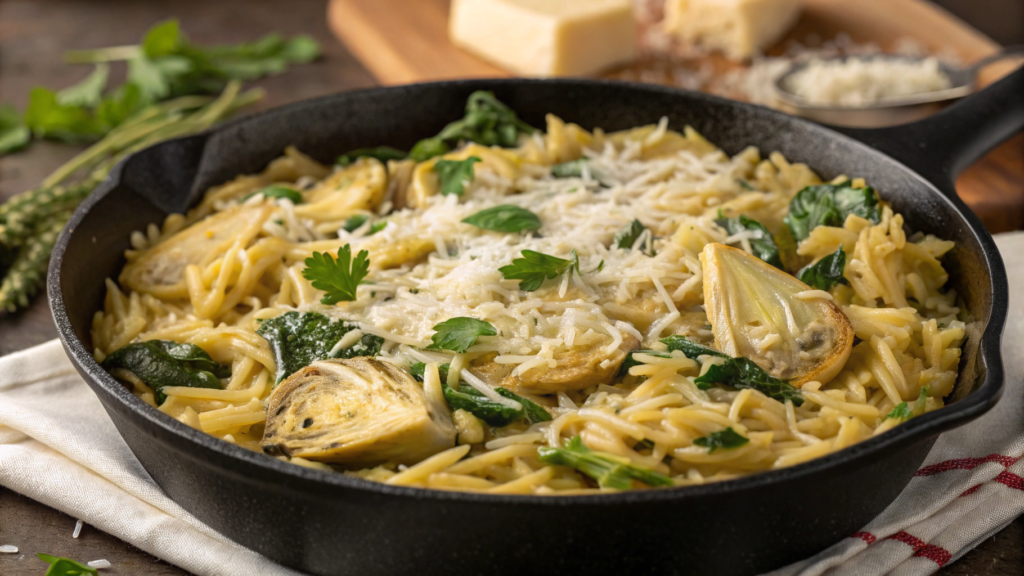
This dish often reminds people of the famous spinach artichoke dip that’s usually served as an appetizer. But here it turns into a complete dinner. The pasta absorbs the creamy sauce, the spinach adds freshness, and the artichokes bring a light tang that balances everything.
Sometimes recipes like this appear almost by accident. You have a jar of artichokes, a handful of fresh spinach, and a small pasta like orzo sitting in the pantry. Everything goes into one skillet with cream and cheese, and suddenly you end up with a dinner that feels far better than you expected.
Ingredients
For 4 servings, you’ll need:
- 1 cup orzo pasta (about 200 g)
- 1 tbsp olive oil
- 2 tbsp butter
- 2 garlic cloves
- 1 cup canned artichokes, chopped (about 150 g)
- 2 cups fresh spinach (about 60 g)
- 1 cup chicken or vegetable broth (240 ml)
- ½ cup heavy cream (120 ml)
- ¾ cup grated parmesan
- ½ tsp dried oregano
- salt and black pepper to taste
For this recipe, it helps to use a good-quality small pasta. Something like DeLallo Orzo Pasta works well because it holds its shape and cooks evenly.
How to Cook
- Start the aromatic base.
Heat olive oil and butter in a deep skillet over medium heat. When the butter melts and starts to gently bubble, add the minced garlic. Cook for about 30–40 seconds, stirring constantly so the garlic becomes fragrant but doesn’t brown. - Brown the artichokes.
Add the chopped artichokes. If the pieces are large, cut them into smaller chunks beforehand. Cook for 2–3 minutes, stirring occasionally. A light browning helps bring out a deeper flavor. - Add the orzo.
Pour the orzo pasta directly into the skillet and stir well with the butter and artichokes. Let it toast for about 1 minute so the pasta lightly coats in oil. This step helps create a creamier final texture. - Add broth and cook the pasta.
Pour in the broth, then add oregano, salt, and black pepper. Stir and reduce the heat slightly. Cook for 9–10 minutes, stirring occasionally. The orzo will slowly absorb the liquid and soften. - Add the creamy ingredients.
Once the orzo is almost cooked, pour in the heavy cream and add the grated parmesan. Stir well. The sauce will begin to thicken and turn creamy. - Add the spinach.
Place the fresh spinach into the skillet and gently fold it into the pasta. Within 1–2 minutes, the leaves will shrink and soften. - Adjust the texture.
Taste the dish and adjust salt and pepper if needed. If the sauce becomes too thick, add a couple of spoonfuls of hot broth. Stir once more so the sauce coats the pasta evenly.
How to Make the Dish Even Better
In this recipe, the orzo cooks directly in the sauce, so it absorbs the flavor of the broth and cream. Lightly browning the artichokes makes their flavor richer. One more small detail: add the spinach at the very end, so it stays soft and bright green.
Serving
After cooking, let the skillet rest for a couple of minutes so the sauce thickens slightly.
Before serving, you can add:
- extra grated parmesan
- a pinch of freshly ground black pepper
- a little lemon zest
- a fresh green salad on the side
- slices of toasted bread
This pasta turns out creamy, comforting, and full of flavor, yet it comes together surprisingly quickly.
Final Thoughts
In the kitchen, many great dinners come down to simple ingredients, a good sauce, and a little time on the stove or in the oven. That’s why recipes like these often become part of a regular home menu.
One evening it might be a creamy wild rice soup, another night a pasta with melted mozzarella, and on another day a large skillet of orzo with spinach and artichokes.
Meals like this make it easy to gather friends and family around the table without spending hours in the kitchen. A big casserole dish, a pot of soup, or a skillet full of pasta often makes dinner feel simpler and more relaxed.If you try one of these recipes, it would be great to hear which one you liked the most. Share it in the comments — those recommendations often help other readers decide where to start.