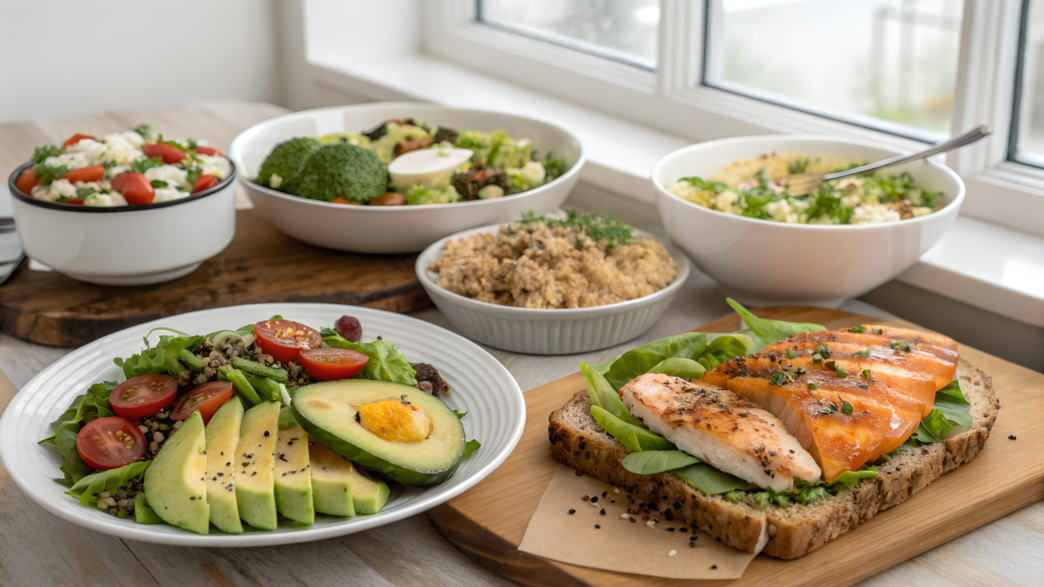
When you’re diagnosed with gestational diabetes, food stops being just “healthy” or “tasty.” It becomes a strategy. Every meal is a balance — you want to feel full, not guilty, and you definitely don’t want to turn your kitchen into a medical lab.
I know what it’s like — looking at your plate and thinking not just about flavor, but about your glucose meter. That’s why I’ve pulled together these 10 recipes. They’ve been tested and truly work for women with gestational diabetes — if you cook them right.
These meals help you figure out what your body needs, what keeps you satisfied, what won’t spike your sugar — and what gives you steady energy. No sad diet food here, no hidden sugars, no complicated systems. Just simple, warm meals you can actually trust.
1. Chicken Stir Fry with Broccoli and Sesame Oil
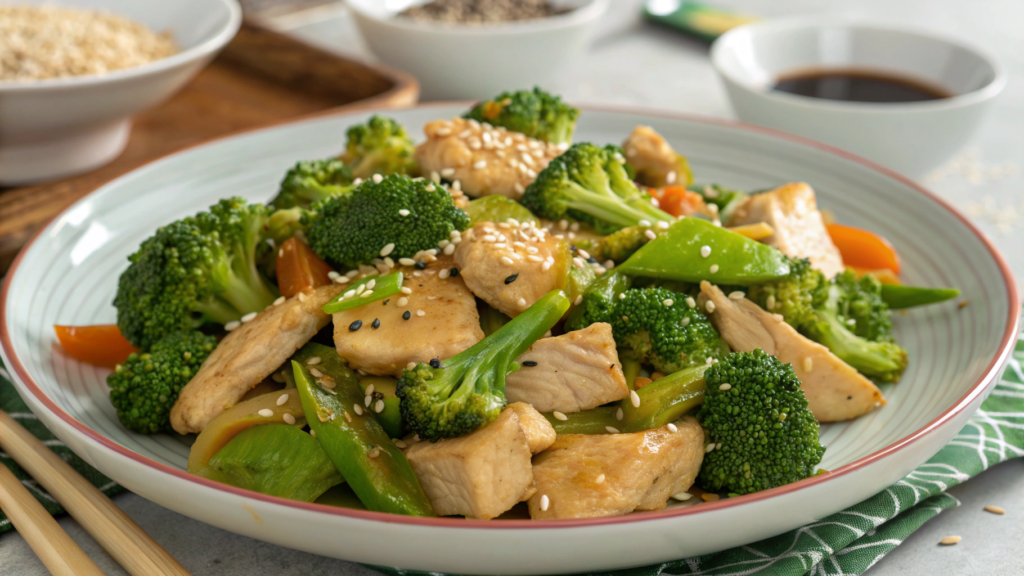
When you’re living with gestational diabetes, dinner isn’t just about taste. It’s a tool, support. It’s a way to take care of yourself — without sugar crashes and without constantly feeling hungry.
That’s why meals like this chicken stir fry with broccoli are such lifesavers. Everything here is balanced: lean chicken for protein, broccoli for fiber, sesame oil for healthy fat — and not a gram of added sugar.
And the best part? It’s actually delicious. A rich, satisfying dinner that won’t send your glucose through the roof. In fact, studies published in Frontiers in Nutrition and Diabetes Care in 2024 confirmed that having protein and fiber at the beginning of your meal helps lower post-meal blood sugar levels for women with GDM.
What you’ll need:
- 1 lb chicken breast (about 450 g), cut into small cubes
- 2 tbsp low-sodium soy sauce
- 1 tbsp sesame oil
- 2 cloves garlic, minced
- 1 tsp fresh grated ginger (or ½ tsp dried)
- 1 medium head broccoli (about 3 cups / 250 g florets)
- 1 sweet bell pepper, cut into thin strips
- 1 tsp cornstarch (optional — to thicken the sauce)
- 2 tbsp water
- Chopped green onion and sesame seeds for topping
How to make it:
- Start by prepping everything: cut the chicken into small cubes, break the broccoli into medium florets, and slice the pepper into thin strips. Once that’s done, cooking will go fast.
- Heat a wok or large pan over medium heat. Add the sesame oil — it instantly releases that warm, nutty aroma that makes your kitchen smell like a great little takeout spot.
- Add the chicken. Let it sear until golden, about 5–6 minutes. Don’t stir too early — give it 2–3 minutes untouched so it develops that delicious crust. Transfer to a separate bowl once done.
- In the same pan, toss in the garlic and ginger. Just 30 seconds — enough to bring out their aroma.
- Add the broccoli and pepper. Stir-fry for about 3–4 minutes — the veggies should soften but still keep a little crunch.
- Add the chicken back in. Pour in the soy sauce, and if you want a thicker glaze, mix cornstarch with water, pour it in, and stir.
- Let everything simmer for another minute to bring the flavors together and make that sauce shiny and rich.
I usually serve this as-is, or with a spoonful of quinoa on the side — but not always. Most of the time, just in a bowl, topped with green onions and a sprinkle of sesame seeds. The flavor is bold, savory-sweet, with a little smoky edge from the sesame oil. And you don’t feel heavy afterward.
This isn’t just dinner. It’s a fast, glucose-friendly way to feed yourself without derailing your day. And flavor? Still the star. The sesame oil gives it that signature restaurant-style aroma, and the broccoli stays bright and packed with nutrients.
Also — double the recipe and you’ve got easy leftovers that’ll keep in the fridge for up to 3 days.
2. Veggie Egg Scramble with Spinach and Avocado
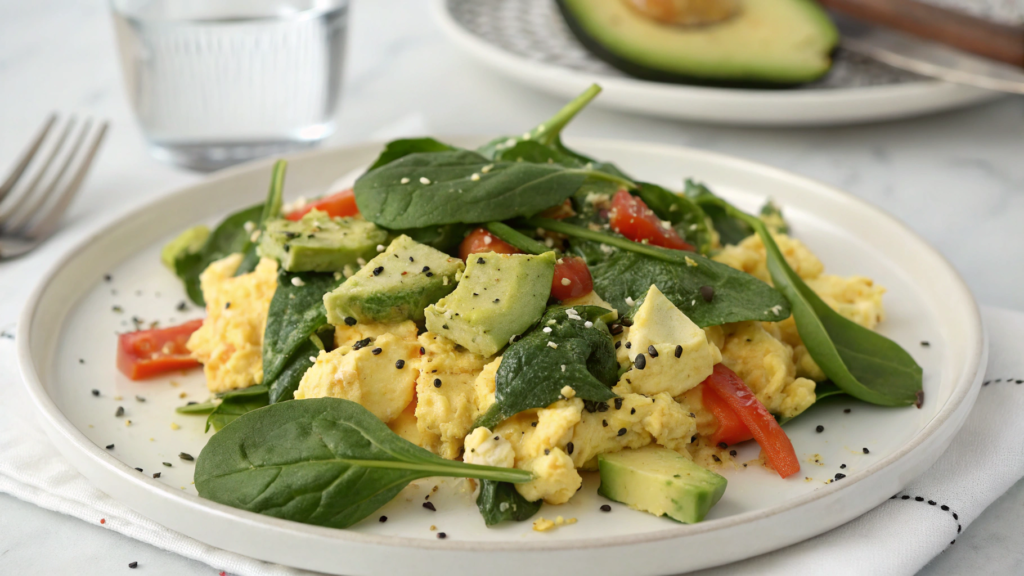
Let’s talk about breakfast. With gestational diabetes, it’s not just your first meal — it’s your first chance to keep your blood sugar steady for the day. And, honestly? Also the first chance to mess it all up. Especially if your hand automatically reaches for toast or something sweet.
According to Frontiers in Nutrition, a breakfast with eggs, spinach, and avocado helps smooth out blood sugar spikes after meals. Thanks to a smart combo of protein, fiber, and healthy fats — all coming together in a single pan. You really can feel the difference, especially during the first trimester.
What you’ll need:
- 2 eggs (add a third egg white if you want extra protein)
- 1 tsp olive oil or avocado oil
- ½ cup fresh spinach (a good handful)
- ¼ sweet bell pepper, finely chopped
- ¼ zucchini, diced
- ¼ avocado, sliced
- Pinch of salt and pepper
- Optional: a few slices of green onion
How to make it:
- Set a nonstick skillet over medium heat. Add a small splash of oil — I usually go with olive or avocado oil, which holds heat well and gives a nice soft flavor.
- Start with the veggies. Toss in the bell pepper and zucchini. Sauté for a couple minutes, just until they soften slightly but still have a bit of crunch.
- Add the spinach. It’ll start to wilt right away — give it a quick stir so it doesn’t stick.
- Pour in the beaten eggs. I like to let them sit for a few seconds so the edges start to set, then gently stir them to keep the texture soft and fluffy.
- As soon as the eggs are just cooked through (don’t overdo it!), pull the pan off the heat.
- For the final touch, lay your avocado slices on top. Add a little salt and pepper if you want.
I use this kind of nonstick pan from Amazon — honestly, the eggs never stick.
Sometimes I’ll spoon a little Greek yogurt on top. If I want some crunch, I’ll add a couple cucumber slices on the side. Adds fiber and makes the plate feel fresh and pretty.
No blood sugar drama. Just calm, steady energy — in 10 minutes flat.
3. Crockpot Chicken Stew with Cauliflower and Carrots
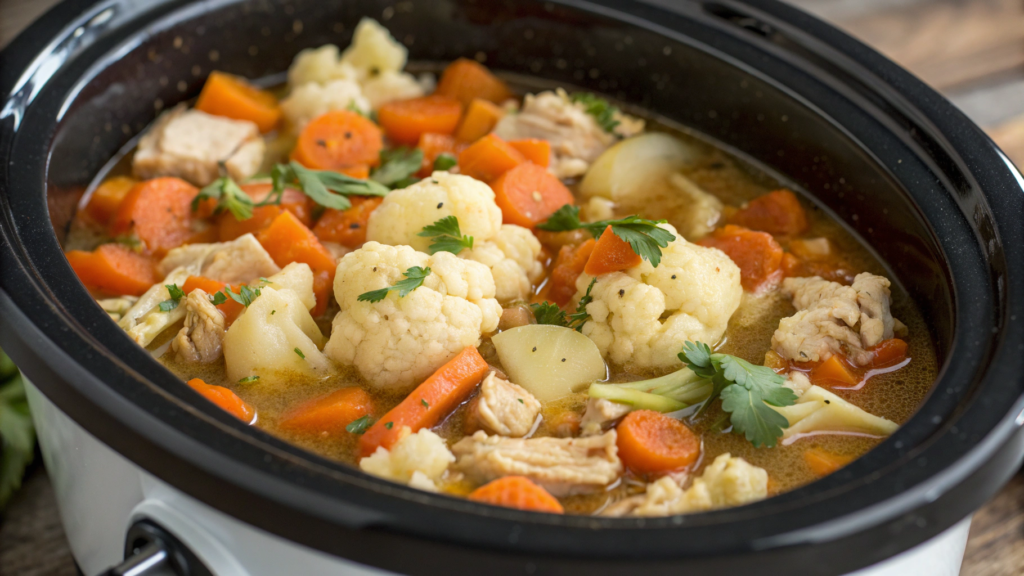
With gestational diabetes, you have to think not just about eating — but about not overloading your body, staying energized through the day, and not feeling like you’re stuck on a joyless diet.
That’s why this chicken stew with cauliflower and carrots works especially well for women in the second and third trimesters — when the body becomes more sensitive to sudden sugar spikes and there’s less time and energy to cook. It’s hearty, warm, totally sugar-free and low-carb. And it basically cooks itself — in the slow cooker. The flavor? Like it simmered all day in a big pot with care and patience.
What you’ll need:
- 1.5 lb (680 g) boneless skinless chicken thighs (you can use breast, but thighs add more flavor)
- 3 cups cauliflower florets
- 2 medium carrots, sliced into half-moons
- 1 small onion, chopped
- 2 cloves garlic, minced
- 1 tsp thyme (dried or fresh)
- ½ tsp paprika
- 3 cups chicken broth (go for a low-sodium organic one like this)
- Salt and pepper to taste
- Optional: 1 bay leaf, chopped celery
How to make it:
- Chop everything ahead of time — it’ll take about 10 minutes, and then the slow cooker handles the rest.
- Layer the chicken into the crockpot first. Add the veggies on top.
- In a small bowl, mix the broth with garlic and spices, then pour over the contents. Gently lift the veggies a bit so the liquid spreads evenly.
- Set to low for 6–7 hours, or high for about 4 hours — it really depends on your crockpot and how your day’s going.
- About 15 minutes before it’s done, you can shred the chicken right in the pot with a fork — it’ll be super tender by then. Give it all a quick stir.
I serve this just as it is — in a deep bowl, warm and brothy. If I want it more filling, I’ll add a scoop of cauliflower “rice” (just pulsed in a blender or grated).
The texture is soft and cozy. The cauliflower soaks up that chicken broth, the carrots add sweetness, and the garlic and thyme give it that rich, slow-cooked aroma — like it came out of a real clay oven.
An ideal dinner with zero stress. Truly — just set it and forget it. And everything in here supports steady blood sugar: chicken, veggies, no starch, no sugar. Just simple, filling, and easy on the body.
4. Zucchini Noodles with Turkey Meatballs
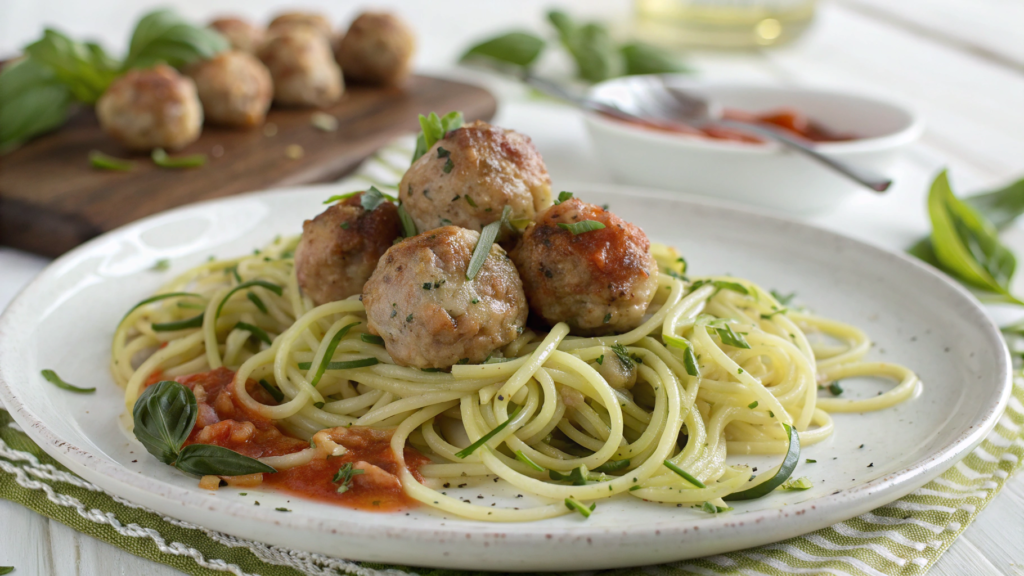
When you’re figuring out how to replace pasta with something that’s both tasty and safe for gestational diabetes, the answer is almost always the same: zucchini noodles. They’re lighter, don’t leave you sleepy after eating, and you won’t feel guilty about your choice.
Add to that some tender turkey meatballs, and you’ve got that perfect dinner — the kind that leaves your glucose monitor calm and your belly full. It’s all ready in 30 minutes, and yes — it’s actually good.
What you’ll need:
Noodles:
- 2 medium zucchinis, spiralized or shredded into long strips
- 1 tsp olive oil
- 1 clove garlic, minced
- Pinch of salt
Meatballs:
- 1 lb (450 g) ground turkey
- 1 small egg
- ¼ cup almond flour
- 1 tsp dried oregano
- ½ tsp salt
- Black pepper, to taste
- Optional: pinch of garlic powder and basil
Serving:
- A few spoonfuls of unsweetened tomato sauce or homemade marinara
- A few fresh basil leaves
How to make it:
- Start with the meatballs. In a large bowl, combine the turkey, egg, almond flour, and spices. Mix just until combined — don’t overdo it.
- Wet your hands and roll into balls about the size of a walnut. I usually get around 15–18 pieces.
- Preheat the oven to 375°F (190°C). Line a baking sheet with parchment or a silicone mat. Bake for 20 minutes, until golden and firm.
- While the meatballs are baking, prep the noodles. Zucchini cooks quickly, so keep your skillet ready over medium heat.
- Add olive oil and garlic to the pan — sauté for 30 seconds until fragrant.
- Toss in the zucchini noodles. Use tongs to stir and sauté for 2–3 minutes, just until they’re soft but not mushy. Add a pinch of salt.
When the meatballs are ready, plate them right on top of the zucchini noodles. Spoon over some tomato sauce, add a few basil leaves, and if you’d like — sprinkle with a bit of grated cheese.
And there you are — bowl in your hands, still warm, with that comforting aroma of garlic and tomatoes rising up…
And you know — nothing in this dish is unnecessary. Everything is where it should be — in taste and in balance.
It’s all there: protein, veggies, barely any carbs, and absolutely no sugar. It’s light, it’s filling, and it keeps your numbers right where you want them.
5. Greek Yogurt Parfait with Chia and Berries
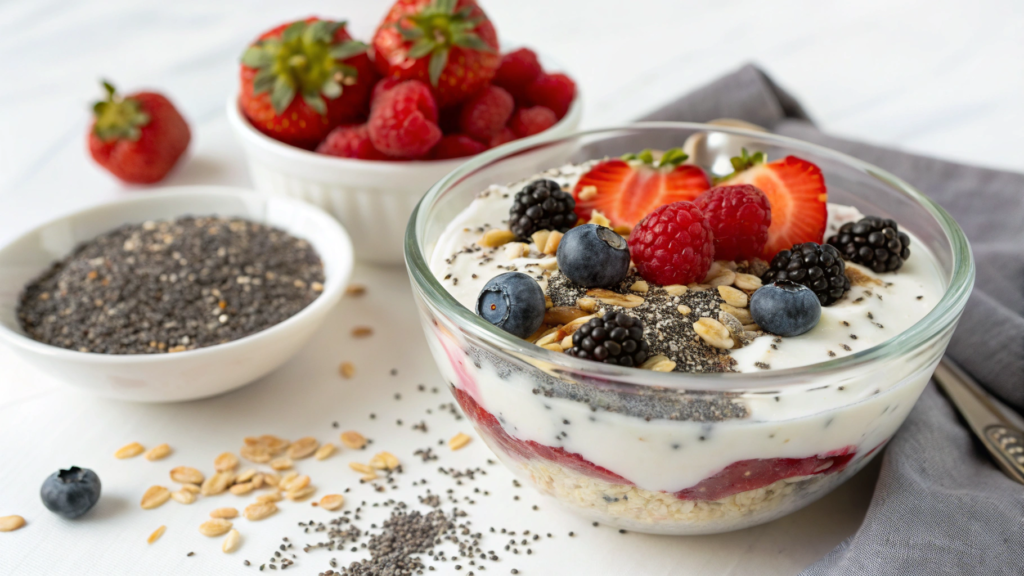
When you’re craving something totally off-limits — like ice cream, pastries, or those sugar-loaded yogurts — pause and remember this: a Greek yogurt parfait with chia seeds and berries can be just as satisfying, without sending your blood sugar off the rails. It feels like a treat. And you deserve that.
What you’ll need (1 serving):
- ¾ cup (170 g) plain Greek yogurt (look for 2–5% fat, no added sugar)
- 1 tbsp chia seeds
- ½ cup fresh berries (blueberries, raspberries, strawberries — anything works)
- Optional: ½ tsp cinnamon
- ½ tsp vanilla extract and/or ¼ tsp monk fruit or stevia (natural sweeteners with zero glycemic load)
- Optional toppings: chopped nuts or shredded coconut for crunch
How to make it:
- In a bowl, mix yogurt, chia seeds, vanilla, and your sweetener of choice. Stir and let sit for 5–10 minutes so the chia starts to soak up moisture. (If you’ve got time, leave it for 30 — even better.)
- Grab a glass or jar. Spoon a few tablespoons of the yogurt mix into the bottom.
- Add a layer of berries. Then more yogurt. Then more berries.
- Top it off with cinnamon, nuts, or coconut — whatever adds that little cozy crunch to your spoon.
- Eat right away, or seal and chill it in the fridge. After an hour, it gets even better as the chia thickens it up just right.
I always use one of those chubby, nostalgic spoons, the kind that feels like childhood. And I eat it slow. The yogurt’s cold, the berries are tart, the chia adds texture, and the nuts give just enough crunch.
It’s simple, but that’s the beauty. No sugar crashes. No weird ingredients. Just yogurt, berries, chia — clean, calming, and designed to support your body.
Bonus: According to the Harvard T.H. Chan School of Public Health, chia seeds combined with protein and fiber help slow down carb absorption and keep blood sugar stable. And Greek yogurt? One of the best protein sources you can have during gestational diabetes — especially the unsweetened kind.
6. Grilled Chicken Salad with Olive Oil Vinaigrette
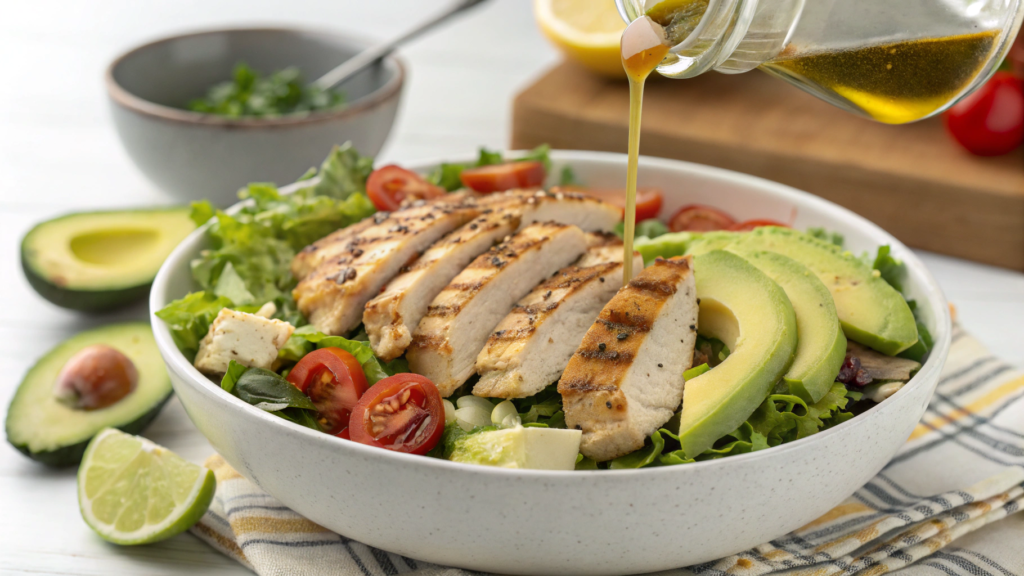
When you’ve got gestational diabetes, lunch needs to be nutrient-dense — full of protein, fiber, healthy fats, and — most importantly — no hidden sugars or fast carbs.
This grilled chicken salad with olive oil vinaigrette is a tried-and-true way to keep your glucose levels stable without feeling like you’re “on a diet.” In this one bowl, you’ve got everything that works for you and your baby: lean protein, good fats from the oil and avocado, and low-GI veggies.
What you’ll need (for 1 big serving):
- 1 chicken breast (5–6 oz / ~150–180 g)
- 1 tsp olive oil + a little extra for the grill
- Salt, pepper, and a pinch of paprika or garlic powder
- 2 cups of mixed greens (arugula, romaine, spinach — pick what you like)
- ½ cucumber, sliced into half-moons
- ¼ sweet bell pepper, thinly sliced
- ¼ avocado, cubed
- Optional: a few slices of radish or green onion
For the vinaigrette (makes 2 portions):
- 2 tbsp olive oil
- 1 tbsp apple cider vinegar or lemon juice
- ½ tsp Dijon mustard
- A pinch of salt and pepper
- Optional: a bit of dried Italian herbs or cumin
How to make it:
- Drizzle the chicken breast with olive oil, season it with salt, pepper, and spices. Let it sit for 5–10 minutes while you prep the salad.
- Heat a grill pan (or a ridged skillet). Grill the chicken for 5–6 minutes per side until it’s golden and fully cooked. Let it rest, then slice it.
- In a bowl, toss the greens, cucumber, pepper, avocado, and everything else you’ve prepped.
- In a small jar or bowl, whisk the vinaigrette ingredients with a fork until it’s nicely emulsified.
Assemble everything into a deep bowl so each bite gets a bit of everything — warm chicken, crunchy veggies, creamy avocado. Top with a crack of fresh pepper. Spoon or fork — totally your call.
This salad gives you peace of mind: steady blood sugar, happy baby, and no post-meal crash. Nothing extra here — just what actually helps: protein, fiber, and fats that digest slowly and don’t overwhelm your system.
7. Lentil curry with cauliflower rice
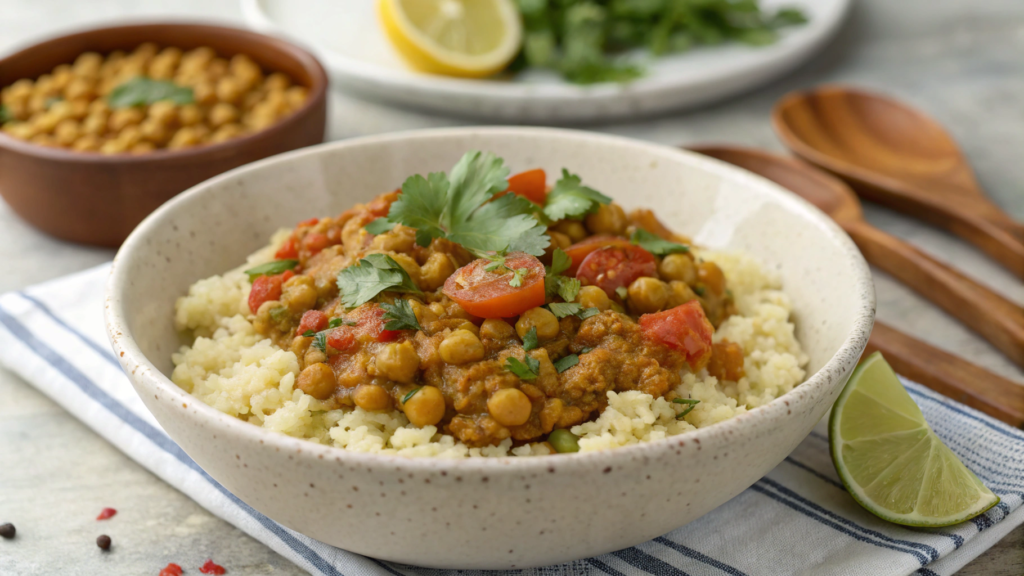
When you have gestational diabetes, dishes like curry raise some questions. Can you have legumes? What about rice? And spices?
Yes. Yes. But done right.
This lentil curry is gentle in ingredients, rich in flavor — and it fits perfectly into a GD-friendly diet. We’re swapping regular rice for finely grated cauliflower, which won’t spike your blood sugar. And instead of heavy cream or thickening agents, we’re using veggies, spices, and tomatoes.
Lentils, by the way, are one of the few legumes with a low glycemic index, and they’re packed with protein and iron, which is especially important in the second and third trimesters.
What you’ll need (for 2 servings):
For the curry:
- ½ cup red lentils
- 1 small onion, finely chopped
- 1 garlic clove, minced
- ½ tsp freshly grated ginger
- 1 tsp curry powder
- ½ tsp turmeric
- ½ tsp paprika
- 1 tbsp tomato paste
- 1.5 cups vegetable broth
- 1 tsp olive oil
For the “rice”:
- 2 cups cauliflower, grated or pulsed in a blender
- Pinch of salt and ½ tsp coconut oil (optional)
How to make it:
- Rinse the lentils until the water runs clear. This helps remove bitterness and shortens cooking time.
- In a saucepan, heat the olive oil. Sauté the onion, garlic, and ginger for 2–3 minutes until soft. Stir in the spices, breathe in the aroma as it blooms.
- Stir in the tomato paste, then immediately add the lentils and broth. Bring to a boil, reduce heat, and simmer for 15–20 minutes, until the lentils are soft and beginning to break down.
Pro tip. Want a creamier texture? Mash half of the lentils with a spoon right in the pot.
- While the curry cooks, prepare the “rice.” Toss the grated cauliflower into a dry skillet, sprinkle with salt, add a drop of oil, and cook for 5–6 minutes, stirring often. It should stay a little crisp — not mushy.
Spoon the cauliflower rice into a bowl and top with the hot curry. Add a spoon of unsweetened yogurt or a sprinkle of fresh cilantro if you want a cooling touch.
This meal is filling but not heavy. It’s warm and flavorful, but without sugar, fast carbs, or any surprises on your glucose meter. Especially comforting on a cool evening when you crave something cozy and safe.
Everything here supports your health: lentils, fiber, spices, calcium, and iron — all in a gentle form that nourishes instead of stressing your body.
8. Almond flour pancakes with nut butter
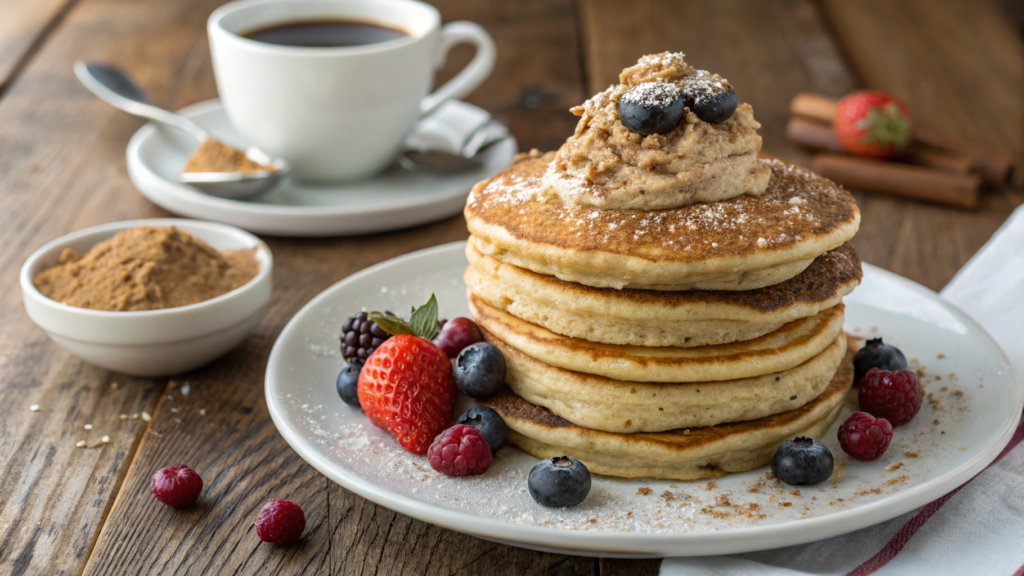
If you’ve searched for “gestational diabetes breakfast ideas,” you’ve probably seen the usual advice:
“No pancakes. No waffles. Forget about anything fluffy.”
But that’s not true. You absolutely can — if you switch up the base.
Almond flour isn’t just a substitute for wheat. It’s low-carb, high in protein and healthy fats, and — most importantly — it won’t spike your blood sugar when you balance the rest of the plate. Add a spoon of sugar-free nut butter and you’ve got yourself a real comfort breakfast.
This meal is filling, keeps you satisfied for hours, and makes you feel like you’re not missing out — just making smart choices.
What you’ll need (for 1 serving / 3 small pancakes):
- ¼ cup (25 g) almond flour
- 1 egg
- 1 tbsp unsweetened Greek yogurt
- ½ tsp vanilla extract
- ½ tsp baking powder
- Pinch of cinnamon (optional)
- A little oil for frying (I use avocado oil spray, like this one)
To serve:
- 1 tsp nut butter (almond or hazelnut, no added sugar)
- A few slices of strawberries or blueberries — max ¼ cup
How to make it:
- Whisk the egg, yogurt, and vanilla in a small bowl. Add the almond flour, baking powder, and cinnamon. Stir well — the batter will be thick and slightly grainy.
- Heat a non-stick skillet over medium heat. Lightly grease it.
- Scoop out 1–2 tbsp of batter per pancake. Cook for 2–3 minutes per side. Don’t flip too early — wait for bubbles to form.
Note. Almond pancakes are more delicate than wheat ones. Flip gently — a thin spatula works best.
I plate them up warm, top with a spoon of creamy nut butter, a couple of berries, and a sprinkle of cinnamon.
This isn’t dessert. It’s a simple but nourishing breakfast where everything is designed to support balance: almond flour for fats and protein, yogurt for a touch of acidity, and just a hint of sweetness from the berries — within limits.
This is breakfast that keeps your blood sugar steady while still making you smile.
9. Baked egg muffins with veggies

When gestational diabetes changes how you eat, your first meal of the day becomes critical.
Breakfast has to do more than just be quick — it has to steady you, fill you up, and not spike your sugar.
That’s why baked egg muffins with veggies are such a smart choice. They’re packed with protein, healthy fats, and fiber — and zero fast carbs.
You get something warm and satisfying that you can prep ahead and just reheat in the morning — no 6 a.m. cooking required.
What you’ll need (for 6 muffins):
- 4 eggs
- 2 tbsp unsweetened Greek yogurt or milk (optional)
- ½ cup finely chopped spinach
- ¼ cup finely chopped sweet bell pepper
- ¼ cup grated zucchini or finely chopped broccoli
- ¼ cup shredded cheese (like cheddar or mozzarella — no additives)
- Salt and pepper to taste
- A little oil or cooking spray for the pan
How to make them:
- Preheat the oven to 350°F (180°C).
- In a bowl, whisk the eggs with yogurt or milk. Season with salt and pepper.
- Gently fold in the veggies and cheese. Don’t overmix — keep it light and airy.
- Grease a muffin tin (or use silicone molds like these) and pour the mixture in, filling about ¾ of each cup.
- Bake for 20–25 minutes until the muffins puff up and turn golden.
Let them cool slightly before removing — they’re delicate while hot.
They’re best served warm — with a spoon of Greek yogurt or a slice of avocado on the side.
One muffin makes a quick snack. Two? A calm, balanced breakfast. Three? A solid meal that’ll keep you stable if your morning starts at 6 a.m. and you’ve got a long stretch ahead.
They keep in the fridge for up to 3 days — so you always have something safe, nourishing, and ready to go.
You’re not just eating. You’re caring for yourself. Every ingredient here was chosen with your body’s needs in mind. Everything digests gently, supports glucose control, and keeps things steady — so you can start your day calm and confident.
10. Spaghetti Squash Lasagna Bowls
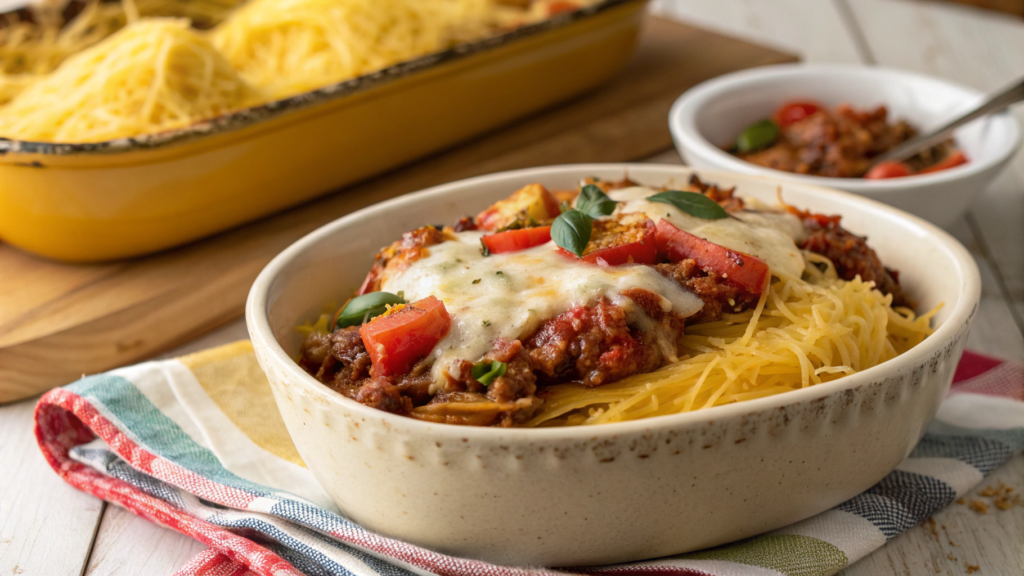
“Lasagna with gestational diabetes” sounds like a punchline, right? Traditional versions are full of pasta, béchamel, and fast carbs — and that means sugar spikes.
But everything changes when you start with spaghetti squash.
It’s a natural veggie that turns into long, tender strands after baking — like noodles, but without the flour or glucose overload.
Now add some lean meat sauce, a bit of cheese, a handful of veggies — and you’ve got a warm, comforting bowl of lasagna that won’t weigh you down or send your sugar soaring.
What you’ll need (for 2 servings):
- 1 small spaghetti squash
- ½ lb (220 g) ground turkey or chicken
- ½ cup unsweetened diced tomatoes (or no-sugar tomato purée)
- 1 small garlic clove, minced
- ¼ cup finely chopped bell pepper
- 1 tsp olive oil
- ½ tsp Italian seasoning
- ¼ cup shredded mozzarella or sheep’s milk cheese
- Salt and pepper to taste
How to make it:
- Preheat the oven to 400°F (200°C).
Slice the squash in half lengthwise, scoop out the seeds, drizzle with olive oil, and sprinkle with salt. - Place cut side down on a baking sheet and bake for 35 minutes, until the flesh pulls into strands with a fork.
- While that’s baking, make the meat sauce:
- Sauté the ground meat with garlic over medium heat until cooked through.
- Add bell pepper, tomatoes, herbs, salt, and pepper.
- Let it simmer 5–10 minutes until thickened.
- Sauté the ground meat with garlic over medium heat until cooked through.
- Once the squash is ready, shred the inside into strands with a fork — but leave it inside the skin. That’s your “bowl.”
- Top with meat sauce and sprinkle with cheese.
Return to the oven for 5 more minutes, until the cheese melts.
Can’t find fresh spaghetti squash? Look for it frozen in strands. And for baking, a non-stick dish makes cleanup easier.
Serve it right in the squash half — it’s beautiful on the plate, easy to eat, and 100% safe and satisfying.
Each bite gives you protein, veggies, healthy fats, and fiber.
No pasta. No sugar. Just comfort, balance, and the confidence that you’re giving your body exactly what it needs.
This isn’t a showy meal. It’s real life
When you’re pregnant and learning to eat with GDM, your plate needs to feel calm, taste good, and make sense. It’s a lot at first — but you’ve got this.
When your meal includes protein, fiber, healthy fats, and zero junk, your blood sugar thanks you. And you don’t feel like you’re missing out — because you’re not.If you try any of these recipes, I’d love to hear how it went. Tell me what worked, what you changed, what flavors felt right.
Because eating with GDM isn’t punishment — it’s a recalibration. And yes, it can be delicious.