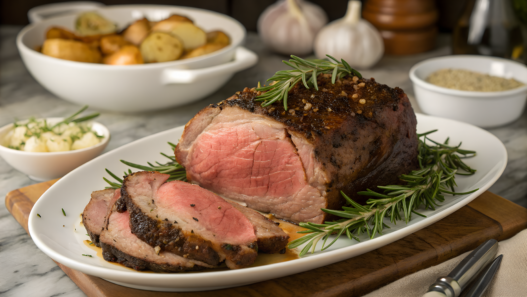
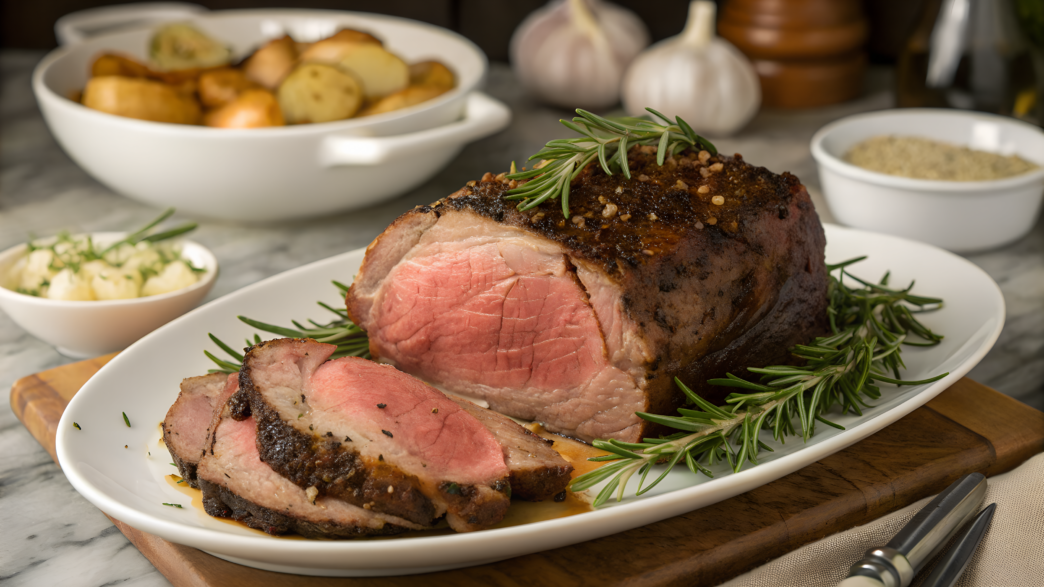
Oven prime rib recipes look difficult mainly because of the size of the cut and how much it costs. But the process itself is pretty straightforward. You need to prepare the meat properly, keep an eye on its internal temperature, and avoid slicing it right after it comes out of the oven.
Here I want to share 10 ways to cook prime rib, both bone-in and boneless, using slow roasting, high heat, and other methods. Some recipes are suitable for beginners, while others are made for Christmas or a big family dinner.
I always try to use a meat thermometer while cooking. Time gives you a general idea, but the temperature is what shows how well the center has heated through.
1. Classic Prime Rib Roast Oven 500 Degrees Method
Prime rib is valued for the combination of a well-browned crust and a pink center. That is exactly why this method is used: the meat first gets a blast of high heat and then slowly finishes cooking in the oven after it has been turned off.
It may seem a little risky. After all, heating the oven to 500°F (260°C), then simply turning it off and leaving everything alone is not the most familiar approach. But the method is pretty straightforward if you know the exact weight of the meat, avoid opening the oven door unnecessarily, and always check the temperature in the center of the cut.
For this method, it is best to use a bone-in prime rib weighing about 5 pounds (2.3 kg). The bones protect the bottom from getting too much direct heat.
What You’ll Need
- 1 bone-in prime rib weighing 5 pounds (about 2.3 kg);
- 2 tablespoons softened unsalted butter;
- 1 tablespoon coarse salt;
- 2 teaspoons freshly ground black pepper;
- 1 teaspoon garlic powder;
- 1 teaspoon dried thyme;
- ½ teaspoon dried rosemary.
A thermometer is genuinely necessary for a cut like this. Prime rib is not cheap, and you really do not want to slice into it halfway through cooking just to check the color. A ThermoPro TP19H Digital Meat Thermometer will work well. Insert the probe into the thickest part of the meat without touching the bone.
How to Cook Prime Rib at 500°F
- Take the meat out of the refrigerator ahead of time. Place the prime rib in a roasting pan with the bones facing down and leave it at room temperature for about 1½–2 hours. A very cold center will heat more slowly, so the cooking-time calculation may be inaccurate. Do not leave raw meat outside the refrigerator for more than two hours.
- Dry the surface well. Pat the meat on all sides with paper towels. A crust forms less effectively on a damp surface because the meat starts releasing steam before it begins to brown.
- Make the seasoning mixture. Combine the softened butter, salt, black pepper, garlic powder, thyme, and rosemary. The mixture should spread easily over the surface without running off.
- Rub the prime rib. Spread the seasoned butter over the top and sides of the meat. There is no need to apply a thick layer to the bottom resting on the bones. Smooth out any large lumps of butter so they do not start burning too early.
- Calculate the cooking time. Multiply the exact weight of the meat in pounds by 5 minutes. A 5-pound cut will need 25 minutes. If the meat weighs 5.4 pounds, it should roast for 27 minutes.
- Preheat the oven to 500°F (260°C). Wait until it has fully reached the temperature. Place the roasting pan on the middle rack and cook the meat for exactly the number of minutes you calculated. The temperature really is very high, but it is what creates a firm, browned crust.
- Turn off the oven and do not open the door. Once the calculated time is up, turn the heat off completely. Leave the prime rib inside for another 2 hours. Do not open the oven even briefly, or the hot air and the heat that keeps the meat cooking will escape.
- Check the temperature in the center. After two hours, insert the thermometer into the thickest part of the meat without touching the bone. According to the official recommendation from the United States Department of Agriculture, the safe internal temperature for a whole cut of beef is 145°F (63°C). Then transfer the meat to a cutting board and let it rest for at least three minutes before slicing.
If the temperature is below 145°F (63°C), turn the oven on to 375°F (190°C) and cook the meat for another 5–10 minutes. Then check the temperature again in the thickest part. You should not judge doneness by the color of the center alone.
Transfer the cooked prime rib to a large cutting board and leave it for 15–20 minutes. Then run a knife along the bones, remove them in one piece, and slice the meat across the grain into slices that are not too thin.
Tip. Do not throw away the juices left in the bottom of the roasting pan. Remove the excess fat, add a little hot beef broth, and scrape up all the browned bits with a wooden spoon. You will get a very flavorful sauce to serve with the meat.
I do not cook prime rib often, and that is probably why I pay a little more attention to it each time than I would to a regular dinner. It is better not to rush here, to calculate everything ahead of time, and to give the meat as much time as it needs. Then you can calmly slice it at the table without thinking that an expensive cut of meat went into the oven for nothing.
2. Bone-In Prime Rib with Crispy Herb Crust
With a bone-in prime rib with a crispy herb crust, the most important part is on the outside. A mixture of rosemary, thyme, garlic, and coarse salt dries in the oven, blends with the rendered fat, and turns into a firm, fragrant crust. Inside, the meat stays tender and pink.
The main thing is not to apply the herbs to wet meat and not to rush the slicing. These two small details make a noticeable difference in the final result.
I choose a bone-in prime rib weighing about 6 pounds (2.7 kg) with an even layer of fat on top. As it roasts, the fat will slowly melt and keep the herbs from drying out too quickly.
What You’ll Need
- 1 bone-in prime rib weighing 6 pounds (about 2.7 kg);
- 3 tablespoons olive oil;
- 4 garlic cloves;
- 2 tablespoons finely chopped fresh rosemary;
- 1½ tablespoons fresh thyme leaves;
- 1 tablespoon coarse salt;
- 2 teaspoons freshly ground black pepper;
- 1 teaspoon mustard powder.
How to Make Prime Rib with an Herb Crust
- Prepare the meat ahead of time. Take the prime rib out of the refrigerator about 1½ hours before roasting. Place it bone-side down in a heavy roasting pan. During this time, the surface will warm slightly, and the meat will cook more evenly inside.
- Dry the prime rib. Thoroughly pat the top and sides with paper towels. This is an important step. Oil and herbs do not stick well to a damp surface, and instead of a crispy crust, you get a soft layer of seasoning.
- Make the herb mixture. Finely chop the garlic, rosemary, and thyme. Mix them with the olive oil, salt, black pepper, and mustard powder. You should get a thick, moist paste that is easy to spread with your hands.
- Cover the meat with the seasoning. Rub the mixture over the top and sides of the meat, gently pressing the herbs into the surface. There is no need to apply a thick layer to the bottom or the exposed ends of the bones. The more evenly the mixture is spread, the more evenly it will brown.
- Start with high heat. Preheat the oven to 450°F (230°C). Place the meat on the middle rack and roast for 20 minutes. During this time, the fat will begin to render, and the herb layer will set on the surface.
- Lower the heat. Reduce the temperature to 325°F (165°C) without removing the pan from the oven. Continue roasting for about 1 hour 20 minutes to 1 hour 40 minutes. The exact time depends on the thickness of the meat and your oven, so it is better to rely on a thermometer.
- Check the temperature in the center. Insert the probe into the thickest part of the meat without touching the bone. According to the recommendation from the United States Department of Agriculture, the internal temperature of a whole cut of beef should reach 145°F (63°C). Once the thermometer shows the correct temperature, remove the prime rib from the oven.
- Let the meat rest. Transfer the prime rib to a cutting board and loosely cover it with foil. Leave it for 15–20 minutes. Do not press the foil against the crust, or the trapped steam will make the herbs soft.
Then separate the meat from the bones by running a knife along them, and slice it across the grain. I try not to make the slices too thin, because each piece should keep a noticeable strip of the crispy rosemary, thyme, and garlic crust.
Tip. If the top starts getting too dark before the meat reaches the correct temperature, cover only the darkest area with a small piece of foil. Do not cover the whole cut of meat, or the crust will turn soft.
There is always someone who asks for a piece from the edge, where there are more herbs and browned fat. That is why I usually do not place the first and last slices on the serving platter right away. Sometimes the cook deserves a small advantage too, right? Especially after spending an hour and a half watching the thermometer.
3. Boneless Prime Rib with Buttery Garlic Finish
In this recipe, the main focus is not only the meat itself but also the buttery garlic mixture added to the prime rib near the end of cooking. The butter has time to melt, the garlic warms through, and the surface gets extra flavor and a nice shine.
I like making boneless prime rib because it is easy to slice into even pieces. You do not have to work around the ribs with a knife or figure out how to divide a large cut before serving. But boneless meat does not have natural support, so it is better to tie it with kitchen twine. This helps it keep an even shape and cook more evenly.
What You’ll Need
- 1 boneless prime rib weighing 4–5 pounds (1.8–2.3 kg);
- 1½ tablespoons olive oil;
- 1 tablespoon coarse salt;
- 2 teaspoons freshly ground black pepper;
- 1 teaspoon onion powder;
- ½ teaspoon dried thyme.
For the garlic butter mixture, you will need the following:
- 4 tablespoons unsalted butter;
- 4 garlic cloves;
- 1 tablespoon finely chopped parsley;
- ½ teaspoon salt;
- ¼ teaspoon black pepper.
If the meat was not tied when you bought it, you will need cotton kitchen twine. Do not use regular synthetic string because it may melt at high temperatures.
How to Cook Boneless Prime Rib
- Prepare the meat. Take the prime rib out of the refrigerator about 1–1½ hours before cooking. Pat it thoroughly with paper towels. The drier the surface is, the better it will brown in the oven.
- Tie the meat with twine. Make several loops at even intervals. Do not tighten them too much. The twine should help the meat hold its shape, not cut deeply into it.
- Add the first seasonings. Coat the meat with olive oil. Mix the salt, black pepper, onion powder, and thyme, then spread the seasonings over the entire surface. Gently press them in with your hands.
- Start roasting. Preheat the oven to 450°F (230°C). Place the prime rib fat-side up on a rack set inside a roasting pan. Roast for 15 minutes so the surface begins to brown.
- Lower the temperature. Reduce the heat to 325°F (165°C). Continue cooking the meat for about 1–1½ hours. The exact time depends on the weight and thickness of the cut, so use the thermometer reading as your guide.
- Make the garlic butter mixture. Mix the softened butter with the finely chopped garlic, parsley, salt, and black pepper. It is better to chop the garlic with a knife instead of turning it into a wet paste so it does not burn.
- Add the garlic butter. When the temperature in the center of the meat gets close to 135°F (57°C), take the roasting pan out of the oven. Quickly spread the garlic butter over the top and sides of the prime rib.
- Finish cooking. Return the meat to the oven for another 10–15 minutes. Insert the thermometer into the thickest part, avoiding large pockets of fat. According to the recommendation from the United States Department of Agriculture, the internal temperature of a whole cut of beef should reach 145°F (63°C). Once the thermometer shows the correct temperature, remove the prime rib from the oven.
Transfer the meat to a cutting board and loosely cover it with foil for 15–20 minutes before slicing. Then remove the kitchen twine and slice the prime rib across the grain.
Tip. You can set aside part of the garlic butter mixture and add a little to the hot slices before serving. The butter will slowly melt right on the meat. Just make sure to use a clean portion of the mixture that did not come into contact with the raw prime rib.
I always feel a little nervous before cutting into a large piece of beef. You can see the crust on the outside, but the center remains a mystery until the very end. That is why I rely completely on the thermometer here. It has saved a good dinner more than once from an unnecessary extra fifteen minutes in the oven.
4. Slow-Roasted Prime Rib with Au Jus
With slow-roasted prime rib, the meat heats more evenly. The edges do not have time to overcook too much while the heat reaches the center, so the meat stays pink through almost the entire thickness. Only a thin, more cooked layer forms on the outside.
The meat juices do not go to waste with this cooking method. While the prime rib rests after the oven, you can make a simple sauce from the beef drippings and broth left in the bottom of the pan. I usually keep it fairly light, without flour or cream. It does not overpower the flavor of the meat and soaks nicely into every slice.
For this recipe, use a bone-in prime rib weighing about 6 pounds (2.7 kg). The bones help keep the meat above the bottom of the pan, while the fat side on top slowly browns during cooking.
What You’ll Need
For the prime rib, you will need the following:
- 1 bone-in prime rib weighing 6 pounds (about 2.7 kg);
- 1½ tablespoons coarse salt;
- 2 teaspoons freshly ground black pepper;
- 1 teaspoon garlic powder;
- 1 teaspoon dried thyme;
- 1 tablespoon olive oil.
For the meat sauce, you will need the following:
- the juices and browned bits left in the pan;
- 2 cups beef broth (about 475 ml);
- ½ cup dry red wine (about 120 ml), optional;
- 1 teaspoon Worcestershire sauce;
- salt to taste;
- freshly ground black pepper to taste.
How to Make Slow-Roasted Prime Rib
- Salt the meat ahead of time. Pat the prime rib dry with paper towels and rub it with coarse salt. Place it on a rack over a plate and leave it uncovered in the refrigerator for 12–24 hours. The surface will dry slightly and brown better later.
- Add the seasonings. Take the meat out of the refrigerator about an hour before roasting. Mix the black pepper, garlic powder, and thyme. Coat the prime rib with olive oil, then spread the seasonings evenly over the top and sides.
- Prepare it for roasting. Place the prime rib in the pan with the bones facing down. You will not need a separate rack, and the juices and rendered fat will stay in the pan for making au jus. Insert the thermometer probe into the thickest part of the meat without touching the bone.
- Roast it slowly. Preheat the oven to 250°F (120°C). Cook the prime rib for about 3–4 hours, using the internal temperature as your main guide. Start watching the thermometer closely after about 2½ hours.
- Check for doneness. According to the recommendation from the United States Department of Agriculture, the internal temperature of a whole cut of beef should reach 145°F (63°C) before it is removed from the oven. Once the thermometer shows the correct temperature, transfer the prime rib to a cutting board.
- Let the meat rest before the final browning. Loosely cover the prime rib with foil and let it rest for 15–20 minutes. Do not wrap the meat tightly, or the surface will become damp. Make the sauce during this time.
- Make the au jus. Pour off almost all the fat from the pan, leaving about 1 tablespoon along with the browned bits. Add the wine and heat for 2–3 minutes, scraping everything from the bottom. Pour in the broth and Worcestershire sauce, then simmer uncovered for 10–15 minutes. Taste it and only then add salt.
- Brown the prime rib. Preheat the oven to 500°F (260°C) and return the meat to the oven for 5–8 minutes. Watch the surface so it browns well without letting the seasonings burn.
After the high-heat finish, wait a few minutes so the meat is easier to hold while slicing. Separate it from the bones by running a knife along them, then cut it into slices across the grain. It is better to pour the warm au jus next to the meat or onto the bottom of the plate so the browned crust does not turn soft.
Tip. If the sauce turns out too greasy, let it sit for a few minutes. The fat will rise to the top, and you can remove it with a spoon. I do not remove all of it because a small amount makes the flavor richer, but a thick oily layer is definitely not needed here.
This method takes several hours, but for most of that time the meat simply sits in the oven. I set a timer, work on the other dishes, and check the thermometer now and then. Once the prime rib has been sliced, I always save a little sauce for the next day. It works perfectly for hot sandwiches with the leftover meat, and sometimes they even make me hope the guests do not eat everything.
5. Christmas Prime Rib Roast with Rosemary Oil Rub
A Christmas prime rib roast immediately becomes the center of the holiday table. A large cut of meat is easy to divide into plenty of servings, it does not need complicated presentation, and it gives you enough time to work on the side dishes while it is in the oven.
Here, a few rosemary sprigs around the platter and some roasted potatoes on the side are enough to make the table look festive. The rosemary oil rub gives the meat a bold aroma without overpowering its natural flavor.
I prepare the rosemary mixture ahead of time in the morning, rub it over the meat, and return it to the refrigerator. Before the guests arrive, all that is left to do is put the roasting pan in the oven and keep an eye on the thermometer.
For this recipe, use a bone-in prime rib weighing about 7 pounds (3.2 kg). That amount is usually enough for about 8 people.
What You’ll Need
- 1 bone-in prime rib weighing 7 pounds (about 3.2 kg);
- 3 tablespoons olive oil;
- 2 tablespoons finely chopped fresh rosemary;
- 5 garlic cloves;
- 1 tablespoon coarse salt;
- 2 teaspoons freshly ground black pepper;
- 1 teaspoon finely grated orange zest;
- 1 teaspoon mustard powder.
How to Make Christmas Prime Rib
- Salt the meat the day before. Pat the prime rib dry with paper towels and rub the salt evenly over all sides. Place it on a rack over a baking sheet and leave it uncovered in the refrigerator overnight. The salt will have time to penetrate deeper, while the exposed surface will dry slightly and brown better in the oven.
- Make the rosemary oil. Finely chop the fresh rosemary and garlic. Mix them with the olive oil, black pepper, orange zest, and mustard powder. The mixture should be thick enough to stay on the meat instead of immediately running into the bottom of the roasting pan.
- Cover the meat with the mixture. Take the prime rib out of the refrigerator about 1 hour before cooking. Spread the rosemary oil over the top and sides, gently pressing the garlic and herbs into the surface with your fingers. There is no need to apply the mixture to the bones because the thin pieces of garlic on them may burn quickly.
- Start roasting over high heat. Preheat the oven to 450°F (230°C). Place the meat in the roasting pan with the bones facing down and the fat side facing up. Roast for 20 minutes so the top begins to brown and the rosemary sets on the surface.
- Lower the temperature. Reduce the heat to 325°F (165°C) without removing the roasting pan. Continue cooking for about 1 hour 40 minutes to 2 hours 10 minutes. The timing may vary, so start checking the internal temperature after about 1½ hours.
- Watch the center. Check the temperature in the center. Insert the thermometer into the thickest part of the meat without touching the bone. According to the recommendation from the United States Department of Agriculture, the internal temperature of a whole cut of beef should reach 145°F (63°C). Once the thermometer shows the correct temperature, remove the prime rib from the oven.
- Let the prime rib rest. Transfer the prime rib to a cutting board and loosely cover it with foil for 15–20 minutes. Do not press the foil against the surface so the rosemary and garlic do not turn soft.
After the meat has rested, run a knife along the bones and remove them. Slice the prime rib across the grain. Try to keep part of the rosemary crust on each slice.
Tip. If the garlic and rosemary start getting too dark, cover the top with a small sheet of foil. Do not cover the entire roasting pan or press the foil against the meat. It should only protect the surface from direct heat.
At one point, I used to make far too many dishes for a holiday dinner. In the end, the oven was full, the table was covered with bowls, and I kept checking the time because I was afraid I would not finish everything. Now I choose one main dish, and a large Christmas prime rib handles that role perfectly on its own.
6. Oven-Seared Prime Rib Recipe for Beginners
An oven-seared prime rib for beginners does not require complicated calculations or constant temperature changes. High heat quickly browns the meat on the outside first, after which it cooks gently at a lower temperature. This method is easy to control, and the risk of drying out the meat is noticeably lower.
I understand very well why cooking prime rib can feel difficult. The meat is expensive, the cut is large, and you cannot check the center just by looking at it. But here, you do not have to rely on luck. A good meat thermometer and a few simple steps make the whole process much more predictable.
For this recipe, use a boneless prime rib weighing about 4 pounds (1.8 kg). A smaller cut is easier to fit into the roasting pan, you will not need to turn it over, and it is easier to monitor the doneness.
What You’ll Need
- 1 boneless prime rib weighing 4 pounds (about 1.8 kg);
- 1½ tablespoons olive oil;
- 1 tablespoon coarse salt;
- 2 teaspoons freshly ground black pepper;
- 1½ teaspoons garlic powder;
- 1 teaspoon onion powder;
- 1 teaspoon dried thyme.
A thermometer with a heat-resistant probe is especially useful for beginners. You can leave it in the meat while it roasts and avoid opening the oven for every temperature check.
How to Cook Prime Rib for Beginners
- Let the meat warm slightly. Take the prime rib out of the refrigerator about 1 hour before cooking. Place it in the roasting pan and pat the surface dry with paper towels. You do not need to bring the meat completely to room temperature, but a very cold cut will take longer to cook.
- Add the oil and seasonings. Mix the salt, black pepper, garlic powder, onion powder, and thyme. Coat the prime rib with olive oil, then rub the mixture over all sides. The oil will help the dry seasonings stick to the surface.
- Place the meat in the roasting pan. Set a small rack inside the pan and place the prime rib on it with the fat side facing up. If you do not have a rack, make a base from several thick onion slices. The meat should not sit directly in the rendered fat.
- Sear the surface in the oven. Preheat the oven to 475°F (245°C). Place the roasting pan on the middle rack and cook the meat for 15 minutes. During this time, the top and sides will begin to brown. It is better not to open the oven door so the temperature does not drop.
- Lower the heat. Reduce the temperature to 325°F (165°C) while leaving the meat in the oven. Continue roasting for about 1–1¼ hours. Start checking the internal temperature after 50 minutes because the shape and thickness of the cut can noticeably affect the cooking time.
- Check the center with a thermometer. Insert the probe into the thickest part of the meat. It should not touch the roasting pan or sit inside a large pocket of fat. According to the recommendation from the United States Department of Agriculture, the internal temperature of a whole cut of beef should reach 145°F (63°C). Once the thermometer shows the correct temperature, remove the prime rib from the oven.
- Let the prime rib rest. Transfer the cooked meat to a cutting board and loosely cover it with foil for 5–20 minutes. The juices need time to redistribute inside, or a large amount of them will remain on the cutting board.
After the meat has rested, remove the kitchen twine if it was used and slice the prime rib into slices across the grain.
Tip. Check the temperature in two places near the end of cooking. One side of a large cut sometimes cooks faster than the other, especially if the oven heats unevenly.
The first time, I would not try to make a complicated sauce and three hot side dishes at the same time. It is better to focus on the meat, watch the temperature, and write down how much time your oven needed. The next time you make it, that small note will be more useful than any general calculation.
7. Pioneer Woman Style Prime Rib with Creamy Horseradish
Pioneer Woman style prime rib is perfect for a big family dinner with one main dish and simple serving. A large platter in the center of the table, hot potatoes on the side, a few sauces, and everyone builds their plate the way they like it. The creamy horseradish gives people an option if they want to add a little sharpness to the meat.
For this recipe, you will need a bone-in prime rib weighing about 6 pounds (2.7 kg). This is usually enough for 6–8 servings, depending on the thickness of the slices and the number of side dishes.
What You’ll Need
For the meat, you will need the following:
- 1 bone-in prime rib weighing 6 pounds (about 2.7 kg);
- 2 tablespoons olive oil;
- 1½ tablespoons coarse salt;
- 2 teaspoons freshly ground black pepper;
- 1½ teaspoons garlic powder;
- 1 teaspoon dried rosemary;
- 1 teaspoon dried thyme.
For the creamy sauce, you will need the following:
- ¾ cup sour cream (about 180 g);
- ¼ cup mayonnaise (about 60 g);
- 2 tablespoons prepared horseradish;
- 1 teaspoon Dijon mustard;
- 1 teaspoon lemon juice;
- ¼ teaspoon salt;
- ¼ teaspoon black pepper;
- 1 tablespoon finely chopped green onion.
How to Make Prime Rib with Creamy Horseradish
- Prepare the meat. Take the prime rib out of the refrigerator about 1½ hours before roasting. Place it in a roasting pan with the bones facing down and pat the surface dry with paper towels. Moisture prevents the meat from browning properly, so the top and sides should be dry.
- Add the seasonings. Mix the salt, black pepper, garlic powder, rosemary, and thyme. Coat the meat with olive oil, then rub the seasoning mixture evenly over the top and sides. Gently press it in with your hands so it does not fall off when you move the pan.
- Start with high heat. Preheat the oven to 475°F (245°C). Place the prime rib on the middle rack and roast for 20 minutes. During this time, the fat will begin to render, and the surface will brown noticeably.
- Continue roasting at a lower temperature. Reduce the heat to 325°F (165°C) without removing the meat. Roast for another 1½–2 hours. Start checking the temperature after 1 hour 15 minutes because thicker and narrower cuts cook at different speeds.
- Check for doneness. Insert the thermometer into the thickest part of the meat without touching the bone. According to the recommendation from the United States Department of Agriculture, the internal temperature of a whole cut of beef should reach 145°F (63°C). Once the thermometer shows the correct temperature, remove the prime rib from the oven.
- Make the creamy horseradish. While the meat is roasting, mix the sour cream, mayonnaise, horseradish, mustard, and lemon juice. Add the salt, black pepper, and green onion. Taste the sauce and add a little more horseradish if needed. Place it in the refrigerator.
- Let the prime rib rest. Transfer the cooked meat to a cutting board and loosely cover it with foil for 15–20 minutes. Do not press the foil against the crust, or it will turn soft.
After that, run a knife along the bones and remove them. Then slice the prime rib into slices across the grain. It is better to serve the creamy sauce separately so everyone can add as much as they like.
Tip. Make the sauce a few hours before dinner. It becomes thicker in the refrigerator, and the horseradish flavor spreads more evenly. Stir it before serving and add a little green onion on top.
The next day, I spread this sauce on bread, add a few thin slices of the leftover meat, and top it with a little onion. That is what I like about leftover prime rib: sometimes the second dinner turns out just as good as the first.
8. Medium Rare Prime Rib Roast in Simple Oven Steps
With medium rare prime rib, the center stays warm, juicy, and clearly pink, with a thin darker band around the edges. This is the level of doneness I prefer for a large cut of beef. The meat slices easily and stays juicy on the plate even after sitting for a while.
To get an even pink center, focus on the internal temperature of the meat, not only on the roasting time. Cuts with the same weight can have different thicknesses, so one may cook faster than another. That is why I use the clock only as a rough guide and make the final decision based on the thermometer.
For this recipe, you will need a bone-in prime rib weighing about 5 pounds (2.3 kg). That amount is usually enough for 5–6 generous servings with a side dish.
What You’ll Need
- 1 bone-in prime rib weighing 5 pounds (about 2.3 kg);
- 1½ tablespoons olive oil;
- 1 tablespoon coarse salt;
- 2 teaspoons freshly ground black pepper;
- 1½ teaspoons garlic powder;
- 1 teaspoon dried thyme;
- ½ teaspoon dried rosemary.
For proper medium rare doneness, you need a thermometer with a thin probe. It leaves only a small hole and gives a quick reading, so you do not have to keep the oven open for long.
How to Make Medium Rare Prime Rib
- Prepare the meat. Take the prime rib out of the refrigerator about 1–1½ hours before roasting. Place it in a roasting pan with the bones facing down and thoroughly pat the top and sides dry with paper towels. Seasonings stick better to a dry surface, and the crust browns more evenly.
- Rub the prime rib with seasonings. Mix the salt, black pepper, garlic powder, thyme, and rosemary. Coat the meat with a thin layer of olive oil, then spread the mixture over all sides except the bones. Gently press the seasonings in with your palms so they do not fall off.
- Start with high heat. Preheat the oven to 450°F (230°C). Place the roasting pan on the middle rack and cook the meat for 20 minutes. During this time, the top layer of fat will begin to render, and the surface will brown noticeably.
- Lower the temperature. Reduce the heat to 325°F (165°C) without removing the pan from the oven. Continue roasting the prime rib for about 1–1½ hours. Start watching the temperature after 50 minutes because the final few degrees can rise quite quickly.
- Check the thickest part. Insert the thermometer closer to the center of the meat without touching the bone or placing it inside a large pocket of fat. Check the temperature in one more spot if the cut has an uneven shape. This lowers the chance of accidentally measuring a hotter edge.
- Take the meat out at the right time. For medium rare prime rib with a pink center, remove it when the internal temperature reaches about 125–130°F (52–54°C). While the meat rests on the cutting board, the temperature inside will rise by a few more degrees. If you wait for the final temperature in the oven, the center may turn out more cooked than you wanted.
Keep in mind that this temperature range is below the official recommendation from the United States Department of Agriculture. For a whole cut of beef, the USDA recommends an internal temperature of 145°F (63°C) before removing it from the oven. At that temperature, the meat will be more cooked.
- Leave the prime rib on the cutting board. Loosely cover the meat with foil and let it rest for 25–30 minutes. During this time, the internal temperature will rise a little more, and less juice will run out when you slice it. Do not wrap the meat completely, or the steam will soften the browned surface.
After the meat has rested, separate it from the bones with a long, sharp knife and cut it into slices across the grain. If there is juice left on the cutting board, collect it with a spoon and pour it over the sliced meat before serving.
Tip. Serve medium rare prime rib with roasted potatoes, green beans, or Brussels sprouts. A simple horseradish sauce or the juices left in the roasting pan also work well with the meat.
I stopped judging doneness by the color on the outside or the number of minutes per pound a long time ago. One quick temperature check gives me much more confidence. And when the first cut reveals an even pink center, I can finally stop watching the oven and sit down at the table.
9. Prime Rib with Olive Oil & Black Pepper Crust
In this version, the natural flavor of the beef comes through especially clearly. There is no thick herb mixture, sweet glaze, or heavy sauce here. Just a well-browned surface and a generous layer of freshly ground black pepper.
When you buy a good cut of meat, there is no need to cover up its flavor with a large amount of seasoning. Olive oil and black pepper help create a dark crust, while the salt does the rest of the work.
For this recipe, you will need a bone-in prime rib weighing about 5 pounds (2.3 kg). Choose a cut with an even layer of fat on top. As it roasts, the fat will slowly melt and brown the surface.
What You’ll Need
- 1 bone-in prime rib weighing 5 pounds (about 2.3 kg);
- 2 tablespoons olive oil;
- 1 tablespoon coarse salt;
- 1 tablespoon coarsely ground black pepper;
- 1 teaspoon garlic powder.
For this recipe, it is better to grind the pepper right before cooking. Freshly ground peppercorns have a noticeably stronger aroma than pepper that has been sitting in an open package for a long time. The OXO Good Grips Contoured Mess-Free Pepper Grinder will work well.
How to Make Prime Rib with a Black Pepper Crust
- Prepare the meat. Take the prime rib out of the refrigerator about 1–1½ hours before roasting. Pat it dry on all sides with paper towels. Dry the top layer of fat especially well, or the oil and pepper may slide off.
- Grind the black pepper. The grind should be fairly coarse, but there should not be any whole peppercorns. Pepper that is too finely ground can burn quickly and taste bitter, while larger pieces will create a noticeable black pepper crust.
- Rub the meat. Coat the top and sides with olive oil. Mix the salt, black pepper, and garlic powder, then spread them evenly over the meat. Gently press the mixture in with your palms so it stays on the surface.
- Start roasting at a high temperature. Preheat the oven to 450°F (230°C). Place the meat in a roasting pan with the bones facing down and the fat side facing up. Roast for 20 minutes, until the surface becomes darker and the fat begins to sizzle noticeably.
- Lower the heat. Reduce the temperature to 325°F (165°C) without removing the pan from the oven. Continue cooking for about 1–1½ hours. After 50 minutes, start checking the temperature in the thickest part of the meat.
- Check for doneness. Insert the thermometer into the thickest part of the meat without touching the bone. According to the recommendation from the United States Department of Agriculture, the internal temperature of a whole cut of beef should reach 145°F (63°C). Once the thermometer shows the correct temperature, remove the prime rib from the oven.
- Let the prime rib rest. Transfer the meat to a cutting board and loosely cover it with foil for 15–20 minutes. Do not wrap it tightly, or the pepper crust may turn soft.
Once the meat has rested, separate it from the bones with a long, sharp knife and cut it into slices across the grain. Some of the pepper crust may fall off while slicing. I collect the pieces left on the cutting board and place them back on the meat before serving.
I used to be cautious with black pepper and added only a small amount. But with a large cut of beef, there is much more meat inside than seasoned surface. That is why a generous layer on the outside does not make the whole piece spicy. It simply gives every slice a well-seasoned edge.
10. High Heat Finish Prime Rib for Extra Juicy Slices
With this method, the prime rib spends most of the cooking time at a low temperature, and high heat is used only at the very end. This allows the meat to warm evenly inside while a dark, browned crust forms on the outside.
For this recipe, you will need a bone-in prime rib weighing about 6 pounds (2.7 kg). The bones act as a natural rack, so you can place the meat directly in the roasting pan without using a separate one.
What You’ll Need
- 1 bone-in prime rib weighing 6 pounds (about 2.7 kg);
- 1½ tablespoons coarse salt;
- 2 teaspoons freshly ground black pepper;
- 1½ teaspoons garlic powder;
- 1 teaspoon dried thyme;
- 1 tablespoon olive oil.
A thermometer with a heat-resistant probe is convenient for this method. It allows you to monitor the internal temperature without opening the oven.
How to Make Juicy Prime Rib with a High Heat Finish
- Salt the meat ahead of time. Pat the prime rib dry with paper towels and rub it with coarse salt. Place it on a rack over a baking sheet and leave it uncovered in the refrigerator for 12–24 hours. During this time, the surface will dry out and brown more quickly later.
- Add the remaining seasonings. Take the meat out of the refrigerator about an hour before cooking. Mix the black pepper, garlic powder, and thyme. Coat the prime rib with a thin layer of olive oil, then spread the seasonings evenly over the top and sides.
- Prepare the meat for the oven. Place the prime rib in a roasting pan with the bones facing down and the fat side facing up. Insert the thermometer probe into the thickest part of the meat. It should not touch the bone or sit entirely inside a layer of fat.
- Roast at a low temperature. Preheat the oven to 250°F (120°C). Cook the meat for about 3–4 hours. Start watching the thermometer closely after 2½ hours because the exact cooking time depends on the shape and thickness of the cut.
- Take the prime rib out a little early. For a pink center, remove the meat when the internal temperature reaches 120–125°F (49–52°C). While it rests, the temperature inside will rise by a few more degrees. If you keep the prime rib in the oven until it reaches the final temperature, the center may turn out more cooked.
- Let the meat rest on the cutting board. Loosely cover the prime rib with foil and let it rest for 30–45 minutes. During this time, you can finish the potatoes, vegetables, or sauce. Do not wrap the meat tightly, or the surface may become damp.
- Heat the oven to its highest setting. Set the temperature to 500°F (260°C) and wait until the oven is fully heated. Remove the foil and return the prime rib to the oven for 6–10 minutes. Watch the surface through the oven door. The fat should begin to sizzle, and the top should brown well.
- Slice the meat. After the high heat finish, let the prime rib rest for another 5–10 minutes. Then run a knife along the bones, separate the meat, and slice it across the grain into slices that are not too thin.
Tip. You can gently heat the juices from the bottom of the roasting pan with a little beef broth and serve them separately so everyone can add some to their plate.
I like this method for the combination of a tender center and a well-browned crust. Slow roasting helps the meat cook evenly, while the final blast of high heat makes the top browned and slightly crisp.
Your Perfect Result
Whichever method you choose, do not rush to slice the meat as soon as it comes out of the oven. Let it rest, work on the side dishes, and only then pick up the knife. This short pause helps keep more of the juices inside.
I would love to know which cooking method you liked the most. Write in the comments which level of doneness your family prefers and what you usually serve with the meat. I am always happy to get new side dish ideas, especially when they do not need the oven at the same time as the prime rib.